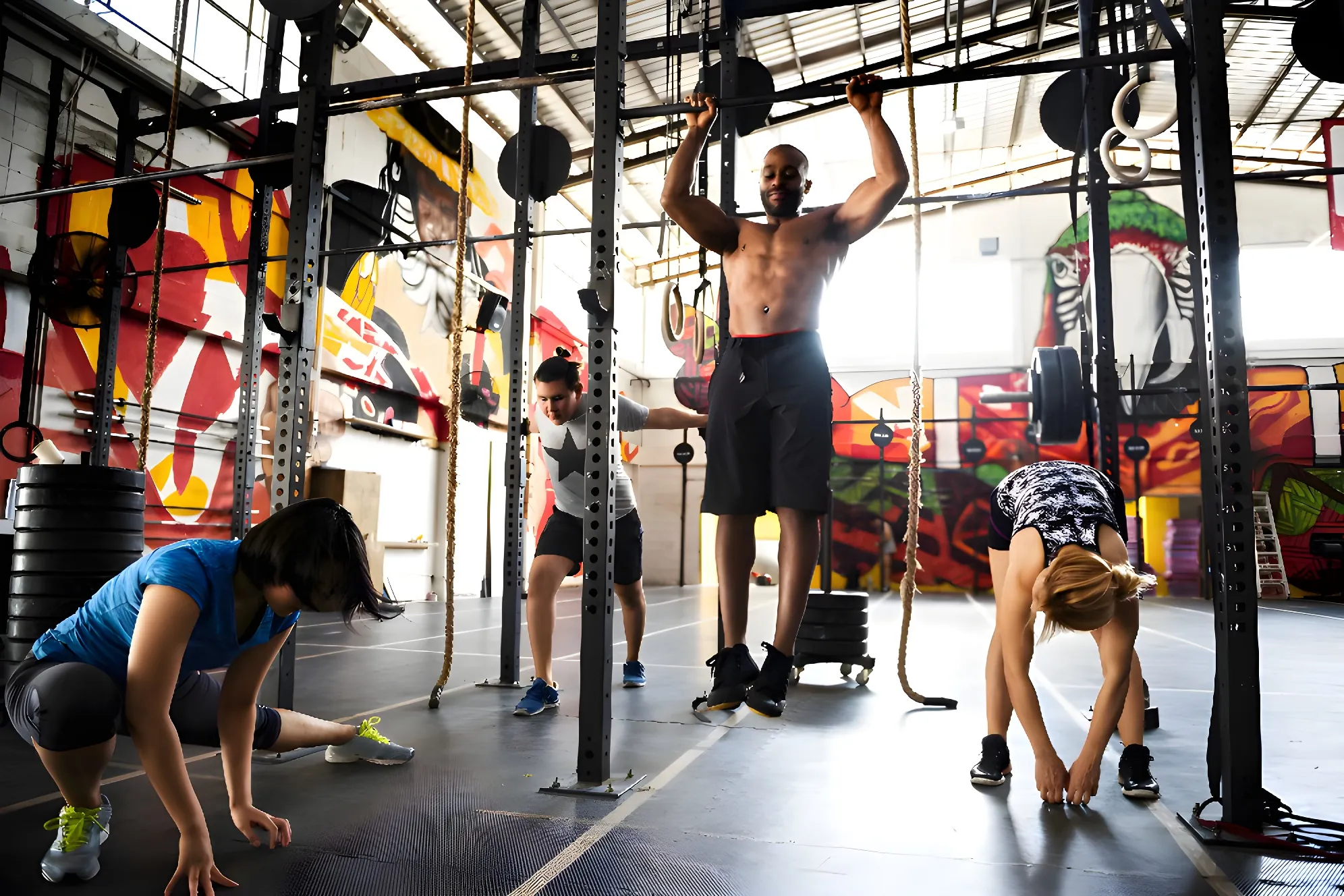
Gym Anxiety: Why Beginners Feel Intimidated
Discover why beginners feel intimidated at the gym, what causes gym anxiety, and how to build confidence, overcome fear of judgment, and enjoy working out.

Walking into a gym for the first time can feel surprisingly uncomfortable. You might see people lifting heavy weights, moving confidently between machines, or following workout routines that seem complicated. Meanwhile, you may be wondering where to start, whether you are using the equipment correctly, or if other people are watching you.
For many beginners, this feeling is more than ordinary nervousness. It can become a reason to postpone a workout, avoid certain areas of the gym, or give up on joining altogether. Even people who genuinely want to become stronger, improve their health, or build a consistent exercise routine may struggle to take that first step.
This experience is often described as gym anxiety. It can involve fear of judgment, uncertainty about exercise, discomfort in unfamiliar surroundings, or pressure to meet expectations about physical appearance and performance.
The good news is that feeling intimidated at the gym is common, and it does not mean you are unsuited to fitness. Understanding where these feelings come from can make them easier to manage. With a realistic plan, gradual exposure, and a little patience, beginners can develop confidence and start enjoying their workouts.
What Is Gym Anxiety?
Gym anxiety refers to feelings of nervousness, self-consciousness, or discomfort associated with exercising in a gym environment. It is not necessarily a clinical diagnosis, and the experience can vary considerably from one person to another.
Some people feel anxious before entering the building. Others are comfortable once they arrive but become nervous when they need to use unfamiliar equipment, ask a question, or exercise near more experienced members.
For example, a beginner might spend several minutes walking around the gym because they are unsure which machine to use. Another person might know exactly what their workout involves but worry that their technique will look awkward in front of others.
Common signs of gym anxiety include:
-
Feeling nervous before a scheduled workout.
-
Worrying that other people will judge your appearance or fitness level.
-
Avoiding free-weight areas because they seem intimidating.
-
Feeling embarrassed about asking how a machine works.
-
Comparing your body or strength with other gym members.
-
Spending too much time planning a workout because you fear making mistakes.
-
Skipping gym sessions despite wanting to exercise.
-
Feeling relieved when you cancel a workout, followed by frustration or disappointment.
Not everyone who experiences these feelings has an anxiety disorder. Starting something unfamiliar can naturally create uncertainty. However, if fear becomes intense, persistent, or begins interfering with everyday life, speaking with a qualified mental health professional may be helpful.
1. Fear of Being Judged by Other People
One of the biggest reasons beginners feel intimidated at the gym is the fear that other people are watching and judging them.
A new member might worry about looking inexperienced while adjusting a machine, lifting lighter weights, or learning an exercise. They may imagine that other gym members are paying attention to every mistake.
This concern can feel especially strong in areas with mirrors, free weights, or experienced lifters who appear confident in their routines.
For instance, someone learning to use a squat rack might worry that others will laugh if they need to lower the weight or ask for help. Because of that fear, they may avoid the exercise entirely, even when it is an appropriate part of their training plan.
In reality, most people are more focused on their own workouts than beginners realize. They may be counting repetitions, checking their technique, listening to music, or thinking about their next exercise.
That does not mean nobody ever notices other people. It simply means that being noticed is not the same as being judged.
A useful way to approach this fear is to shift your attention from how you appear to what you are doing. Instead of asking yourself, "Do I look like I belong here?" try focusing on a more practical question: "Am I learning how to perform this exercise safely?"
Your goal is not to impress everyone in the room. It is to make progress at your own pace.
2. Not Knowing How to Use Gym Equipment
Gym equipment can look confusing when you have never used it before. Machines have adjustable seats, handles, pins, weight stacks, and different movement patterns. Free weights require an understanding of exercise technique, balance, and appropriate loading.
When everyone around you seems to know exactly what they are doing, it is easy to feel that you should already understand everything.
This uncertainty can lead to practical problems. You might avoid a machine because you do not know how to adjust it, or spend your entire session using only the equipment you recognize.
The solution is not to learn every exercise before joining a gym. It is to make learning part of the process.
Start with a small selection of beginner-friendly movements. Ask a qualified gym trainer to demonstrate unfamiliar machines, including how to adjust them and how to select an appropriate starting resistance.
You can also prepare by watching reliable demonstrations before your workout. Pay attention to the machine setup, movement pattern, and common mistakes rather than simply copying the person in the video.
For example, if you plan to use a seated row machine, learn how to adjust the seat, position your feet, choose a manageable weight, and control the movement. Knowing these basic steps can make the first attempt feel much less intimidating.
You are not expected to know everything on your first day. Every experienced gym member once had to learn the basics.
3. Feeling Out of Place Around Experienced Lifters
Walking into a weight room filled with experienced lifters can make a beginner feel as though they have entered a private club with unwritten rules.
Some people move confidently between squat racks, load barbells without hesitation, and follow detailed training programs. By comparison, someone who is still learning the difference between a cable machine and a Smith machine may feel out of place.
This comparison can create the impression that the gym belongs to experienced athletes rather than people who are just starting.
However, a gym is designed for people at different stages of their fitness journeys. Some members are training for competitions, while others simply want to become more active, improve their health, or build strength for everyday activities.
You do not need to match someone else's experience to deserve a place in the gym.
It may help to remember that advanced lifters have their own challenges. They may be working through a plateau, recovering from a difficult training block, or trying to improve a specific aspect of their performance.
Their presence does not make your goals less important.
If the free-weight area feels intimidating, begin with exercises and equipment you understand, then gradually explore other areas as your confidence improves. You can also visit during quieter hours while learning the layout.
The aim is not to become comfortable with everything immediately. It is to become a little more familiar with the environment each time you visit.
4. Comparing Your Body With Other Gym Members
Gyms bring together people with different body types, training histories, and fitness goals. Some members have visibly developed muscles, while others are working toward weight loss, improved endurance, or general health.
For beginners, this variety can create pressure to look a certain way before feeling comfortable exercising.
Someone who wants to build muscle might feel discouraged when standing near a bodybuilder. A person beginning a weight-loss journey might compare themselves with someone who appears lean and athletic. These comparisons can make the gap between current circumstances and personal goals seem overwhelming.
Social media can intensify the problem. Fitness content often features carefully selected photographs, flattering lighting, posed physiques, and transformation stories that emphasize dramatic results.
When these images become the standard for comparison, ordinary progress may seem insignificant.
A healthier approach is to measure your fitness journey using changes that matter to you. These might include walking up stairs more comfortably, improving your stamina, increasing the weight you can lift with good technique, or attending workouts consistently.
For example, completing three workouts in a week may be a meaningful achievement for someone who previously struggled to exercise regularly.
Your starting point is not a measure of your worth, and your body does not need to look a particular way before you can begin working toward better fitness.
5. Worrying About Making Mistakes in Public
Many beginners are afraid of doing something incorrectly in front of other people.
They might worry about setting a machine incorrectly, choosing the wrong weight, performing an exercise awkwardly, or not knowing where to put equipment after use.
These concerns are understandable because gyms have their own routines and etiquette. However, trying to avoid every possible mistake can make exercising feel unnecessarily complicated.
In practice, learning involves asking questions, making adjustments, and becoming familiar with the environment. You may need to change the seat height on a machine, reduce the weight after your first set, or ask where a particular accessory belongs.
These are normal parts of training.
The key is to distinguish between a harmless learning mistake and a genuine safety concern. You do not need to feel embarrassed about unfamiliarity, but you should take time to learn how to use equipment correctly.
If you are unsure about a movement, pause and ask a qualified trainer rather than guessing with a heavy load.
You can also make your first few workouts simpler. Choose a manageable routine with a limited number of exercises, allowing you to focus on learning rather than remembering a complicated sequence.
As the basics become familiar, the gym will start to feel less like a place where mistakes are waiting to happen and more like a place where you can develop new skills.
6. Feeling Overwhelmed by Gym Culture
Modern gym culture can sometimes create the impression that everyone should be disciplined, confident, muscular, and completely knowledgeable about fitness.
Online videos may emphasize intense workouts, strict routines, impressive lifting numbers, or highly structured lifestyles. For someone who is just beginning, these portrayals can make ordinary exercise seem more demanding than it needs to be.
A beginner might believe they need special clothing, expensive supplements, a detailed nutrition plan, and an advanced workout split before they can take fitness seriously.
This can create unnecessary barriers.
In reality, a useful beginner routine can be relatively simple. Comfortable workout clothes, suitable footwear, a manageable plan, and access to appropriate equipment may be enough to get started.
You do not have to follow every fitness trend or adopt the habits of a professional athlete.
It is also important to recognize that the most visible parts of gym culture do not represent every member. Plenty of people train quietly, follow straightforward routines, and leave without documenting their workouts or discussing their progress online.
Choose an approach that fits your life. If you prefer simple strength sessions three times a week, there is no need to imitate someone who trains six days a week.
Fitness should become a sustainable part of your lifestyle, not another standard you feel pressured to meet.
7. Worrying About Your Fitness Level
Beginners sometimes believe they need to become fitter before joining a gym. They may feel that they should lose weight, improve their stamina, or develop basic strength at home before exercising around other people.
This belief can create a frustrating cycle: someone wants to become fitter, but they avoid the environment where they hoped to begin making progress.
A gym does not require a minimum level of fitness. People join for many different reasons, including building strength, improving cardiovascular health, increasing mobility, and developing a consistent exercise habit.
If you currently find exercise difficult, that simply means your routine should reflect your current ability.
For example, you might begin with 10 to 15 minutes of comfortable cardiovascular exercise followed by a few basic resistance exercises. Someone else may need shorter sessions or movements adapted to their mobility and health needs.
As your fitness improves, you can gradually adjust the duration, resistance, and difficulty of your workouts.
It is important to avoid treating exhaustion as a requirement for success. Your first sessions should help you learn how your body responds to exercise, not leave you feeling that you must survive every workout.
If you have a medical condition, significant physical limitations, or concerns about exercising safely, consider discussing an appropriate starting plan with a healthcare professional.
You are allowed to begin exactly where you are.
8. Not Knowing the Unwritten Rules of the Gym
Gym etiquette may seem obvious to experienced members, but beginners often have questions about the small details.
Should you ask before using a machine someone appears to be resting on? Where should you put dumbbells after finishing a set? Is it acceptable to use your phone between exercises? What should you do if you need help adjusting a bench?
Not knowing these unwritten rules can make a first visit feel more stressful.
Fortunately, most gym etiquette comes down to a few simple principles:
-
Wipe down equipment after use according to the gym's cleaning rules.
-
Return weights and accessories to their designated locations.
-
Avoid occupying several machines at once when others are waiting.
-
Respect personal space, particularly around people lifting heavy weights.
-
Keep phone use brief when other members need the equipment.
-
Ask politely before interrupting someone during a set.
-
Follow the facility's specific safety and equipment policies.
You do not need to memorize every possible situation before walking through the door.
Observe how the gym operates, read any posted instructions, and ask staff when you are unsure. Most practical questions can be answered quickly.
Learning gym etiquette can actually increase your confidence because it gives you a clearer idea of what to expect and how to behave in shared spaces.
9. Feeling Self-Conscious About Your Appearance
Gym anxiety is not always about exercise itself. Sometimes, the discomfort comes from worrying about how your body, clothing, or movements appear to other people.
You might feel uncomfortable wearing athletic clothing, using a mirror, sweating during exercise, or struggling to complete a movement. These feelings can be particularly strong if you have previously experienced criticism about your appearance or fitness level.
It can help to remember that exercise naturally involves physical effort. People sweat, breathe heavily, adjust their clothing, rest between sets, and sometimes struggle with challenging movements.
None of these things means you are doing something wrong.
Choose clothing that allows you to move comfortably and meets the gym's dress code. If mirrors make you self-conscious, position yourself where you can focus on the exercise without constantly checking your reflection.
You may also find it helpful to listen to music through headphones, provided you can still remain aware of your surroundings.
Most importantly, try not to make your comfort dependent on looking a certain way. You do not need a particular body type to use a treadmill, lift weights, or participate in a fitness class.
Your reason for being at the gym is enough.
10. Fear of Asking for Help
Some beginners avoid asking questions because they worry about appearing inexperienced or bothering other people.
They may attempt to adjust unfamiliar equipment themselves, copy another member's technique, or skip an exercise entirely rather than admit that they do not understand it.
Unfortunately, avoiding questions can make workouts more stressful and may lead to unsafe decisions.
Asking for help is a normal part of learning. Gym staff and qualified trainers can explain equipment settings, demonstrate exercises, and help you understand the facility's rules.
The way you ask can be simple and direct.
For example:
-
"Could you show me how to adjust this machine?"
-
"Is there a safe way to set up this exercise?"
-
"Could you explain how this cable attachment works?"
-
"Would you recommend a lighter starting weight while I learn the movement?"
You do not need to apologize repeatedly for being a beginner.
It is also important to recognize the limits of informal advice. Another gym member may be willing to help, but their experience does not necessarily mean they are qualified to assess your technique or give health-related recommendations.
When safety, exercise technique, or personal limitations are involved, a qualified professional is the better person to ask.
Each question you ask can make the next visit a little easier.
11. How Social Media Can Make Gym Anxiety Worse
Social media can encourage people to exercise, but it can also create unrealistic expectations about what a gym experience should look like.
Fitness videos often show people who already know their routines, use equipment confidently, and appear comfortable in front of a camera. Their mistakes, uncertainty, and ordinary training sessions may never make it into the final post.
A beginner who compares their first workout with an experienced creator's polished video may conclude that they are far behind.
There is also pressure to achieve visible results quickly. Transformation posts can make people believe that meaningful changes should happen within a few weeks, even though progress depends on factors such as training consistency, recovery, nutrition, genetics, and individual circumstances.
To reduce this pressure, be selective about the fitness content you consume.
Follow creators who demonstrate realistic routines, explain the learning process, and acknowledge that people have different starting points. Avoid accounts that consistently leave you feeling inadequate or suggest that one particular body type defines success.
You can also use social media more practically. Before your first gym visit, look up a basic explanation of the machines you intend to use or learn a few common gym etiquette rules.
Use online content to prepare for your workout, not to decide whether you are good enough to begin.
12. How to Overcome Gym Anxiety as a Beginner
Understanding gym anxiety is useful, but the real challenge is learning how to act even when some nervousness remains.
You do not have to wait until you feel completely confident. Confidence often develops through repeated experiences of doing something unfamiliar and discovering that you can manage it.
Here are several practical ways to make the process easier.
Start With Short, Manageable Workouts
Your first gym sessions do not need to last an hour or include a complicated training program.
Begin with a manageable amount of exercise that allows you to learn the environment without feeling overwhelmed. You might spend 20 to 30 minutes familiarizing yourself with a few machines, completing light cardio, and practicing basic movements.
The exact duration is less important than choosing a session that feels realistic for your current ability.
Once you become more comfortable, you can gradually expand your routine.
Visit During Quieter Hours
If crowded spaces make you nervous, consider visiting when the gym is less busy.
Early afternoons or other off-peak periods may offer more room to move and easier access to equipment, depending on the facility.
A quieter session can give you time to learn where everything is located, understand how machines work, and practice your routine without feeling rushed.
You can gradually try busier periods as your confidence improves.
Plan Your Workout Before Arriving
Uncertainty often makes anxiety worse. Walking into the gym without knowing what to do next can leave you feeling lost.
Prepare a simple workout plan in advance. Write down the exercises, approximate sets and repetitions, and equipment you intend to use.
For example, a beginner strength session might include a leg press, a chest press, a seated row, and a short period of comfortable cardio. The appropriate exercises and workload will depend on your abilities and goals.
Having a plan does not mean you must follow it perfectly. If a machine is occupied, you can move to another exercise or ask how long the person has left.
The purpose is to reduce unnecessary decisions and give yourself a clear starting point.
Learn Three or Four Exercises First
Trying to learn every machine at once can make your first visits unnecessarily complicated.
Instead, choose a small number of exercises that fit your goals and learn how to perform them safely.
For each exercise, understand how to set up the equipment, select a suitable resistance, perform the movement with control, and finish safely.
Once these movements become familiar, introduce additional exercises gradually.
A smaller routine that you understand is often more useful than a long list of exercises you feel nervous about performing.
Focus on Your Own Workout
When you enter the gym, it is easy to become distracted by other people's appearance, strength, and behavior.
Try to redirect your attention toward specific actions: completing your warm-up, checking your machine settings, recording your repetitions, or resting before your next set.
Headphones may help reduce distractions if you use them safely. A written workout plan can also give you something concrete to focus on.
If you notice yourself comparing your performance with someone else, remind yourself that you do not know their training history or goals.
Your workout is not a competition with the people around you.
Consider Training With a Friend or Qualified Trainer
Having someone accompany you can make your first visits feel more manageable.
A supportive friend can help you learn the layout, explain basic etiquette, and provide encouragement. However, choose someone who respects your pace rather than pressuring you to lift heavier or do more than you are ready for.
A qualified trainer can be particularly helpful if you are unsure about exercise technique or how to structure a beginner routine.
Even a small amount of instruction can remove several sources of uncertainty.
Over time, you may find that you no longer need the same level of support to feel comfortable training independently.
Set Small Goals You Can Control
Large goals, such as losing a substantial amount of weight or building significant muscle, can take time and may feel distant when you are just starting.
Instead, set goals related to actions you can control.
For example:
-
Visit the gym twice this week.
-
Learn how to adjust two unfamiliar machines.
-
Complete your planned warm-up.
-
Ask a trainer one question.
-
Follow a manageable routine for two consecutive weeks.
These goals provide opportunities to recognize progress before major physical changes occur.
Each successful visit can also help challenge the belief that the gym is a place where you do not belong.
Allow Yourself to Feel Uncomfortable at First
One of the most useful things to understand about gym anxiety is that nervousness does not have to disappear before you begin.
You might still feel awkward during your first few sessions. You may hesitate before entering the free-weight area or feel uncertain when another person is waiting for a machine.
That does not mean your attempt has failed.
Instead of expecting immediate confidence, focus on becoming more familiar with the environment. Repeat manageable activities, notice what becomes easier, and give yourself time to adjust.
If your anxiety is severe, leads you to avoid important activities, or does not improve despite your efforts, consider seeking support from a qualified mental health professional. You deserve help with persistent distress, just as you would with other challenges affecting your well-being.
13. What Should Your First Gym Session Look Like?
Having a clear idea of what to expect can make the first visit feel less intimidating. A simple structure helps you focus on learning rather than worrying about every detail.
Step 1: Get familiar with the gym
Check in, locate the changing area and water fountain, and ask staff where the equipment you need is located.
Step 2: Warm up gently
Spend a few minutes walking, cycling at an easy pace, or performing movements appropriate for your workout.
Step 3: Practice a few basic exercises
Choose two or three manageable movements and learn how to use the equipment safely. Ask for help when needed.
Step 4: Finish without rushing
Return equipment, wipe down the surfaces you used, and leave with a clear idea of what you learned for next time.
Your first session does not need to be physically demanding to be successful. Learning where things are and becoming comfortable with the environment are worthwhile achievements on their own.
14. How Long Does It Take to Feel Comfortable at the Gym?
There is no fixed timeline for overcoming gym anxiety. Some people feel more comfortable after a few visits, while others need several weeks or longer to settle into a routine.
The experience depends on several factors, including previous exercise experience, the gym environment, personal confidence, and the intensity of the anxiety.
It may also improve unevenly. You might feel comfortable using cardio machines but remain nervous around barbells. You could become familiar with the gym during quiet hours yet feel self-conscious when it is crowded.
That is normal. Confidence in one situation does not automatically mean every part of the gym will feel easy.
Rather than setting a deadline, look for gradual changes.
Perhaps you spend less time worrying before leaving home. Maybe you can find equipment without asking for directions, or you feel more comfortable adjusting a machine while other people are nearby.
These small improvements indicate that the environment is becoming more familiar.
Consistency can help, but it should not become another source of pressure. If you miss a session or have a difficult day, you can return when you are ready and continue building your routine.
15. When Gym Anxiety Needs Extra Support
For many beginners, gym anxiety decreases as they become familiar with exercise and the training environment. However, sometimes the fear is intense enough to interfere with daily life or prevent someone from participating in activities they value.
You may benefit from additional support if you repeatedly avoid exercise because of fear, experience overwhelming distress before entering a gym, or find that worries about judgment extend into other social situations.
A mental health professional can help you understand these feelings and explore appropriate strategies for managing them. Depending on your circumstances, this may involve working with anxious thoughts, gradually approaching feared situations, or addressing concerns about self-esteem and body image.
You do not need to wait until the problem becomes severe before seeking help.
There are also alternatives to a traditional gym. Home workouts, outdoor walking, swimming, group classes, or supervised exercise sessions may provide a more comfortable starting point while you work toward your goals.
The important thing is to find a way to stay active that respects your needs and abilities. Fitness should not require you to ignore significant emotional distress.
What's Your Reaction?