Gym Culture Around the World: What Makes Each Country Different?
Discover how gym culture differs around the world, from fitness trends in the United States to workout traditions in Japan, the UK, Brazil, and beyond.

Gym culture has become a global phenomenon, but the way people approach fitness can look very different depending on where they live. In some countries, the gym is a place to build muscle, improve athletic performance, and push physical limits. In others, exercise is closely connected to social life, mental well-being, outdoor activities, or long-standing cultural traditions.
From the bodybuilding-focused gyms of the United States to Japan's disciplined approach to movement and Brazil's energetic fitness scene, every country brings its own character to the world of exercise. Local lifestyles, climate, social expectations, available facilities, and popular sports all influence how people train.
Understanding gym culture around the world reveals that fitness is about much more than lifting weights or running on a treadmill. It reflects how different societies think about health, appearance, community, and personal improvement.
What Shapes Gym Culture in Different Countries?
Before comparing individual countries, it helps to understand why fitness habits vary from one place to another. Although social media has made workout trends more international, local traditions and everyday routines continue to influence how people exercise.
Several factors play an important role.
Lifestyle and daily routines: People with long working hours may prefer gyms that offer early-morning or late-night access. In countries where walking and cycling are common forms of transportation, everyday movement may also contribute significantly to physical activity.
Popular sports: A country with a strong weightlifting, football, martial arts, or endurance-sport tradition may develop fitness facilities and training programs around those activities.
Social expectations: In some communities, building muscle and achieving a visibly athletic physique are important motivations. Elsewhere, people may place greater emphasis on mobility, healthy aging, stress relief, or maintaining independence.
Climate and geography: Warm weather can encourage outdoor workouts, beach training, and running, while colder climates may make indoor fitness facilities especially attractive during winter.
Technology and social media: Fitness influencers, workout apps, wearable devices, and online training communities spread ideas across borders. However, people often adapt these trends to their own preferences and cultural environment.
These influences do not determine how every individual exercises, but they help explain why gym culture can feel different from one country to another.
Gym Culture in the United States: Personal Goals and Strength Training
The United States has a diverse fitness industry that includes large commercial gyms, specialist strength-training facilities, boutique studios, university recreation centers, and home workout spaces. For many people, fitness is closely connected to personal goals and measurable progress.
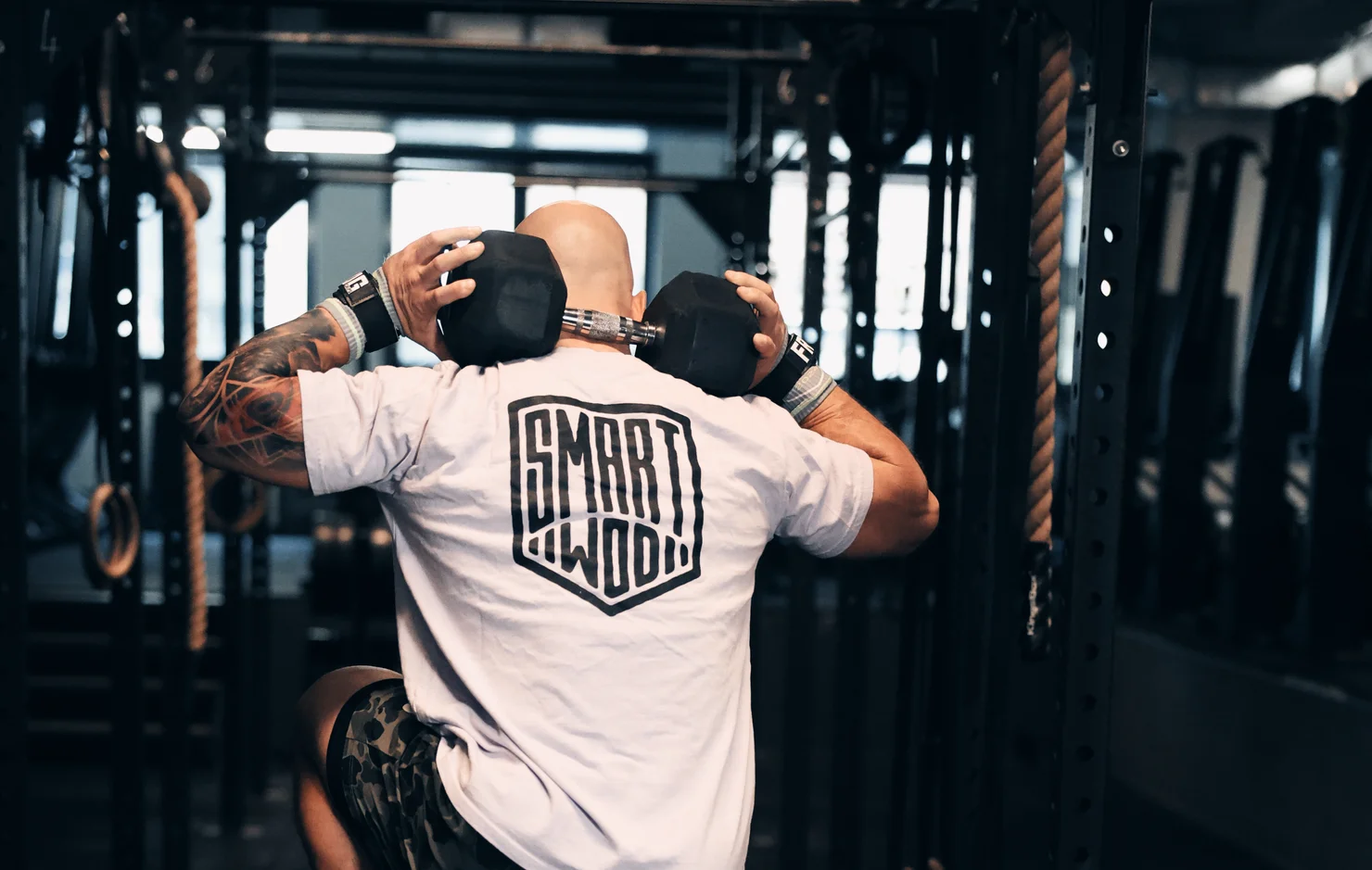
Strength training is particularly visible in American gym culture. Free weights, squat racks, resistance machines, and structured workout programs are common features of facilities that cater to people interested in muscle growth and physical performance.
Another defining feature is the range of fitness options available. Someone who wants to build muscle might choose a bodybuilding gym, while another person may prefer a group cycling class, a high-intensity interval training studio, or a fitness program built around functional movements.
Personalization is also important. Many gym members follow specific training splits, track their lifts, record body measurements, or use apps to monitor their progress. Online fitness communities reinforce this focus by encouraging people to share workout routines and celebrate personal milestones.
However, American gym culture is not limited to intense training or bodybuilding. Many people exercise to manage stress, improve cardiovascular health, maintain mobility, or support an active lifestyle.
Gym Culture in Japan: Discipline, Efficiency, and Everyday Movement
Japan's fitness culture is influenced by urban living, organized sports, and an emphasis on maintaining health throughout life. In large cities, where living space can be limited and daily schedules demanding, compact gyms and facilities offering convenient access appeal to people who want exercise to fit into their routines.
A notable characteristic is the variety of ways people stay active. Gym workouts coexist with walking, cycling, martial arts, recreational sports, and community exercise activities. Traditional practices such as judo and karate also form part of Japan's wider physical culture, although they should not be confused with the country's entire modern fitness scene.
Efficiency can be an important consideration for urban gym members. A short strength-training session before work or a quick workout after a long day may be easier to maintain than an elaborate training schedule.
Japan also has a well-established culture of public bathing and relaxation, including sento and onsen. These traditions are separate from gym training, but they illustrate how physical comfort and relaxation can form part of a broader approach to well-being.
Rather than assuming that all Japanese gym members follow the same disciplined routine, it is more accurate to recognize the combination of modern fitness facilities, traditional physical activities, and practical approaches to everyday movement.
Gym Culture in the United Kingdom: Community and Variety
In the United Kingdom, gym culture includes everything from affordable chain gyms and local leisure centers to private health clubs, boutique fitness studios, and specialist strength-training spaces.
One important feature is the role of community sports and local facilities. Leisure centers often bring together swimming pools, fitness rooms, group exercise classes, and sports courts. This makes exercise accessible to people with different interests and experience levels.
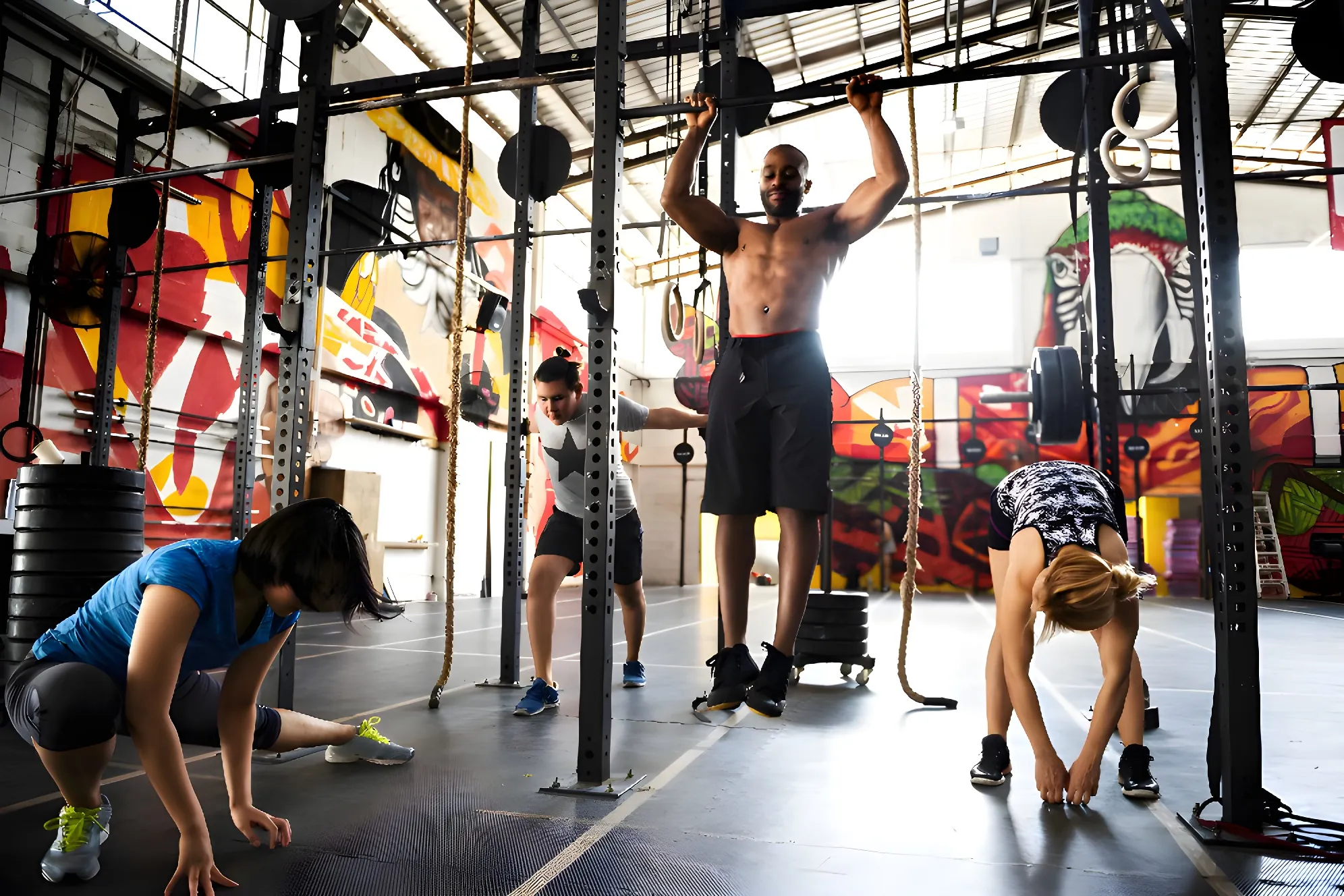
Group fitness also has a strong presence. Spin classes, circuit training, Pilates, yoga, and instructor-led strength sessions give people opportunities to exercise in a structured environment. For beginners, attending a class can make it easier to learn movements and maintain a consistent schedule.
The UK's wider sporting culture also influences gym training. Football, rugby, running, cycling, and other activities encourage people to develop strength, stamina, speed, and mobility to support their preferred sports.
British gym culture is not defined by one particular training style. Its variety reflects a mix of recreational exercise, competitive sport, social activities, and individual fitness goals.
Gym Culture in Brazil: Energy, Outdoor Exercise, and Body Confidence
Brazil is often associated with an energetic approach to physical activity, influenced by its beach culture, outdoor spaces, dance traditions, and enthusiasm for sport. In cities such as Rio de Janeiro, beaches and public outdoor areas can serve as places for running, walking, calisthenics, and strength exercises.
Traditional commercial gyms are also an important part of Brazil's fitness scene. Weight training, bodybuilding, functional training, and group classes attract people with a wide range of goals.
The country's climate in many regions makes outdoor activity appealing throughout much of the year, although weather conditions vary considerably across Brazil. Beach workouts and outdoor training areas can provide alternatives to indoor facilities, particularly in coastal communities.
Brazilian culture also includes sports such as football, volleyball, and capoeira. These activities combine physical conditioning with skill, coordination, and social interaction.
Appearance can be a motivation for some gym members, just as it is in many other countries. However, it would be misleading to reduce Brazilian fitness culture to physical appearance alone. Health, enjoyment, athletic performance, and community participation are also important reasons people stay active.
Gym Culture in South Korea: Technology, Trends, and Urban Fitness
South Korea's urban lifestyle has helped create a fitness environment in which convenience, technology, and contemporary wellness trends play visible roles. In cities such as Seoul, gym facilities are available in commercial buildings, residential complexes, specialist studios, and dedicated fitness centers.
Technology is an important part of the wider fitness experience. Wearable devices, mobile apps, online workout videos, and digital progress tracking can help users organize their routines and monitor activity.
South Korea also has a highly visible beauty and wellness industry. For some people, exercise is connected to body composition and appearance, while others focus on strength, endurance, stress management, or general health. Social media can influence workout preferences, but individual motivations remain diverse.
The popularity of different training styles changes over time. Weight training, Pilates, personal training, and group exercise all attract participants, with choices often shaped by schedules, budgets, and personal preferences.
South Korean gym culture illustrates how fitness can become part of a modern urban lifestyle, where people look for structured activities that fit around work, study, and social commitments.
Gym Culture in Germany: Structure, Sport, and Long-Term Health
Germany has a varied fitness landscape that includes commercial gyms, sports clubs, rehabilitation-oriented exercise facilities, and outdoor recreation opportunities.
Sports clubs, known as Sportvereine, are an important part of German sporting life. They provide organized opportunities to participate in activities such as football, gymnastics, athletics, swimming, and martial arts. While these clubs are not the same as commercial gyms, they contribute to a broader culture of structured physical activity.
Commercial fitness centers offer conventional strength training, cardiovascular equipment, group classes, and specialized programs. Some members follow detailed training plans, while others prefer flexible routines that fit around work and family life.
Cycling, walking, hiking, and other outdoor activities also complement indoor workouts. In many areas, access to parks, forests, and cycling routes gives people additional ways to remain active.
German fitness culture therefore extends beyond lifting weights. It includes organized sport, recreational exercise, and the use of structured programs to support long-term physical health.
Gym Culture in India: A Growing Fitness Scene
India's fitness industry reflects a wide range of lifestyles, regional traditions, and economic circumstances. In major cities, commercial gyms, boutique studios, personal training services, and specialized strength-training facilities have become visible parts of everyday urban life.
Weight training is popular among people pursuing muscle growth, strength, and changes in body composition. Group classes, running clubs, yoga studios, and recreational sports offer other ways to exercise.
Yoga has a particularly significant place in India's physical and wellness traditions. Although yoga is not the same as conventional gym training, many people combine it with resistance training or cardiovascular exercise to work on flexibility, balance, breathing, and mobility.
Access to fitness facilities differs considerably between metropolitan areas, smaller cities, and rural communities. Cost, commuting time, available equipment, and local attitudes toward exercise can all influence participation.
India's gym culture is therefore best understood as a changing and diverse environment. Modern training methods coexist with established physical practices, creating many different approaches to fitness.
Gym Culture in Australia: Outdoor Fitness and an Active Lifestyle
Australia's outdoor spaces and recreational sports contribute to a fitness culture that often combines indoor training with activities outside the gym.
Running, swimming, cycling, surfing, hiking, and team sports are popular ways to stay active. Public parks and outdoor exercise stations can provide accessible spaces for bodyweight training, while commercial gyms offer structured strength and cardiovascular workouts.
Functional training and group classes are also part of the Australian fitness landscape. People may attend a gym to improve performance in a sport, prepare for an outdoor activity, build strength, or simply maintain a regular exercise routine.
Climate plays a role, but Australia is geographically diverse, and weather conditions vary between regions and seasons. Indoor facilities remain important, especially for people who prefer predictable training conditions or need specialized equipment.
The combination of outdoor recreation and conventional gym workouts gives Australian fitness culture a broad character that accommodates different ages, interests, and ability levels.
Gym Culture in Turkey: Strength Training, Football, and Social Motivation
Turkey's fitness culture combines modern commercial gyms with a strong sporting tradition and an active interest in football. In major cities such as Istanbul, Ankara, and İzmir, gym members can choose between large fitness chains, neighborhood gyms, personal training studios, and facilities connected to sports clubs.
Weight training is a familiar part of the scene, particularly among people who want to build muscle, increase strength, or improve their physical appearance. Cardiovascular exercise, group classes, and functional training also appeal to people seeking general fitness.
Social motivation can be important. Some people train with friends, follow workout routines shared online, or join fitness communities to stay consistent. Others prefer training independently and setting personal targets.
Football's popularity also influences the broader sporting environment. Amateur players may use gyms to improve leg strength, speed, endurance, and injury resilience. Basketball, volleyball, swimming, and other activities similarly create demand for sport-specific conditioning.
As in other countries, habits vary according to age, location, income, work schedules, and access to facilities. Turkish gym culture is not one single style; it is a mix of strength training, recreational exercise, sport preparation, and personal wellness.
Gym Culture in Scandinavian Countries: Balance and Outdoor Activity
Countries such as Sweden, Norway, and Denmark are often associated with outdoor recreation, cycling, walking, and an active relationship with nature. These activities complement conventional gym training and shape how many people approach physical activity.
In Denmark, cycling is part of everyday transportation in many urban areas. This means some people incorporate movement into their daily routines without treating every activity as a formal workout.
Norway's mountains, forests, and coastal landscapes provide opportunities for hiking, skiing, and other outdoor pursuits. Sweden also has extensive opportunities for walking, running, and nature-based recreation.
Indoor gyms remain important across the region. Strength training, group exercise, and cardiovascular workouts allow people to train regardless of weather or daylight conditions.
The key distinction is not that Scandinavian people exercise in one particular way, but that fitness can extend beyond gym walls. Everyday movement, access to outdoor spaces, and recreational activities may all contribute to an active lifestyle.
How Social Media Is Making Gym Culture More Global
Although countries retain their own fitness traditions, social media has made gym culture more interconnected than ever.
A workout developed by an American strength coach can become popular in Turkey. A Pilates routine from South Korea can attract viewers in Europe. Brazilian calisthenics videos can inspire people to train outdoors in cities thousands of kilometers away.
This exchange has several effects.
-
Workout routines travel quickly: People can discover new exercises, training splits, and mobility routines without attending a specialist gym.
-
Fitness communities cross borders: Online groups connect people with similar goals, even when they live in different countries.
-
Training standards become more visible: Users can compare exercise techniques and learn about different approaches to strength, endurance, and recovery.
-
Trends can spread faster than evidence: A popular workout is not automatically effective or suitable for everyone. Advice should be evaluated for safety, quality, and individual needs.
Social media also creates pressure to achieve a particular appearance or reach unrealistic goals. Comparing a beginner's progress with an experienced athlete's carefully edited content can lead to frustration.
The most useful approach is to borrow ideas that suit your needs without assuming that every trend deserves a place in your routine.
What Can You Learn From Gym Culture Around the World?
Exploring international fitness habits can help you build a more flexible and enjoyable approach to exercise. You do not need to copy another country's entire training culture to benefit from its ideas.
Take inspiration from American strength training. Track your progress with realistic targets, such as increasing the weight you lift safely or improving your technique over time.
Borrow Japan's focus on consistency. A manageable 30-minute workout that you can maintain each week may be more useful than an ambitious program you abandon after a few sessions.
Learn from community-based fitness in the UK. Group classes, sports clubs, and workout partners can make exercise more enjoyable and help you stay accountable.
Explore Brazil's outdoor approach. Walking, running, or bodyweight exercises in a park can complement gym sessions when the weather and location allow.
Use technology thoughtfully, as seen in modern South Korean fitness. Activity trackers and training apps can help you monitor progress, but they should support your goals rather than dictate how you feel about yourself.
Combine indoor and outdoor activity. The Scandinavian approach to recreation highlights that an active lifestyle can include much more than scheduled gym sessions.
Ultimately, the best ideas are the ones that match your health, experience, schedule, budget, and preferences.
Is Gym Culture the Same Everywhere?
No. The basic purpose of exercise is widely shared, but the environment surrounding it differs from country to country.
Some fitness communities place a strong emphasis on bodybuilding and visible physical progress. Others are shaped by organized sports, outdoor recreation, social classes, technology, or long-term health goals. In many places, several approaches exist side by side.
It is also important to avoid stereotypes. Not every American focuses on bodybuilding, not every Japanese gym member follows the same routine, and not every Brazilian prefers outdoor exercise. Individual preferences, local access, and personal circumstances often matter more than national identity.
Globalization has made training styles more similar in some respects, particularly through international gym chains, fitness apps, and online coaching. Yet local traditions and lifestyles continue to influence the way people exercise.
What's Your Reaction?