Gym Etiquette: The Rules Everyone Should Know
Learn the essential gym etiquette rules everyone should know, from sharing equipment and wiping down machines to respecting personal space and keeping workouts safe.

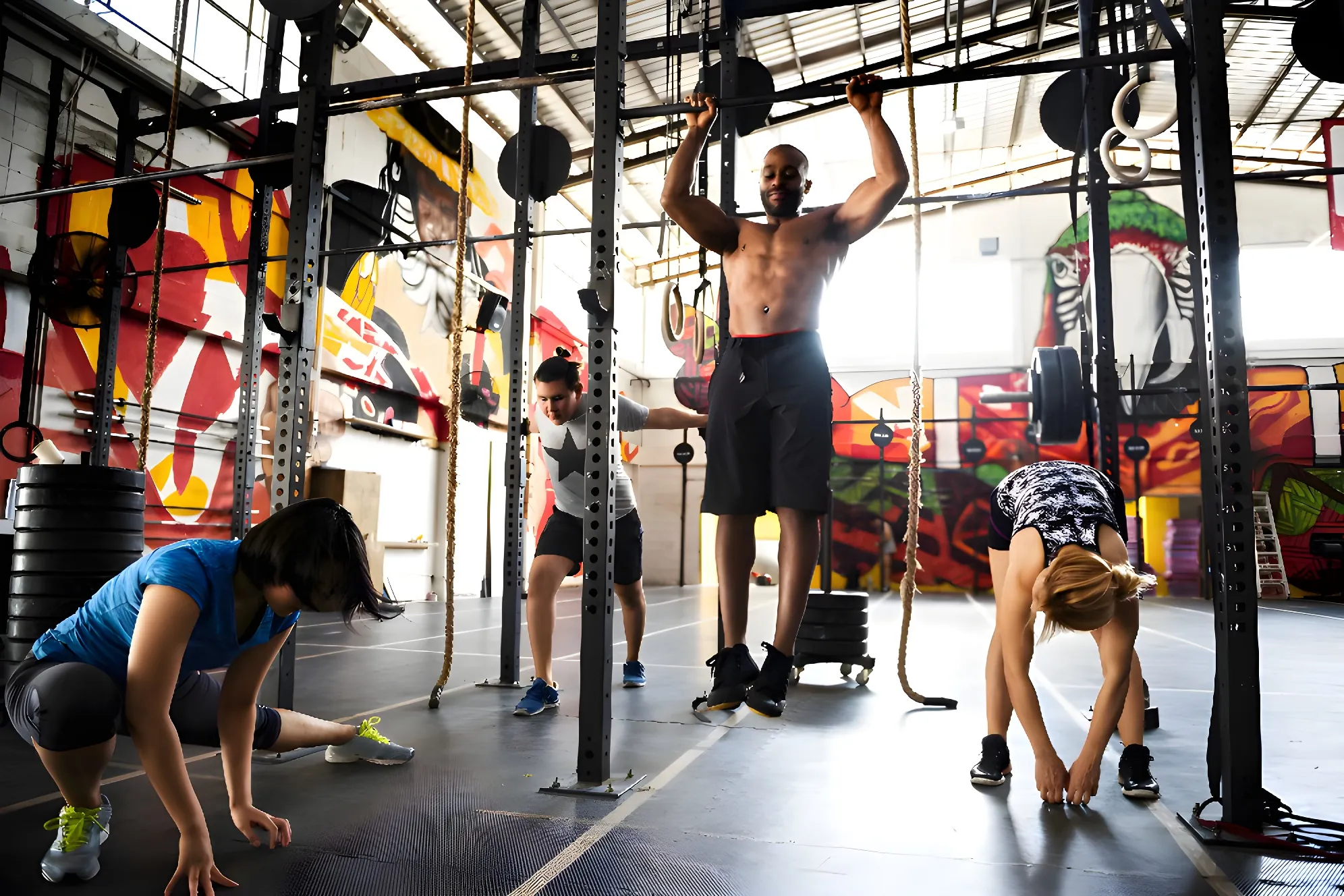
Going to the gym is about more than lifting weights, following a workout plan, or improving physical fitness. It is also about sharing a space with other people who have their own goals, routines, and expectations. Whether someone is a beginner learning how to use the equipment or an experienced lifter following a demanding training program, good gym etiquette helps everyone enjoy a more comfortable and productive workout.
Most gyms have basic rules, but not every situation is covered by a sign on the wall. Knowing how to share equipment, respect personal space, manage rest periods, and interact with other members can make a significant difference to the overall training environment.
Gym etiquette is not about making fitness complicated or worrying about every small mistake. It is about being considerate, staying aware of your surroundings, and understanding that the gym is a shared space. Here are the essential rules everyone should know before their next workout.
1. Wipe Down Equipment After Use
One of the most important gym etiquette rules is cleaning equipment after finishing a set or exercise. Weight benches, treadmill handles, exercise bikes, and machine seats can collect sweat during a workout. Leaving them wet or dirty creates an unpleasant experience for the next person.
Most gyms provide disinfectant spray, wipes, or paper towels for this purpose. Use the products provided by the facility and follow its cleaning instructions. Pay particular attention to surfaces that come into direct contact with your skin, such as bench pads, seat cushions, and handles.
For example, if you finish a set of dumbbell chest presses, wipe down the bench before moving to your next exercise. It takes only a few seconds and shows consideration for other members.
Cleaning equipment is also a matter of shared responsibility. Everyone contributes to keeping the training area hygienic, rather than expecting gym staff to clean up after every individual workout.
2. Put Weights Back Where They Belong
Returning weights to their proper places is another basic rule that experienced gym members should follow just as carefully as beginners.
After using dumbbells, weight plates, kettlebells, or resistance bands, put them back in the designated storage area. Leaving equipment on the floor can create unnecessary obstacles, make it difficult for others to find what they need, and increase the risk of accidents.
Imagine arriving at the dumbbell rack and finding the 10 kg dumbbells beside a bench, the 15 kg pair near a cable machine, and several heavier weights scattered across the floor. Finding the correct equipment becomes frustrating, especially during busy hours.
Properly reracking weights keeps the gym organized and makes it easier for everyone to move between exercises. If you remove plates from a barbell, return them to the appropriate storage pegs when you finish.
The same principle applies to smaller items. Resistance bands, collars, mats, and other accessories should be returned to their designated locations instead of being left wherever they were last used.
3. Share Equipment During Busy Hours
Popular equipment can be difficult to access during peak gym hours, particularly in the early morning and evening. Several people may want to use the same squat rack, bench press station, or cable machine.
Good gym etiquette means understanding that equipment is shared. If someone asks whether they can work in with you, consider allowing them to alternate sets, provided the exercise and equipment setup make this practical and safe.
For example, if you are performing bench presses and another member wants to use the same bench, you may be able to alternate sets if you can agree on a manageable weight and adjust the setup easily. However, alternating is not always appropriate when exercises require substantially different configurations or when changing weights repeatedly would disrupt safe training.
You should also avoid occupying several pieces of equipment simultaneously when other members are waiting. A workout that involves moving between a bench, a cable station, and a machine can be effective, but claiming all three for an extended period may prevent others from training.
If the gym is crowded, consider completing exercises in one area before moving to another. A little flexibility can make busy sessions much easier for everyone.
4. Do Not Sit on Equipment While Using Your Phone
Checking your phone between sets is perfectly normal. You might need to track your repetitions, follow a workout plan, adjust your music, or check a training app. The problem begins when phone use takes longer than the rest period itself.
Sitting on a bench or occupying a machine for several minutes while scrolling through social media can prevent other members from using the equipment. This becomes especially frustrating when several people are waiting.
Try to keep your rest periods focused on recovery and preparation for the next set. If your workout requires two or three minutes of rest between demanding sets, use that time to breathe, record your performance, and prepare for the next effort.
If you need to make a phone call or reply to a lengthy message, step away from the equipment when possible. This simple habit allows other people to continue their workouts without unnecessary delays.
The goal is not to ban phones from the gym. It is to use them without forgetting that other members may be waiting for the space you occupy.
5. Respect Other People's Personal Space
A gym contains moving weights, exercise machines, and people performing physically demanding movements. Giving others enough room is therefore both a matter of courtesy and a safety consideration.
Avoid standing directly in front of someone who is using a mirror to check their technique. Do not walk too close to a person performing dumbbell presses, lunges, or barbell exercises. If someone is lifting a heavy weight, give them enough space to complete the movement without worrying about people moving around them.
For example, walking directly behind someone performing barbell squats can be distracting and potentially dangerous. Similarly, standing in front of a mirror while another person is checking their deadlift position may interfere with their ability to monitor their form.
Be particularly careful around lifting platforms, squat racks, and free-weight areas. Never assume that someone can easily stop a movement to accommodate you.
Respecting personal space also means avoiding unnecessary physical contact. If you need to get past someone, wait for a safe moment or politely ask them to move rather than squeezing through a narrow gap.
6. Ask Before Giving Someone Advice
Fitness enthusiasts often enjoy sharing what they have learned about training. Advice can be helpful, especially when it comes from someone with relevant knowledge, but unsolicited coaching can make other gym members uncomfortable.
If you notice someone performing an exercise differently from how you would perform it, that does not automatically mean they are doing it incorrectly. People may have different training goals, mobility limitations, exercise variations, or instructions from a qualified professional.
Instead of immediately correcting them, consider whether your intervention is necessary. If you believe there is a genuine safety concern, approach politely and avoid embarrassing the person in front of others.
A simple question such as, "Would you like a suggestion about your technique?" gives the other person the opportunity to accept or decline.
The same rule applies when discussing workout routines, supplements, nutrition, and body composition. What works for one individual may not be suitable for someone else.
Respectful communication is more useful than trying to demonstrate that you know more about fitness.
7. Avoid Filming Other Gym Members Without Permission
Recording workouts has become increasingly common. People film their technique, track their progress, create fitness content, or share training videos online. However, a gym is a shared environment, and not everyone wants to appear in someone else's footage.
Before recording, check the gym's filming policy. Some facilities restrict recording in certain areas, particularly locker rooms and changing spaces. Others may require permission or impose rules designed to protect members' privacy.
Even if filming is permitted, position your camera so that other people are not unnecessarily included in the background. A phone aimed at a bench press station can easily capture someone exercising nearby without their knowledge.
Never record in locker rooms, changing areas, or other private spaces where people have a strong expectation of privacy. Do not publish identifiable footage of other members without their permission.
If you want to record your own workout, choose a location that does not obstruct walkways or interfere with other people's training. Being able to document personal progress should not come at the expense of someone else's comfort.
8. Keep Gym Conversations at a Reasonable Volume
Music, conversation, and the sound of weights are normal parts of the gym environment. However, shouting across the room, playing videos through phone speakers, or having loud conversations beside someone who is concentrating can become distracting.
If you listen to music, use headphones and keep the volume at a level that allows you to remain aware of your surroundings. This is especially important in free-weight areas, where you need to notice people moving equipment around you.
Conversations should also be considerate. Catching up with a friend between sets is fine, but blocking a machine for an extended conversation is less appropriate when other people are waiting.
Some exercises require considerable concentration, particularly heavy squats, deadlifts, and overhead presses. Avoid distracting someone during a demanding lift unless there is a genuine safety issue.
A friendly atmosphere is valuable, but it works best when people remain mindful of those around them.
9. Use Equipment Safely and Follow Gym Rules
Gym etiquette is closely connected to safe training practices. Equipment should be used for its intended purpose, and members should follow the facility's instructions.
Before using an unfamiliar machine, take time to understand how it works. Adjust the seat, handles, and safety mechanisms before beginning your set. If you are unsure how to use a piece of equipment, ask a qualified gym staff member for assistance.
When lifting barbells, use appropriate safety bars or ask for a spotter when needed. Avoid attempting weights that exceed your current ability simply to impress other people. Training decisions should be based on your experience, preparation, and physical capacity.
You should also avoid dropping weights unnecessarily. Some gyms have equipment designed for controlled drops, but repeated loud impacts can damage flooring, disturb other members, or create hazards. Follow the facility's specific rules.
Finally, never leave loaded barbells or equipment in a condition that could surprise the next user. Clear away plates and accessories, and make sure the station is ready for someone else to use safely.
10. Be Considerate When Using Cardio Machines
Treadmills, stationary bikes, rowing machines, and ellipticals are often in high demand, especially when a gym is crowded.
If the facility has a time limit for cardio equipment during peak hours, follow it. Even when no formal limit exists, be aware of how long you have been using a machine if other members are waiting.
Avoid reserving a treadmill with your belongings while using another machine. Equipment should generally be available to the person who is actively using it, rather than being held for an extended period.
After finishing your session, wipe down the machine and leave it ready for the next person. Return any removable accessories to their proper places and take your personal belongings with you.
If you need to stop exercising temporarily, consider whether someone else is waiting and whether stepping away would allow them to use the equipment.
Small acts of consideration can make cardio areas considerably less stressful during busy periods.
11. Dress Appropriately for the Gym
Gym clothing should allow you to move comfortably and safely. The most suitable outfit depends on the type of training you plan to do, the facility's dress code, and your personal preferences.
For strength training, choose clothing that does not interfere with your movements or become caught in equipment. Properly fitted athletic shoes are important for stability, while running shoes may be more suitable for treadmill sessions than for certain heavy lifting exercises.
Avoid wearing footwear that creates a safety risk or violates the gym's rules. Some facilities have specific requirements for shoes, clothing, or training accessories.
Hygiene also matters. Wearing clean workout clothes and changing out of heavily sweat-soaked clothing after training helps maintain a more comfortable environment.
There is no need to judge other people's outfits as long as they follow the facility's policies and train safely. Gym etiquette is about respecting others, not enforcing personal preferences about fashion.
12. Do Not Hog the Squat Rack or Bench Press Station
Squat racks and bench press stations are among the most frequently used pieces of strength-training equipment. During busy periods, waiting for one can interrupt an entire workout.
If you are using a rack for squats, overhead presses, or another barbell exercise, keep your setup organized and avoid unnecessary delays between sets. When someone asks how many sets you have left, provide an honest answer.
If you plan to perform several exercises, consider whether each one genuinely requires the rack. For instance, using a squat rack as a place to store dumbbells or perform an exercise that can easily be done elsewhere may unnecessarily restrict access.
Do not use a rack to hold your belongings while you train at a different station. Once you finish, unload the barbell as appropriate and leave the area ready for the next member.
The same principles apply to adjustable benches and cable stations. Equipment should be used for its intended purpose, and everyone should have a reasonable opportunity to complete their workout.
13. Respect Beginners and Experienced Lifters Equally
People enter the gym with different levels of experience. Some are learning how to perform a basic squat, while others are preparing for powerlifting competitions or following advanced bodybuilding programs.
Neither group deserves more respect than the other.
Beginners may need extra time to understand machine adjustments, learn exercise technique, or feel comfortable in an unfamiliar environment. Experienced lifters may need concentration, longer recovery periods, or specific equipment for their training.
Avoid laughing at someone who makes a mistake or comparing your progress with theirs. Everyone has a different starting point, and fitness development rarely follows the same timeline for every person.
If a beginner asks for help and you feel comfortable providing it, offer simple, respectful guidance. If you are uncertain about the correct answer, direct them to a qualified trainer instead of guessing.
A welcoming gym culture makes it easier for people to stay consistent. When members feel judged or intimidated, they may become reluctant to ask questions or return for another session.
14. Be Patient When Equipment Is Occupied
Even with excellent planning, you will sometimes find that the machine or weight you need is being used. This is particularly common during the busiest hours of the day.
Rather than hovering directly beside another person or repeatedly asking when they will finish, give them space and consider an alternative exercise.
For example, if the cable machine is occupied, you might perform dumbbell exercises that target a similar muscle group, depending on your workout plan. If every bench is taken, you could complete a different scheduled exercise and return later.
You can also ask politely whether the person has many sets remaining. This helps you plan your session without putting unnecessary pressure on them.
Remember that people have different rest requirements. Someone performing heavy compound lifts may need longer breaks than someone doing lighter accessory work.
Patience and flexibility help maintain a positive atmosphere, even when the gym is crowded.
15. Follow Locker Room Etiquette
Locker rooms require particular attention to cleanliness, privacy, and personal boundaries.
Keep your belongings within your assigned locker or a designated storage area instead of spreading them across several benches. After changing, collect your clothing, towels, and other items so that the space remains available to others.
If the gym provides showers, follow its hygiene rules and avoid occupying the facilities longer than necessary when other members are waiting. Dispose of rubbish properly and leave shared surfaces clean.
Privacy is especially important in these areas. Do not take photographs or videos, and avoid staring at or commenting on other people's bodies. Members should be able to change and prepare for their workouts without feeling uncomfortable.
If you use shared amenities, treat them as you would want others to treat them. A clean and respectful locker room benefits everyone who uses the facility.
16. Control Your Ego and Respect Your Limits
A positive gym environment depends partly on how people handle competition, frustration, and personal goals.
Trying to lift more weight than you can safely manage, interrupting someone to demonstrate your strength, or making negative comments about another person's performance can create unnecessary tension.
Fitness progress is personal. Someone lifting lighter weights may be recovering from an injury, learning proper technique, or following a program designed for a specific goal. Weight on the bar is not a complete measure of someone's ability or dedication.
Focus on your own training and celebrate progress without turning every session into a competition. If you need a spotter, ask clearly and agree on what assistance you expect before beginning the lift.
It is also important to accept that not every workout will go perfectly. You may have less energy, need to reduce the weight, or decide to stop an exercise that does not feel right.
Training intelligently is a sign of experience, not weakness.
17. Follow the Gym's Specific Policies
Although many etiquette principles apply almost everywhere, individual gyms may have additional rules.
Some facilities require members to use towels on benches. Others have designated areas for lifting platforms, restrictions on chalk, policies on recording videos, or specific procedures for booking personal training sessions.
Read the membership terms and any posted notices, particularly when joining a new gym. If a rule is unclear, ask a staff member rather than assuming that another facility's policies apply.
You should also respect staff instructions concerning equipment maintenance, overcrowding, hygiene, and safety. If a machine is marked as out of order, do not use it simply because it appears functional.
Following the gym's policies protects both members and the facility. It also helps prevent disagreements caused by different expectations about how shared spaces should be used.
Common Gym Etiquette Mistakes to Avoid
Even well-intentioned gym members can develop habits that inconvenience others. Some of the most common mistakes include:
-
Leaving dumbbells, plates, and other equipment scattered across the floor.
-
Sitting on a machine while spending several minutes on a phone.
-
Failing to clean benches and seats after sweating.
-
Walking too close to someone performing a heavy lift.
-
Recording videos that capture other members without their permission.
-
Giving unsolicited fitness advice or criticizing someone's technique.
-
Playing music or videos loudly through a phone speaker.
-
Using multiple stations for an extended period while others are waiting.
-
Ignoring posted rules about equipment, clothing, or shared facilities.
-
Leaving personal belongings on benches or in workout areas.
These habits may seem minor individually, but they can make a gym less comfortable and less efficient when repeated by many members.
The solution is straightforward: stay aware of your surroundings, clean up after yourself, communicate politely, and remember that everyone is there to train.
Why Good Gym Etiquette Matters
Good gym etiquette creates a better experience for beginners, experienced athletes, personal trainers, and casual members alike. When people share equipment fairly and respect one another's space, workouts become easier to plan and less likely to be interrupted.
Cleanliness and organization also contribute to a more comfortable training environment. Returning weights, wiping down equipment, and keeping walkways clear help reduce avoidable problems.
There is also a social benefit. People are more likely to feel comfortable in a gym when other members are friendly, patient, and respectful. This can be especially important for beginners who are still developing confidence and building a consistent exercise routine.
Most importantly, gym etiquette reinforces the idea that fitness is not only an individual pursuit. Although everyone may have different goals, the environment is shared. A considerate attitude helps make that environment welcoming and functional for all.
What's Your Reaction?