How to Respect Other People in a Busy Gym
Learn how to respect other people in a busy gym with practical tips on sharing equipment, managing rest periods, maintaining personal space, following gym etiquette, and creating a more comfortable workout environment for everyone.

A busy gym can be an energetic place to train, meet personal fitness goals, and build healthy habits. However, when the weight racks are full, cardio machines are occupied, and several people are waiting to exercise, even a simple workout can become frustrating. In these situations, the way gym members treat one another makes a significant difference.
Respecting other people at the gym is about more than being polite. It means understanding that everyone has limited time, different fitness goals, and an equal right to use the facilities. Small actions, such as returning weights, sharing equipment, keeping walkways clear, and asking before interrupting someone, can make a crowded gym much easier to navigate.
Good gym etiquette also benefits your own training experience. When people communicate clearly and consider one another, there is less unnecessary conflict, equipment is easier to access, and everyone can focus on exercising safely.
Whether you are a beginner or an experienced gym member, learning how to respect other people in a busy gym helps create an environment where everyone feels welcome.
1. Share Equipment Instead of Occupying It Unnecessarily
One of the most common sources of frustration in a busy gym is waiting for equipment. During peak hours, popular machines, benches, squat racks, and cable stations can remain occupied for long periods.
It is reasonable to take the time you need to complete your workout, but that does not mean you should prevent others from using equipment when sharing is practical.
For example, if someone asks whether they can work in between your sets on a machine, consider allowing them to do so. This arrangement is often called working in. Each person completes a set while the other rests, provided the equipment can be adjusted safely and efficiently.
Working in may not be suitable for every exercise. Changing heavy barbell weights, adjusting complicated setups, or switching between very different loads can make sharing impractical. In those situations, communicate politely and explain approximately how many sets you have left.
A simple response such as, "I've got two sets left, and I'll let you know when I'm finished," helps the other person plan their workout.
The key is to use equipment responsibly without treating it as your personal property. A gym is a shared environment, and reasonable cooperation helps everyone train more efficiently.
2. Avoid Sitting on Equipment While Using Your Phone
Rest periods are an important part of training. Depending on the exercise and your goals, you may need several minutes to recover before your next set.
However, there is a difference between taking an appropriate rest and occupying a machine while spending several minutes scrolling through social media.
When the gym is crowded, someone waiting for a bench may become frustrated if the person using it appears to have finished exercising but continues browsing their phone.
You do not need to eliminate your rest periods or rush through a demanding workout. Instead, stay aware of the equipment you are using and the people waiting nearby.
If you need to answer an important message or take a phone call, consider stepping away from the equipment when it is practical to do so.
This small adjustment allows someone else to use the space without forcing you to compromise your training unnecessarily.
3. Put Weights and Equipment Back After Use
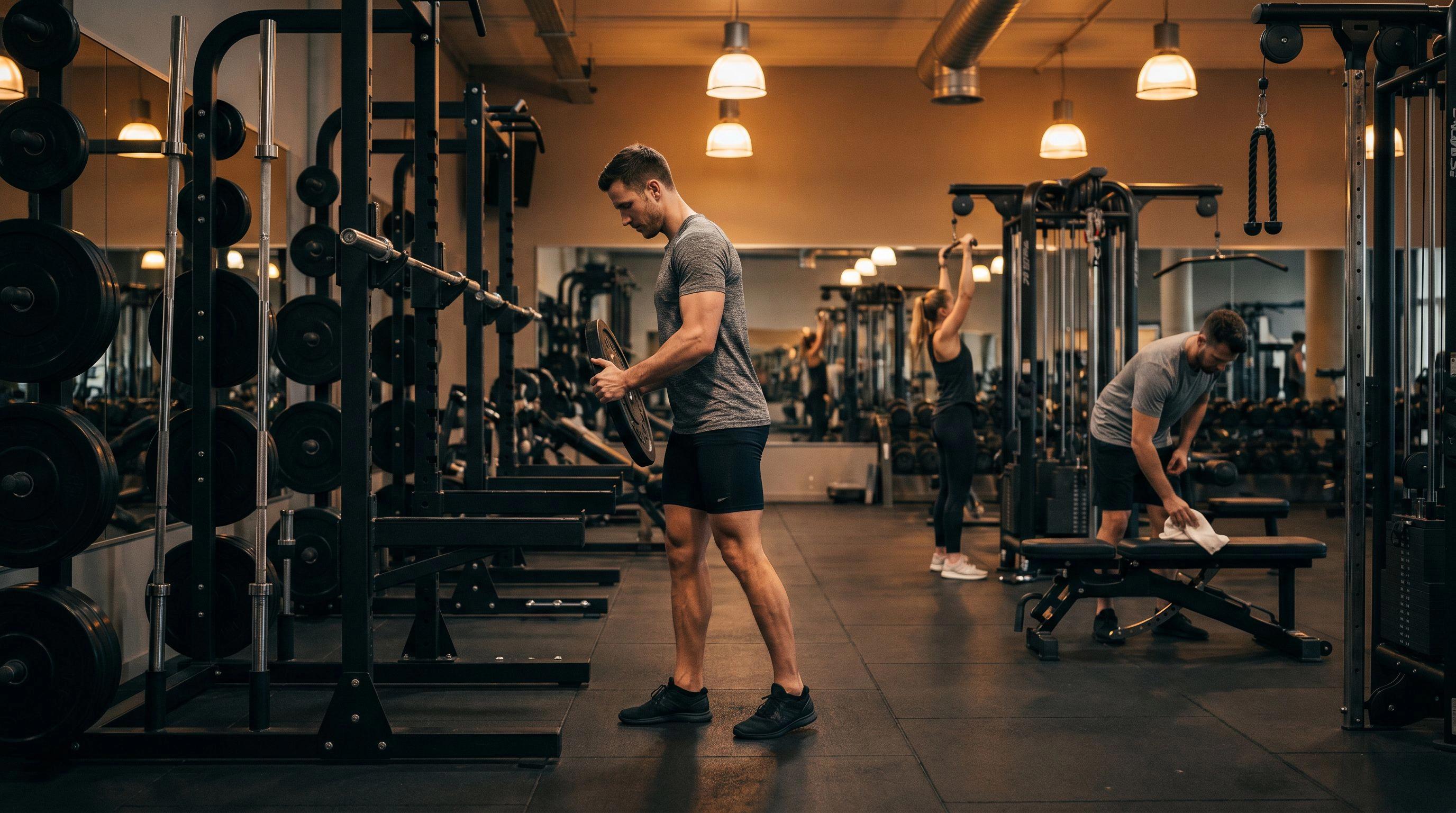
Leaving dumbbells on the floor, barbells loaded with plates, or resistance bands scattered around the gym creates unnecessary problems for other members.
Someone may have to spend several minutes clearing a bench before using it. Another person might struggle to find the weights they need, while loose equipment can create a tripping hazard.
Returning equipment to its designated location is one of the simplest ways to demonstrate respect.
After completing your exercise:
-
Return dumbbells to the correct rack.
-
Remove weight plates from barbells and machines when appropriate.
-
Put resistance bands, mats, and other accessories away.
-
Keep walkways and emergency access areas clear.
-
Avoid leaving equipment in places where someone might trip over it.
If you are unable to move a heavy plate safely, ask gym staff for assistance rather than attempting to lift it in a way that could cause injury.
Cleaning up after yourself also makes the gym more efficient. Everyone benefits when equipment is easy to find, accessible, and ready for the next person.
4. Respect Personal Space During Workouts
Personal space matters in every shared environment, and gyms are no exception.
People need enough room to perform exercises safely, particularly when using dumbbells, barbells, kettlebells, or cable machines. Standing too close to someone who is lifting can interfere with their movement or distract them during a demanding set.
For example, avoid walking directly in front of someone performing dumbbell presses or standing beside a person who is completing a deadlift. Give them enough room to finish their movement without feeling crowded.
It is also considerate to avoid staring at other gym members or repeatedly watching their workouts in a way that could make them uncomfortable.
Sometimes, you may need to pass through a narrow area or access nearby equipment. If someone is actively lifting, wait until they finish or politely ask whether you can pass.
Respecting personal space is not about avoiding everyone. It is about recognizing that people need room to concentrate, move freely, and exercise safely.
5. Keep Your Workout Conversations Considerate
Gyms can be social places, and friendly conversations are a normal part of fitness culture. People meet training partners, reconnect with friends, and sometimes develop lasting friendships through regular workouts.
However, not everyone wants to talk while exercising.
Some members prefer to listen to music, concentrate on their technique, or finish their session within a limited amount of time. Interrupting someone repeatedly during their workout can become frustrating, especially if they are completing a demanding exercise.
Before starting a conversation, consider whether the other person appears available. Someone standing near the entrance or resting casually may be more open to chatting than someone preparing for a heavy lift.
If you need to ask a question, keep it brief and respectful. If the person gives short answers or returns their attention to their workout, allow them to continue.
Avoid giving unsolicited advice about another person's technique unless there is an immediate safety concern that requires intervention. If you are unsure whether your advice would be welcome, asking permission is a better approach.
A friendly gym environment does not require everyone to socialize. Respecting different communication preferences is part of good gym etiquette.
6. Be Patient When Equipment Is Occupied
During peak hours, waiting is sometimes unavoidable. Popular equipment may remain occupied even when everyone is using it appropriately.
Although waiting can be inconvenient, pressuring someone to finish immediately rarely improves the situation.
Instead of repeatedly asking how many sets they have left, consider using another exercise that targets a similar muscle group or completing a different part of your workout.
For example, if all the benches are occupied, you might temporarily switch to an available chest exercise that fits your program. If a cable station is busy, you may be able to complete another planned movement while waiting.
This approach gives you flexibility without creating conflict.
If you are following a specific program and need particular equipment, politely asking about availability can help you plan. Just remember that another person has the same right to complete their workout.
Patience is particularly important when the gym is crowded. Everyone is trying to make the most of their time, and a little consideration can prevent unnecessary tension.
7. Follow Gym Rules About Cleaning Equipment
Gym equipment comes into contact with sweat and frequently touched surfaces throughout the day. Cleaning equipment after use is an important part of maintaining a hygienic environment.
Many gyms provide disinfectant spray, wipes, or paper towels for this purpose. If your facility has a cleaning policy, follow its instructions rather than assuming that another person will clean up after you.
Wipe down benches, seats, handles, and other surfaces according to the gym's guidelines. Use the appropriate cleaning materials and avoid spraying products directly onto electronic equipment unless the manufacturer or facility permits it.
It is also considerate to leave equipment dry and ready for the next person.
Cleaning practices may vary depending on the facility and equipment type, so follow posted instructions where available.
Good hygiene does not require complicated routines. Consistently cleaning the surfaces you have used helps make shared equipment more comfortable for everyone.
8. Avoid Filming Other People Without Permission
Recording workouts has become increasingly common, particularly among fitness influencers and people documenting their progress on social media.
Filming can be useful for reviewing exercise technique, tracking strength improvements, or creating educational content. However, a busy gym is a shared space, and other members may not want to appear in someone's videos.
Before setting up a phone or tripod, consider the camera angle and whether other people could be captured in the background.
A respectful approach includes:
-
Checking the gym's recording policy before filming.
-
Keeping your camera focused on yourself.
-
Avoiding areas where recording would interfere with other members.
-
Asking permission before intentionally recording someone else.
-
Respecting requests not to be filmed or have footage shared.
Even if a person appears briefly in the background, they may still feel uncomfortable about being recorded or posted online.
Filming should never interfere with safe equipment use or block walkways. If you cannot record without disturbing others, choose a different angle or skip the recording.
Respecting privacy is an essential part of creating a gym environment where people can exercise without feeling watched or exposed.
9. Keep Noise at a Reasonable Level
Some noise is normal in a gym. Heavy weights can make sounds when they are placed on the floor, people may breathe heavily during challenging sets, and training partners sometimes encourage one another.
However, unnecessary noise can make the environment less comfortable.
Playing music through a phone speaker, shouting across the room, or repeatedly dropping weights when controlled placement is possible can disturb other members.
There are also safety considerations. Excessive noise may distract people who are concentrating on demanding movements or trying to communicate with a training partner.
Use headphones for personal music, keep conversations at a reasonable volume, and follow your gym's rules about dropping weights.
Certain exercises and specialized training environments naturally involve more noise than others. The goal is not to make the gym silent, but to avoid creating unnecessary disruption.
Being mindful of noise helps preserve an atmosphere where people can focus on their workouts.
10. Be Mindful of How You Use Mirrors
Mirrors help gym members monitor their technique, posture, and positioning. They are particularly useful for exercises where visual feedback can support movement awareness.
However, standing directly in front of someone who is using a mirror can block their view and make an exercise more difficult to perform.
This is especially frustrating when someone has positioned themselves carefully for a squat, dumbbell movement, or mobility exercise.
When choosing where to stand, check whether another person is already using that section of the mirror. If possible, leave enough space for both people to exercise comfortably.
Avoid assuming that a mirror area belongs exclusively to one person, but also recognize when someone is actively using it for a specific purpose.
A little awareness can prevent unnecessary interruptions and help members share the space more effectively.
11. Respect Different Fitness Levels and Goals
A busy gym brings together people with different bodies, abilities, backgrounds, and levels of experience. Some members are preparing for competitions, while others are learning their first strength exercises or returning to physical activity after a long break.
Respect means recognizing that there is no single correct reason to exercise.
Avoid making comments about someone's body, the amount of weight they lift, how quickly they complete an exercise, or how much time they spend resting. These observations are rarely helpful and may make someone feel uncomfortable.
Likewise, do not assume that a person is inexperienced because they use light weights or choose machine-based exercises. They may be recovering from an injury, following a specific program, or working toward a goal that differs from yours.
If someone asks for advice, offer it politely and within the limits of your knowledge. If they do not ask, allow them to focus on their own training unless there is a clear and immediate safety issue.
A respectful gym culture allows people to make progress without having to justify their goals to everyone around them.
12. Share Limited Space During Peak Hours
When a gym becomes crowded, even ordinary movements require more awareness.
People may need to walk between machines, carry dumbbells across the floor, or find a safe area for stretching. Leaving a gym bag in the middle of a walkway or spreading equipment across several spaces can make movement difficult.
Try to keep your belongings in the designated storage areas and avoid occupying more space than necessary.
When setting up for an exercise, make sure there is enough room to complete the movement without interfering with other members. If an area is too crowded for a particular exercise, consider moving to a safer location or choosing an alternative.
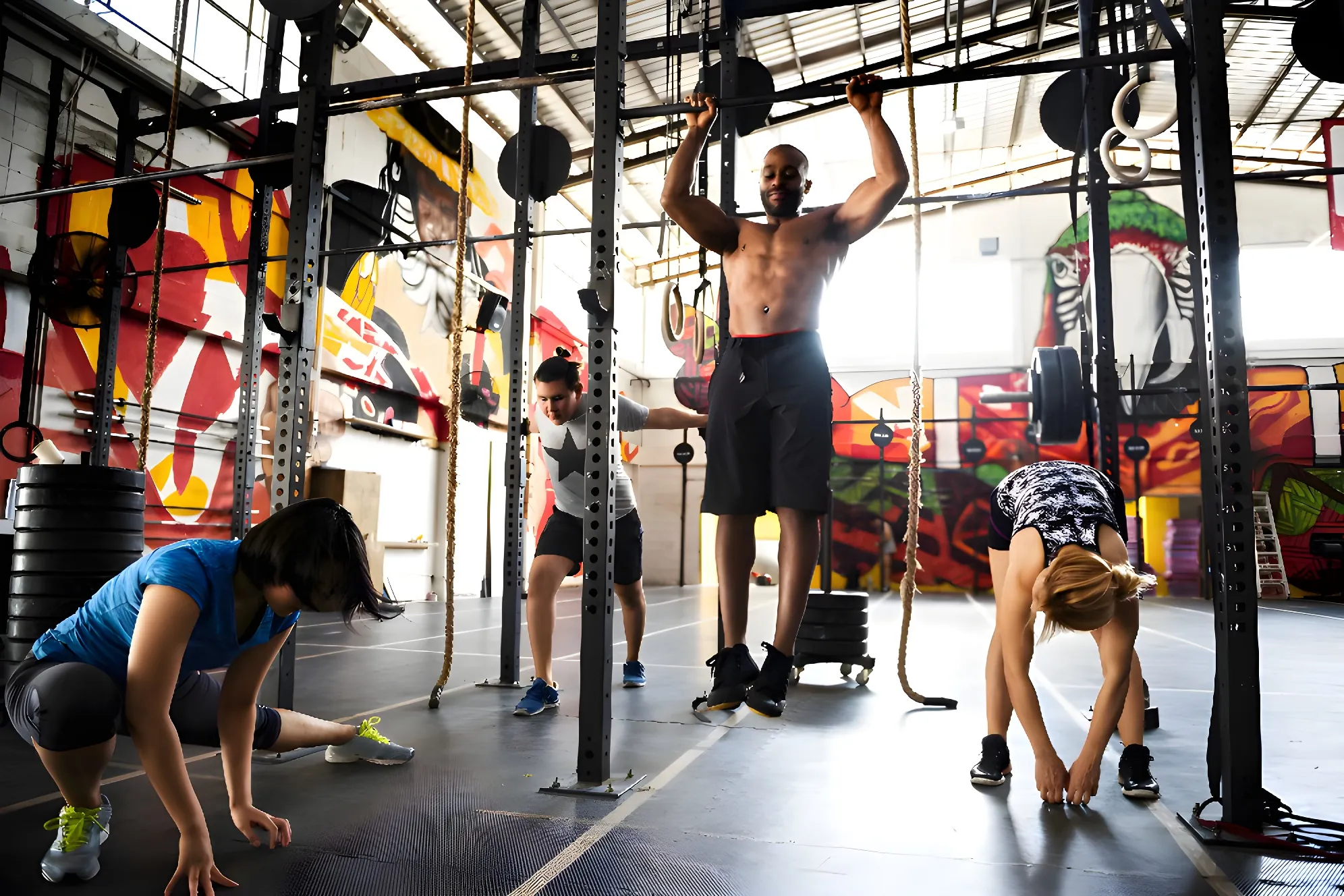
Be particularly careful around free weights. Someone performing a lunge or carrying heavy dumbbells may need more room than you initially expect.
These small decisions help prevent collisions and reduce the risk of accidents.
13. Communicate Clearly and Politely
Good communication can solve many common gym problems before they turn into arguments.
If you need to use equipment someone else is occupying, ask politely how many sets they have left or whether sharing is possible.
If someone approaches you while you are training, explain your needs calmly. For example, you might say that you have two sets remaining or that you need a few minutes to finish your exercise.
Clear communication is particularly useful when equipment requires adjustments between users. Before sharing a machine, make sure both people understand how to change the settings safely and return the equipment to an appropriate configuration.
If a disagreement occurs, avoid escalating the situation through insults, aggressive gestures, or public confrontation. When necessary, ask gym staff to help resolve the issue.
Respectful communication does not mean agreeing to every request. You can maintain reasonable boundaries while treating other people with courtesy.
14. Understand That Rest Periods Are Part of Training
A person resting between sets is not necessarily wasting time. Recovery periods allow the body to prepare for the next set, and their appropriate length depends on the exercise and training goal.
Heavy compound exercises may require several minutes of rest, while lighter exercises may allow shorter breaks.
This means you should not automatically assume that someone is being inconsiderate simply because they are resting for longer than you would.
At the same time, rest periods should not become an excuse to occupy scarce equipment indefinitely when other members are waiting.
The best approach is to balance your training needs with awareness of the shared environment. Take the rest you need, remain attentive to your surroundings, and communicate when someone is waiting to use the equipment.
Respect works both ways: others should allow you to train appropriately, and you should consider how your use of shared resources affects them.
15. Know When to Ask Gym Staff for Help
Not every disagreement can be resolved through a quick conversation. Sometimes, a member repeatedly ignores gym rules, behaves aggressively, records people without respecting their privacy, or uses equipment in a way that creates a safety concern.
In these situations, gym staff can help address the problem.
If you experience harassment, feel unsafe, or witness dangerous behavior, report the situation to the appropriate staff member rather than putting yourself at risk through confrontation.
You can also ask staff for guidance when you are unsure about equipment rules, cleaning procedures, filming policies, or how to share busy training areas.
Staff members are often responsible for helping maintain a safe and respectful facility. Raising a concern calmly and providing specific details can make it easier for them to respond appropriately.
Respecting others does not mean ignoring behavior that makes the gym unsafe or uncomfortable. A positive environment requires both individual courtesy and clear facility standards.
What's Your Reaction?