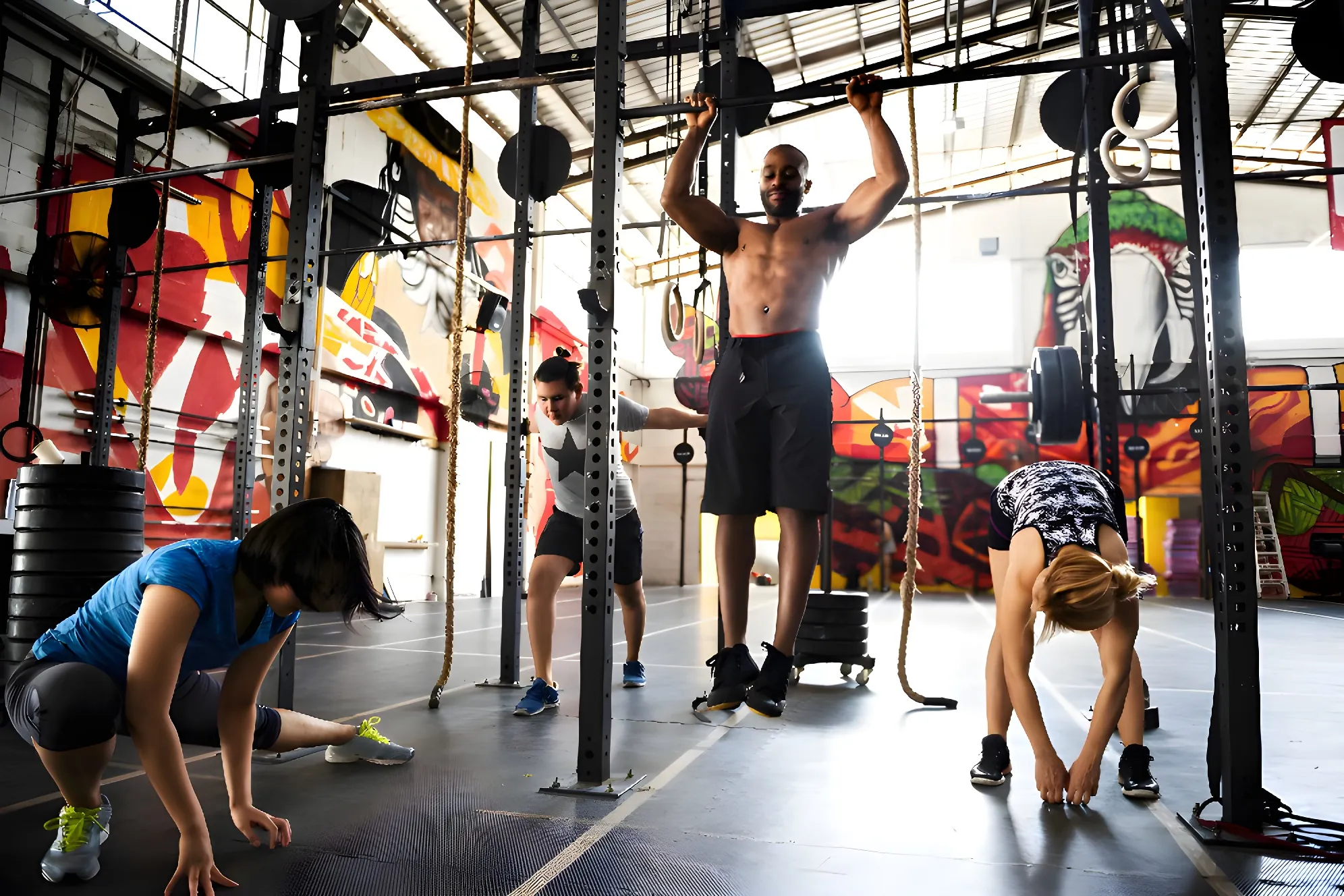
The Difference Between Casual Gym-Goers and Fitness Enthusiasts
Discover the key differences between casual gym-goers and fitness enthusiasts, including workout routines, motivation, fitness goals, nutrition habits, and lifestyle choices.

Not everyone who walks into a gym has the same goals, mindset, or approach to exercise. Some people visit a few times a week to stay active, reduce stress, or maintain their health. Others build much of their routine around training, carefully plan their workouts, track their progress, and spend considerable time learning about fitness.
Both approaches have their advantages. You do not need to spend hours in the gym or follow a strict training program to benefit from regular exercise. At the same time, people who are passionate about fitness may enjoy the challenge of improving their strength, developing new skills, and working toward specific performance goals.
The difference between casual gym-goers and fitness enthusiasts is not simply how much weight they lift or how often they train. It often comes down to motivation, consistency, priorities, and the role exercise plays in everyday life.
Understanding these differences can help you decide which approach suits your lifestyle and how to build a fitness routine you can maintain.
What Is a Casual Gym-Goer?
A casual gym-goer is someone who exercises regularly or occasionally without making fitness the central focus of their life. Their main objective is usually to stay healthy, feel better, manage stress, or maintain a comfortable level of physical activity.
For example, someone might visit the gym on Tuesday and Thursday evenings after work. They may spend 20 minutes on a treadmill, complete a few strength exercises, and finish with some stretching. They enjoy the session but do not necessarily plan every detail in advance.
Casual gym-goers often prefer flexibility. If work becomes busy, friends invite them out, or family responsibilities take priority, they may change their workout schedule without feeling that they have failed.
Common characteristics of casual gym-goers include:
-
Exercising primarily for general health and well-being.
-
Following relatively simple workout routines.
-
Choosing exercises based on personal preference and available time.
-
Taking breaks when their schedules become busy.
-
Paying attention to nutrition without following a highly structured meal plan.
-
Viewing the gym as one part of a broader lifestyle.
Being a casual gym-goer does not mean being lazy or uninterested in progress. Someone can exercise casually for years, maintain a consistent routine, and develop excellent fitness. The defining feature is that training remains flexible and does not demand a major share of their attention.
What Is a Fitness Enthusiast?
A fitness enthusiast is someone who has a strong interest in exercise and actively looks for ways to improve their physical performance, knowledge, or training experience.
For these individuals, fitness is often more than a routine appointment in the calendar. It is a hobby, a personal challenge, and sometimes an important part of their identity.
A fitness enthusiast might follow a structured strength-training program, record every workout, research exercise techniques, and adjust their training based on progress. They may also enjoy learning about nutrition, recovery, mobility, and the science behind physical performance.
For example, someone who wants to improve their squat might track the weight lifted each week, pay attention to technique, and follow a progressive training plan. Rather than choosing exercises at random, they have a clear reason for including each movement.
Common characteristics of fitness enthusiasts include:
-
Setting specific short-term and long-term fitness goals.
-
Following planned workouts and monitoring progress.
-
Learning about training methods, exercise technique, and recovery.
-
Making time for exercise even during busy weeks.
-
Paying closer attention to nutrition and sleep.
-
Exploring different training styles, equipment, and fitness communities.
However, enthusiasm does not automatically mean extreme behavior. A fitness enthusiast can maintain a balanced social life, take regular rest days, and adapt training when necessary. Passion for exercise is most beneficial when it supports overall well-being rather than creating constant pressure.
Casual Gym-Goers vs. Fitness Enthusiasts: Key Differences
Although the two groups share an interest in physical activity, their approaches can differ in several ways.
|
Category |
Casual Gym-Goers |
Fitness Enthusiasts |
|---|---|---|
|
Main motivation |
Health, enjoyment, stress relief |
Progress, performance, mastery, and health |
|
Workout planning |
Flexible and relatively simple |
Often structured around specific goals |
|
Training frequency |
Depends on schedule and preference |
Usually follows a planned schedule |
|
Progress tracking |
May notice general improvements |
Often records weights, repetitions, or performance |
|
Nutrition |
Focuses on general healthy eating |
May plan meals around training needs |
|
Fitness knowledge |
Learns what is needed for personal goals |
Often actively studies training and recovery |
|
Gym equipment |
Uses familiar and preferred equipment |
May explore specialized equipment and methods |
|
Lifestyle impact |
Exercise fits around other priorities |
Fitness may influence more daily decisions |
These are general patterns rather than strict categories. A casual gym-goer may follow an excellent workout plan, while an enthusiastic athlete may prefer simple training sessions.
People can also move between these approaches as their interests and circumstances change.
Differences in Workout Routines and Training Plans
One of the clearest differences between casual gym-goers and fitness enthusiasts is how they organize their workouts.
Casual gym-goers may arrive at the gym and decide what to do based on how they feel that day. If the treadmill is available, they might start with cardio. If they have extra time, they may add a few weight machines or finish with stretching.
This approach can work well for general activity, especially when the person enjoys the process and exercises consistently.
Fitness enthusiasts are more likely to follow a program with a defined purpose. Someone working toward stronger legs might schedule squats, lunges, and other lower-body exercises on specific days. Another person preparing for a 10-kilometer race may organize training around running distance, pace, and recovery.
Structured training can make it easier to monitor progress and identify what needs to change. It can also help prevent workouts from becoming repetitive or unbalanced.
For example, a casual gym-goer might perform three sets of chest presses because the exercise feels familiar. A fitness enthusiast might select a particular variation, choose a suitable number of sets and repetitions, and gradually increase the challenge when their technique and recovery allow it.
Neither method is automatically superior. People seeking specific performance improvements may benefit from more structure, while those who simply want to stay active may find a flexible routine easier to maintain.
Motivation: Enjoyment Versus Measurable Progress
Motivation plays an important role in how people approach the gym.
Casual gym-goers often exercise because it makes them feel good. They may enjoy listening to music while walking on a treadmill, taking a break from work, or feeling more energetic after a workout. Their satisfaction comes from the experience itself rather than from reaching a particular number or performance target.
Fitness enthusiasts may also enjoy exercising, but they often find additional motivation in measurable improvements. Increasing a lifting weight, completing another repetition, improving running pace, or mastering a difficult movement can provide a strong sense of achievement.
Imagine two people finishing the same strength workout. One is happy because they completed their session and feel refreshed. The other checks their training log to see whether they performed more repetitions than last week.
Both responses are valid. The first person values the immediate benefits of exercise, while the second also enjoys evaluating progress over time.
Motivation can change, too. A casual gym-goer may develop a specific goal after noticing improvements in strength. A fitness enthusiast may eventually decide to simplify their routine and exercise primarily for enjoyment.
The most sustainable motivation is often a combination of both: enjoying the process while having goals that provide direction.
How Often Do Casual Gym-Goers and Fitness Enthusiasts Train?
Training frequency can differ between the two groups, but the distinction is not as simple as counting gym visits.
Casual gym-goers may exercise whenever their schedules allow. They might attend two sessions one week, three the next, and take a longer break during a holiday or particularly demanding period.
Fitness enthusiasts are more likely to schedule their workouts in advance. Their weekly routine might include strength training on Monday, Wednesday, and Friday, with cycling or walking on other days.
Some enthusiasts train frequently because they participate in sports, bodybuilding, endurance events, or other activities that require regular practice. Others train only two or three times a week because that frequency fits their goals and recovery needs.
More sessions do not necessarily produce better results. Training quality, appropriate intensity, recovery, experience, and individual circumstances all influence outcomes.
For beginners, establishing a manageable schedule is usually more useful than trying to copy the training volume of an experienced lifter. Consistency over time matters more than completing an exhausting number of sessions in a single week.
Nutrition Habits and Food Choices
Nutrition is another area where differences may appear.
A casual gym-goer might focus on eating balanced meals, drinking enough water, and avoiding habits that leave them feeling sluggish during exercise. They may not calculate calories or track protein because those details are not necessary for their personal goals.
Fitness enthusiasts may pay closer attention to nutrition because they want to support muscle growth, improve athletic performance, or manage body composition. They might plan meals in advance, monitor protein intake, or adjust food choices around training sessions.
For example, someone who lifts weights regularly may include protein-rich foods such as eggs, yogurt, fish, beans, tofu, or chicken in their meals. Someone preparing for an endurance event may pay more attention to carbohydrate intake and hydration to support longer workouts.
However, careful nutrition does not have to mean rigid eating rules. Fitness enthusiasts do not need to avoid every treat, and casual gym-goers can benefit from learning basic nutrition principles.
A healthy approach should be practical and flexible. Food provides energy, supports recovery, and contributes to overall health; it should not become a constant source of guilt or anxiety.
Fitness Knowledge and Interest in Learning
Casual gym-goers often learn enough to feel comfortable with their preferred exercises. They may know how to use familiar machines, adjust treadmill settings, or perform a few basic strength movements safely.
Fitness enthusiasts are more likely to explore the reasons behind their training choices. They may research progressive overload, exercise variations, rest intervals, movement mechanics, and recovery strategies.
This interest can help them make informed decisions. For example, someone who understands progressive overload knows that improvement does not always require adding more weight. They might increase repetitions, improve control, or use a suitable range of motion to make an exercise more challenging.
Fitness enthusiasts may also follow qualified coaches, read educational material, or seek advice from personal trainers. However, spending more time researching fitness does not guarantee accurate knowledge. Online advice varies in quality, and popular claims are not always supported by good evidence.
Regardless of experience level, learning correct technique and understanding personal limitations are valuable skills. Beginners do not need to know everything before starting, but they should ask for help when they are unsure how to use equipment or perform an exercise safely.
The Role of Fitness in Everyday Life
For casual gym-goers, exercise is generally one activity among many. Work, family, friendships, travel, and other interests may determine when they can train. Missing a session is often a minor scheduling issue rather than a major concern.
Fitness enthusiasts may organize more of their lives around training. They might choose a gym near work, prepare their workout clothes the night before, plan their evenings around exercise, or prioritize adequate sleep before a demanding session.
This level of organization can make it easier to stay consistent. Preparing in advance removes some of the small decisions that otherwise make exercise difficult to fit into a busy day.
For instance, someone who knows they will have a long day at work may pack their gym bag in the morning and book an evening class. By deciding ahead of time, they reduce the temptation to skip the session simply because they are tired of making decisions.
However, fitness should not consistently interfere with relationships, responsibilities, or recovery. A flexible schedule is important for everyone, including highly dedicated gym members.
The healthiest fitness routine is one that supports a person's life rather than requiring every other part of life to revolve around exercise.
Social Life and Gym Community
Some casual gym-goers prefer to exercise independently. They put on headphones, complete their routine, and leave without interacting much with other members.
Others enjoy socializing at the gym, especially when they attend group classes or train with friends. Their main goal may still be general health, but the social environment makes exercise more enjoyable.
Fitness enthusiasts may participate more actively in fitness communities. They might exchange training advice, follow specialist coaches, join running clubs, attend strength competitions, or discuss workout methods with other people who share their interests.
These communities can provide encouragement and help members learn from one another. A training partner may also offer useful feedback on technique or help someone remain accountable to a training schedule.
Nevertheless, social involvement is not a reliable measure of commitment. Someone who trains quietly and independently can be just as dedicated as someone who spends time discussing fitness with other members.
A positive gym environment makes room for different personalities, experience levels, and goals.
Equipment Choices and Training Preferences
Casual gym-goers often return to equipment they know and enjoy. This might include treadmills, stationary bikes, elliptical machines, dumbbells, or familiar resistance machines.
Fitness enthusiasts may experiment with a wider range of equipment depending on their interests. A strength-focused member might use barbells, squat racks, cable machines, and specialized accessories. Someone interested in functional fitness might explore kettlebells, medicine balls, sleds, and bodyweight exercises.
The choice of equipment usually reflects the goal rather than the person's level of commitment alone.
For example, a beginner who wants to build strength can make progress with basic dumbbells and resistance machines. An experienced lifter may use more specialized equipment to address a particular training need, but that equipment is not essential for everyone.
Good results depend on choosing appropriate exercises, learning to perform them correctly, and applying a suitable level of challenge. The most expensive or complicated equipment is rarely necessary simply to become fitter.
Can a Casual Gym-Goer Become a Fitness Enthusiast?
Absolutely. The transition often happens naturally as someone becomes more comfortable with exercise and discovers new interests.
A person might begin by visiting the gym twice a week to improve general health. After a few months, they notice that their strength is increasing and decide to learn more about resistance training. They start recording their workouts, experimenting with new exercises, and setting specific goals.
Over time, what began as a simple health habit may develop into a genuine passion.
The opposite can happen as well. Someone who once trained intensively may later choose a simpler routine because of a new job, family responsibilities, or changing priorities. They may continue exercising consistently without wanting to track every detail.
Neither transition represents success or failure. Fitness goals should adapt to the circumstances of life.
If you want to become more engaged with training, you can start with a few simple steps:
-
Choose one clear goal. For example, improve your strength, develop better cardiovascular endurance, or become more comfortable with basic exercises.
-
Create a manageable plan. Decide which days you will train and what each session will involve.
-
Track a small amount of progress. Recording exercises, repetitions, or workout duration can help you recognize improvement.
-
Learn proper technique. Ask a qualified trainer for help when necessary rather than relying entirely on short online videos.
-
Review your routine periodically. Adjust your goals as your fitness, schedule, and interests change.
You do not need to become obsessed with fitness to benefit from a more organized approach. A little structure can improve consistency while leaving plenty of room for other interests.
Which Approach Is Better: Casual Gym-Goer or Fitness Enthusiast?
Neither approach is universally better. The right choice depends on what you want from exercise and how much time and attention you want to devote to it.
A casual approach may be ideal if your priorities are staying active, reducing stress, supporting general health, and enjoying movement without strict expectations. It allows you to maintain a routine while balancing other commitments.
A more enthusiastic approach may suit you if you enjoy learning about exercise, pursuing measurable improvements, participating in sports, or working toward challenging performance goals.
The key is to match your approach to your needs.
|
Your priority |
Approach that may suit you |
|---|---|
|
Staying active with a busy schedule |
Flexible, simple workouts |
|
Building strength systematically |
Structured resistance training |
|
Exercising mainly for enjoyment |
Activities you look forward to |
|
Preparing for a sporting event |
Goal-specific training |
|
Maintaining long-term consistency |
A realistic routine with room for change |
|
Learning more about exercise |
Gradual skill development and reliable educational resources |
You can also combine both approaches. For example, you might follow a structured strength program three days a week while keeping weekends flexible for walking, swimming, or spending time with friends.
This combination can provide direction without making exercise feel like another full-time responsibility.
What's Your Reaction?