The Rise of Fitness Influencers and Gym Culture
Discover how fitness influencers have transformed modern gym culture, shaped workout trends, inspired healthier lifestyles, and changed the way people approach fitness on social media.

Fitness has become much more than lifting weights, running on a treadmill, or following a workout routine. Today, it is also a major part of online culture, with millions of people sharing their training sessions, fitness journeys, nutrition habits, and personal transformations on social media. At the center of this movement are fitness influencers, whose content has changed how people discover workouts, choose fitness products, and think about their bodies.
Platforms such as Instagram, TikTok, and YouTube have made fitness information more accessible than ever. Someone who has never stepped inside a gym can now watch exercise tutorials, follow beginner workout plans, and learn about strength training from creators around the world. For many people, this online content provides the motivation they need to start exercising.
However, the rise of fitness influencers has also introduced new challenges. Unrealistic body expectations, questionable advice, and constant comparisons can sometimes make the fitness journey more stressful than it needs to be. Understanding how influencers shape gym culture helps us recognize both the benefits and the drawbacks of this growing trend.
How Fitness Influencers Became So Popular
Not long ago, people often relied on personal trainers, fitness magazines, or friends for workout advice. Access to professional guidance could be limited by location, cost, and availability. Social media changed this by allowing fitness enthusiasts to share their experiences with a much larger audience.
Early fitness creators often focused on bodybuilding, weightlifting, and detailed training videos. As social platforms developed, fitness content became more varied. Today, creators share everything from home workouts and mobility routines to powerlifting competitions, gym fashion, meal preparation, and everyday lifestyle content.
One reason for their popularity is relatability. Many followers enjoy watching someone progress from a beginner to a more experienced athlete. Instead of seeing only professional models or elite competitors, audiences can discover creators who discuss their struggles, missed workouts, injuries, and gradual improvements.
The personal nature of social media also helps build a sense of connection. Followers may feel that they know a creator through daily updates, training advice, and conversations in the comments. Over time, this connection can turn an individual fitness account into a community with shared goals and interests.
How Social Media Has Changed Gym Culture
Modern gym culture is no longer limited to what happens inside a fitness center. Online communities influence workout choices, clothing preferences, exercise techniques, and even the music people listen to during training.
Workout Trends Spread Faster Than Ever
A single viral video can introduce an exercise or training method to millions of viewers within days. Short videos make it easy to demonstrate movements, explain workout routines, and share fitness challenges.
This can encourage people to try new activities they might never have considered otherwise. Someone who discovers a beginner strength-training routine online may feel more comfortable starting at a local gym. Another person might find an interest in Pilates, calisthenics, powerlifting, or functional training through a creator's content.
However, popularity does not necessarily mean a workout is effective or appropriate for everyone. An exercise that works well for an experienced athlete may be unsuitable for a beginner or someone with particular physical limitations. Fitness trends are best treated as ideas to explore rather than routines that everyone must follow.
The Gym Has Become a Social Space
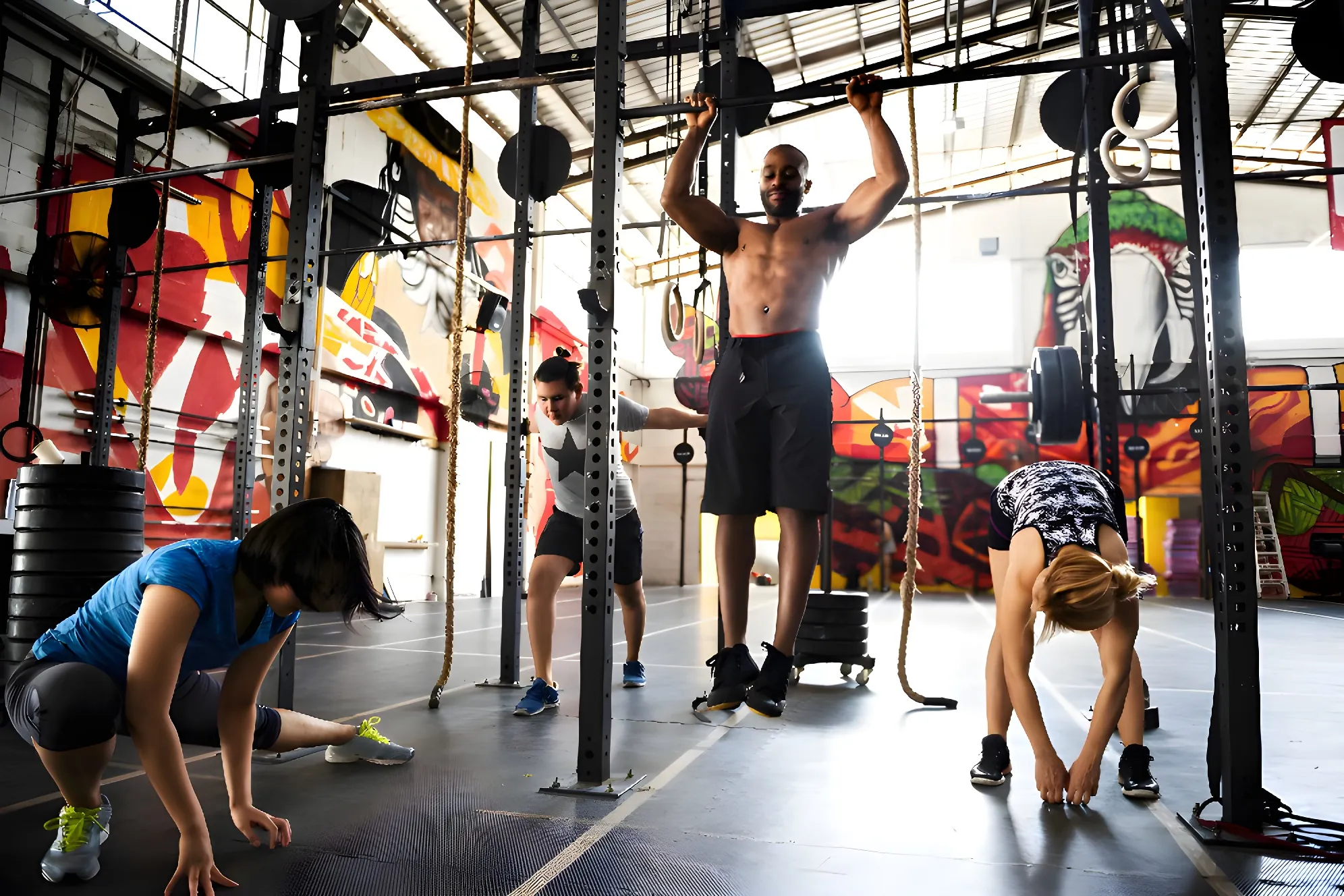
Fitness influencers have helped turn the gym into a lifestyle setting rather than simply a place to exercise. Gym-related content frequently includes workout partners, post-training meals, fitness clothing, recovery routines, and conversations about discipline.
This broader view of fitness can make exercise feel more enjoyable. People may join a gym because they want to become stronger, but they can also discover friendships, a supportive community, and a sense of belonging.
At the same time, the growing social aspect of gym culture can create pressure to look or behave a certain way. Some people feel that they need the right clothes, an impressive physique, or an aesthetically pleasing workout routine to fit in. In reality, a gym should be a place where people with different backgrounds, body types, and experience levels can work toward their own goals.
The Positive Influence of Fitness Creators
Fitness influencers can offer genuine value when they share responsible information and encourage realistic expectations. Their impact goes beyond motivating people to lift heavier weights or exercise more frequently.
Making Fitness More Accessible
One of the biggest advantages of online fitness content is its accessibility. Beginners can learn basic movements, understand common gym terminology, and explore different training styles before committing to a particular routine.
Free videos can also help people who cannot afford regular personal training sessions. A well-explained demonstration of a squat, for example, can help viewers understand the movement before practicing it themselves.
Still, online videos cannot fully replace individualized coaching. A creator cannot necessarily assess a viewer's technique, training history, mobility, or medical circumstances through a general post. Beginners should start with manageable exercises and seek qualified guidance when they need help with technique or have specific concerns.
Encouraging Consistency and Motivation
Staying consistent with exercise is often harder than getting started. Work, family responsibilities, low energy, and busy schedules can make it difficult to maintain a routine.
Fitness creators can provide encouragement by showing how they organize their training, overcome setbacks, and return to exercise after a break. Progress updates can remind followers that improvement takes time and that missing one workout does not mean failure.
Some creators also share realistic accounts of their fitness journeys, including periods when progress slows down. This kind of honesty can be especially helpful because it presents exercise as a long-term habit rather than a short-term transformation project.
The most useful motivation is the kind that encourages people to develop their own routines instead of relying entirely on someone else's daily updates.
Building Supportive Fitness Communities
Online fitness communities allow people to connect with others who share similar interests. Someone training for their first 5K, learning to lift weights, or working toward a strength goal can find encouragement from people facing similar challenges.
These communities can help make fitness feel less isolating. Members may exchange practical tips, celebrate milestones, and discuss how they balance exercise with everyday responsibilities.
Of course, not every online community is supportive. Some focus heavily on competition, appearance, or extreme training habits. Choosing communities that promote respect, realistic progress, and healthy behavior can make a meaningful difference to the overall experience.
The Pressure to Look Perfect on Social Media
While fitness influencers can inspire positive changes, appearance-focused content can also create unrealistic expectations. Many fitness posts feature carefully selected lighting, flattering camera angles, edited images, and physiques that require years of training and significant lifestyle commitments.
When followers see these images repeatedly, they may begin to compare their everyday appearance with someone else's carefully presented content. This can make normal physical differences seem like personal shortcomings.
The problem becomes more complicated when a creator presents one body type as the ideal result of discipline. People respond differently to exercise because of genetics, age, training history, nutrition, sleep, and other factors. Two individuals can follow similar routines and still develop very different physiques.
A healthy approach to fitness should leave room for different goals. One person may want to build muscle, another may want to improve cardiovascular endurance, and someone else may simply want to feel more energetic. None of these goals requires copying an influencer's appearance.
It is also worth remembering that social media rarely shows the complete picture. A photograph cannot explain someone's training history, daily routine, professional support, or the circumstances behind their results.
Fitness Advice: How to Separate Facts From Trends
The popularity of fitness content means that useful advice and misleading claims often appear side by side. Some creators have relevant qualifications and explain the reasoning behind their recommendations. Others rely mainly on personal experience or promote products without providing enough context.
Before following a fitness recommendation, consider a few important questions:
-
Does the creator have relevant expertise? Look for appropriate qualifications and experience, especially when the content involves exercise technique, injury prevention, or specialized training.
-
Is the advice realistic? Be cautious of promises that guarantee dramatic results in a few days or claim that one exercise can solve every fitness problem.
-
Does the creator explain the limitations? Responsible advice acknowledges that people have different needs and that no single routine works equally well for everyone.
-
Is a product being promoted? Sponsored content and affiliate links do not automatically make advice unreliable, but commercial interests should be clear.
-
Does the recommendation encourage safe habits? Extreme dieting, excessive training, and ignoring pain should not be treated as proof of dedication.
Fitness is not a field where the most confident person online is automatically the most knowledgeable. Taking time to evaluate information can help people make better decisions about their training.
The Business Behind Fitness Influencing
Fitness influencing has also become a significant part of the broader fitness industry. Creators can earn income through brand partnerships, sponsored posts, affiliate marketing, online coaching, training programs, merchandise, and subscription-based communities.
For brands, influencers provide a way to introduce products to audiences who already have an interest in exercise and wellness. A creator who regularly discusses strength training may promote gym equipment, while another who focuses on running may work with athletic footwear brands.
This business model can benefit both creators and followers when products are relevant and promotions are transparent. Experienced trainers can use online platforms to reach clients, while smaller fitness brands can connect with communities that traditional advertising might not reach as effectively.
However, commercial incentives can also affect the information audiences receive. A creator who earns money from supplements, workout plans, or fitness equipment may have a financial reason to emphasize certain products.
Followers should distinguish between an honest product review and a sales pitch. A supplement or training program is not automatically necessary just because a popular creator recommends it. The value of any purchase depends on individual needs, evidence, budget, and personal circumstances.
How Fitness Influencers Affect Beginners
For people who are new to the gym, fitness influencers can make the first steps feel less intimidating. Watching someone explain how to adjust a machine or structure a simple workout may reduce uncertainty before a first visit.
Beginners can also discover that there is no single correct way to enjoy exercise. Some people prefer traditional weight training, while others enjoy group classes, cycling, swimming, or bodyweight workouts. Seeing this variety can help newcomers find an activity that suits their interests.
On the other hand, beginners may feel overwhelmed by the sheer volume of information online. One creator recommends training five days a week, another promotes a different routine, and a third insists that a particular diet is essential. Conflicting opinions can make it difficult to know where to begin.
A practical solution is to keep the first steps simple. Choose a manageable routine, learn the basic movements, and focus on building consistency before worrying about advanced techniques or specialized programs. A qualified trainer can provide useful guidance when needed.
Most importantly, beginners should remember that social media often highlights exceptional results rather than ordinary progress. Learning an exercise, attending the gym regularly, and gradually becoming more comfortable are meaningful achievements in their own right.
Finding a Healthy Balance Between Inspiration and Comparison
Fitness content can be a valuable source of ideas, but it should support real-life habits rather than replace them. The goal is to use social media in a way that makes exercise more enjoyable and sustainable.
One useful strategy is to follow creators whose content matches your goals. If you want to improve strength, look for informative training advice rather than accounts focused exclusively on appearance. If you are a beginner, prioritize clear explanations and realistic routines over advanced workouts designed for experienced athletes.
It can also help to pay attention to how certain accounts make you feel. If following a creator consistently leads to frustration, unhealthy comparisons, or pressure to change your body quickly, consider muting or unfollowing that account.
Another important step is to measure progress in ways that are not limited to photographs or body weight. Improvements in strength, stamina, movement quality, sleep, and confidence can all reflect positive changes.
Finally, remember that the best workout routine is one that fits your life. You do not need to record every session, follow every trend, or turn your fitness journey into content. Exercise can remain valuable even when nobody else sees it.
The Future of Fitness Influencers and Gym Culture
Fitness influencing will likely continue to evolve as social media platforms, digital training tools, and online communities develop. Content is already becoming more specialized, with creators focusing on areas such as mobility, endurance sports, strength development, active aging, and accessible exercise.
There is also growing room for more realistic discussions about recovery, rest, mental well-being, and sustainable habits. Instead of presenting fitness as a constant pursuit of physical perfection, creators can help audiences understand the importance of balance and long-term health.
Technology may make online training more interactive, but trust will remain essential. Audiences are likely to benefit most from creators who explain their recommendations clearly, acknowledge the limits of their expertise, and avoid exaggerated promises.
The future of gym culture will not be shaped by influencers alone. Trainers, gym owners, athletes, healthcare professionals, and everyday fitness enthusiasts all contribute to the way people understand exercise. Social media is simply one part of a much larger conversation about movement, health, and community.
What's Your Reaction?