The Unwritten Rules of Every Modern Gym
Discover the unwritten rules of modern gym etiquette, from sharing equipment and respecting personal space to cleaning machines, managing rest periods, and creating a welcoming workout environment.
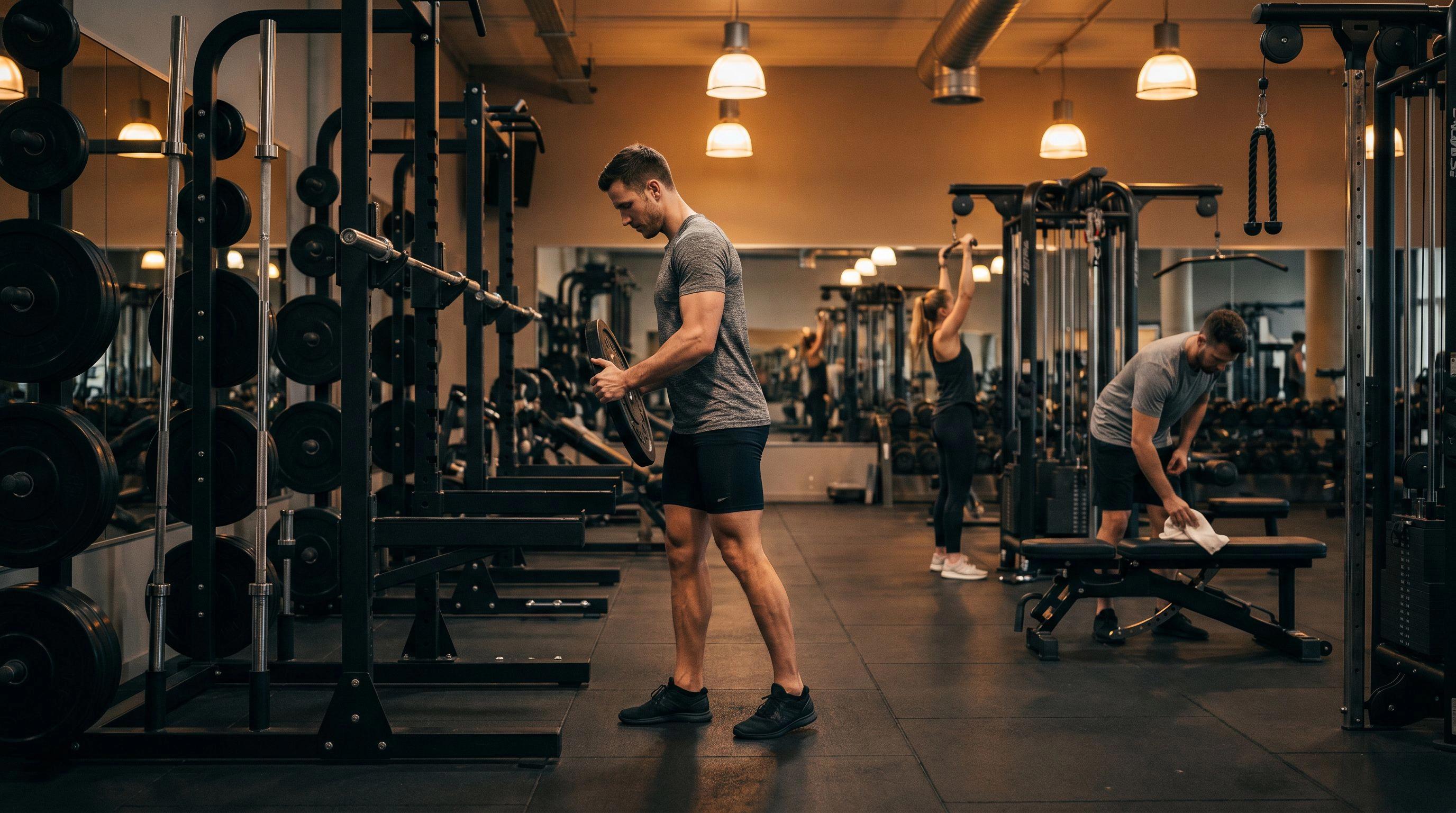
Every modern gym has its official rules, usually displayed near the entrance, locker rooms, or workout areas. These rules cover membership policies, equipment safety, appropriate clothing, and basic facility use. However, some of the most important expectations are never written down. They are the everyday habits that help people share the same space without unnecessary frustration.
Gym etiquette goes beyond knowing how to use a treadmill or return a dumbbell to its rack. It involves recognizing that everyone has different goals, schedules, experience levels, and comfort zones. Someone might be preparing for a powerlifting competition, while another person is trying to build a consistent exercise habit after years away from fitness.
Understanding the unwritten rules of every modern gym can make workouts more enjoyable, prevent common disagreements, and help create an environment where everyone feels comfortable training.
1. Always Put Equipment Back Where It Belongs
One of the most basic unwritten rules of gym etiquette is returning equipment after use. Dumbbells, weight plates, resistance bands, kettlebells, and other accessories should go back to their designated locations.
Leaving a pair of 20-pound dumbbells beside a bench might seem harmless, but it creates problems for the next person. Someone looking for those weights may have to search several areas, while unattended equipment can become a tripping hazard.
The same principle applies to weight plates. If you finish using a barbell loaded with multiple plates, remove them and return them to the appropriate storage pegs.
A well-organized gym benefits everyone. It allows members to move efficiently between exercises, reduces clutter, and makes it easier for staff to maintain the facility.
The simple rule: If you take it out, put it back when you finish.
2. Do Not Treat Gym Equipment as Your Personal Property
During busy hours, popular machines and benches can be difficult to find. This is why sharing equipment is an essential part of gym culture.
Using a bench for several exercises is perfectly reasonable, especially when your workout requires multiple sets. However, occupying several machines simultaneously while other members are waiting can create unnecessary tension.
For example, setting up a bench, a cable station, and a leg extension machine for a circuit may be convenient when the gym is quiet. During the evening rush, however, other members may need those same stations.
Be aware of how busy the gym is and adjust your routine when necessary. If someone asks to work in between your sets, consider whether you can safely share the equipment.
Working in means allowing another person to use the equipment during your rest periods. It works particularly well with adjustable machines, dumbbells, and some cable stations, provided both users can maintain safe settings and appropriate hygiene.
Sharing is not always practical with heavy barbell lifts or exercises that require substantial equipment adjustments. In those situations, a polite explanation and a reasonable alternative are usually enough.
3. Clean Equipment After Sweating
Modern gyms often provide disinfectant spray, paper towels, or cleaning stations because equipment is used by many different people throughout the day.
Wiping down a bench, seat, or machine after use is a simple courtesy, particularly when you have left visible sweat behind. It also helps maintain a cleaner training environment for everyone.
Focus on the surfaces you actually touched, including seat pads, backrests, and handles. Follow the facility's cleaning instructions rather than spraying products directly onto electronic displays or sensitive equipment.
Cleaning equipment is not about expecting every machine to remain completely untouched. It is about leaving the space in a reasonable condition for the next person.
Remember that hygiene also includes your own habits. Clean workout clothes, a suitable towel, and basic personal care can make shared training spaces more comfortable.
4. Respect Personal Space and Avoid Unnecessary Interruptions
A gym can be crowded, but that does not mean personal space stops mattering.
When someone is lifting weights, running on a treadmill, or performing a movement that requires balance, avoid standing directly in their path. Give them enough room to move safely, especially around barbells and dumbbells.
Walking directly in front of someone while they are looking in a mirror can also be distracting. Mirrors are often used to check posture and technique, so try to pass behind the person when possible.
The same consideration applies to conversations. Someone wearing headphones, looking at a training plan, or concentrating between sets may not want to talk.
If you need to ask a question, wait for an appropriate moment and keep it brief. If the person gives a short answer or returns to their workout, allow them to continue without taking it personally.
Respecting personal space does not make a gym unfriendly. It helps everyone feel safe enough to focus on their training.
5. Understand That Rest Periods Are Part of the Workout
One common source of frustration in modern gyms is the assumption that someone resting between sets is wasting time.
In reality, rest periods are an important part of many training programs. Someone performing heavy squats or bench presses may need several minutes to recover before the next set. Shorter rest periods may be suitable for other exercises, depending on the person's goals.
A person checking their phone between sets is not necessarily ignoring their workout. They might be tracking repetitions, reviewing a training plan, adjusting a timer, or recording their progress.
However, rest periods do not give anyone unlimited rights to occupy equipment without consideration for others.
If you need a machine and someone appears to be resting for an unusually long time, politely ask whether they are still using it. Avoid assuming that they have finished simply because they are sitting down.
Good gym etiquette recognizes both sides: people deserve adequate recovery time, and shared equipment should remain accessible whenever practical.
6. Keep Phone Use Under Control
Smartphones have become a normal part of modern gym culture. Fitness apps help people track workouts, record progress, follow exercise demonstrations, and monitor rest periods.
The problem is not using a phone. It is allowing phone use to interfere with shared equipment, safety, or other members' comfort.
For example, sitting on a popular chest press machine for ten minutes while scrolling through social media can frustrate people who are waiting to train. Recording videos without considering who appears in the background can also make others uncomfortable.
A few simple habits help:
-
Use your phone to track sets, repetitions, and rest periods when needed.
-
Avoid prolonged scrolling while occupying busy equipment.
-
Keep the volume muted unless you are using headphones.
-
Never assume that other members consent to being filmed.
-
Stay aware of your surroundings when recording an exercise.
If you want to film your technique, position your camera carefully and follow the gym's recording policy. Some facilities restrict filming in certain areas, particularly around changing rooms and other private spaces.
Technology can support a better workout, but it should not come at the expense of other members' privacy or access to equipment.
7. Never Assume Someone Wants Fitness Advice
Gyms bring together people with different levels of experience. Some members have trained for years, while others are still learning basic movements.
It can be tempting to correct someone's technique or recommend a different exercise, especially when you believe your advice could help. However, unsolicited coaching can make people feel embarrassed or judged.
A person performing an unfamiliar exercise might be following instructions from a qualified trainer, working around an injury, or using a variation that serves a particular purpose.
Unless someone asks for help, avoid stepping in to correct their workout. If you notice a clear and immediate safety concern, a brief, respectful warning may be appropriate. For more complex technique questions, encourage the person to consult a qualified trainer.
There is a difference between being helpful and taking responsibility for someone else's training.
The best gym environments allow members to learn at their own pace without feeling watched or criticized.
8. Use Gym Mirrors Considerately
Mirrors serve a practical purpose in many training areas. They can help members observe their posture, check body positioning, and monitor movement during exercises.
However, mirror access can become an issue when someone stands directly in front of another person who is using the reflection.
Imagine performing dumbbell lateral raises while someone begins posing or recording a video directly in front of you. Even if they do not intend to interfere, they can block your view and make the exercise more difficult.
Before settling into a spot, take a quick look around. If another person is already using that space, choose a different position when possible.
At the same time, remember that mirrors are shared resources. No single member has exclusive ownership of an entire mirror wall.
Being aware of your surroundings is usually enough to prevent awkward situations.
9. Do Not Slam Weights Just to Make a Statement
Some exercises involve heavy loads, and certain training styles produce more noise than others. A controlled barbell set may sound different from a light dumbbell workout, and not every sound can be avoided.
Still, deliberately dropping weights, throwing dumbbells onto the floor, or repeatedly slamming machine stacks can disturb other members and damage equipment.
Noise can also make it harder for people to hear instructions, communicate with training partners, or concentrate on challenging movements.
Follow the gym's rules about dropping weights. Some facilities have designated platforms and equipment designed for controlled drops, while others require members to lower weights carefully.
If you are lifting heavy, prioritize proper technique and use equipment appropriate for the exercise. You do not need to make every set loud to demonstrate effort.
A focused workout is about the quality of the training, not how much attention it attracts.
10. Respect Different Fitness Goals and Body Types
One of the most important unwritten rules of a modern gym is that everyone has a reason for being there.
Some people want to build muscle. Others focus on cardiovascular fitness, mobility, rehabilitation, athletic performance, or general health. There are also members who simply want to feel stronger and establish a regular exercise routine.
These goals do not need to be compared.
Avoid making comments about someone's weight, body shape, lifting ability, or apparent level of fitness. Even comments intended as compliments can be unwelcome when they focus on a person's body rather than their effort.
For example, telling someone that they are finally looking fit may sound encouraging to you but could be interpreted as criticism of how they looked previously.
More thoughtful encouragement focuses on effort and consistency. A simple "Nice work" after a shared class or a respectful acknowledgment of someone's progress can be appropriate when the interaction feels natural.
A welcoming gym is not one where everyone follows the same program. It is one where people with different goals can train without being judged.
11. Be Honest About Whether You Are Using Equipment
During busy periods, it is not always obvious whether a machine is available. Someone might be resting nearby, filling a water bottle, or preparing for their next set.
If another member asks whether you are using a bench or machine, respond clearly. If you are taking a short break and plan to continue, let them know. If you have finished, say so and free up the equipment.
Avoid leaving a towel or water bottle on several stations to reserve them while you train elsewhere.
Likewise, do not assume that an unattended machine is available if someone's belongings and training setup suggest they are still using it. Ask before moving their items or adjusting the equipment.
Clear communication prevents unnecessary misunderstandings and helps everyone manage their workout more efficiently.
12. Be Friendly Without Expecting Everyone to Socialize
The gym can be a social place, but it is also a personal space for many members.
Some people enjoy chatting between sets, attending group classes, and building friendships with other regulars. Others use exercise to unwind after work, manage stress, or spend time away from their daily responsibilities.
Both approaches are perfectly reasonable.
A friendly greeting can make the gym feel more welcoming, but nobody should feel obligated to have a conversation. Respecting someone's preference for quiet training is just as important as being open to social interaction.
If you want to meet people, start with natural conversations and pay attention to their responses. If someone seems interested, continue talking. If they prefer to focus, let the interaction end comfortably.
Healthy gym culture creates room for both community and independence.
13. Follow the Rules of Shared Training Areas
Different areas of a gym have different expectations. A free-weight section, stretching zone, cardio area, and group exercise studio may each require slightly different behavior.
In a free-weight area, avoid leaving plates on the floor or standing too close to someone performing a lift. In a stretching area, do not spread your belongings across several mats when the space is busy.
Cardio machines generally should not be occupied indefinitely when other members are waiting, particularly when the facility has posted time limits during peak hours.
Group classes require their own consideration. Arrive on time, follow the instructor's directions, and avoid setting up in a way that blocks other participants.
If you are unsure about a rule, ask a member of staff rather than relying on assumptions. Gym policies vary, and what is acceptable in one facility may not be permitted in another.
Being considerate means adapting your behavior to the space you are sharing.
14. Know When to Ask for Help
Although independence is valued in many gyms, asking for help is not a sign of weakness.
If you are unfamiliar with a machine, unsure how to adjust a bench, or uncertain about a facility's safety procedures, asking a staff member is often the best choice.
The same applies when you need a spotter for a challenging lift. A spotter helps monitor a lift and provides assistance if the lifter cannot complete a repetition safely. However, spotting requires clear communication, so explain what you need before starting the set.
Do not assume that every person nearby is qualified or available to help. Ask politely and accept their answer.
Likewise, if another member asks for assistance and you are comfortable providing it, be clear about what you can safely do. If you are uncertain, direct them to a qualified trainer.
A respectful gym community makes it easier for people to ask questions before a small uncertainty becomes a safety problem.
15. Leave the Gym Better Than You Found It
The final unwritten rule brings all the others together: take responsibility for your impact on the shared environment.
That does not mean you must clean the entire facility or manage other members' behavior. It means taking care of the equipment you use, following posted policies, respecting other people's time, and communicating courteously.
A few small actions can make a meaningful difference. Returning a misplaced dumbbell, wiping down a bench, allowing someone to work in, or giving a beginner space to learn all contribute to a better atmosphere.
Staff members maintain the facility, but everyday member behavior also influences how comfortable and organized the gym feels.
When people consistently respect shared spaces, the result is a more pleasant environment for everyone, regardless of experience or fitness level.
Why Gym Etiquette Matters More Than Ever
Modern gyms serve a wide range of people. Traditional weightlifting facilities now coexist with boutique studios, large fitness clubs, functional training spaces, and gyms that combine strength equipment with digital workout systems.
As membership grows more diverse, people bring different expectations about noise, equipment sharing, personal space, and social interaction. Unwritten rules help bridge those differences.
They also make gyms more accessible to beginners. Someone who is unfamiliar with fitness equipment may already feel nervous about entering a new environment. Finding organized equipment, receiving respectful treatment, and being allowed to learn without unwanted attention can make the experience much easier.
Good etiquette also benefits experienced lifters. It reduces interruptions, helps equipment remain available, and makes it easier to focus on demanding training sessions.
Ultimately, gym culture is shaped by everyday behavior. The way members treat one another can be just as important as the equipment, facilities, and workout programs a gym offers.
What's Your Reaction?


