What Is Gym Culture and Why Has It Become So Popular?
Discover what gym culture means, why fitness communities are growing, and how social media, strength training, and healthy lifestyle habits have made going to the gym a major part of modern life.
What Is Gym Culture?
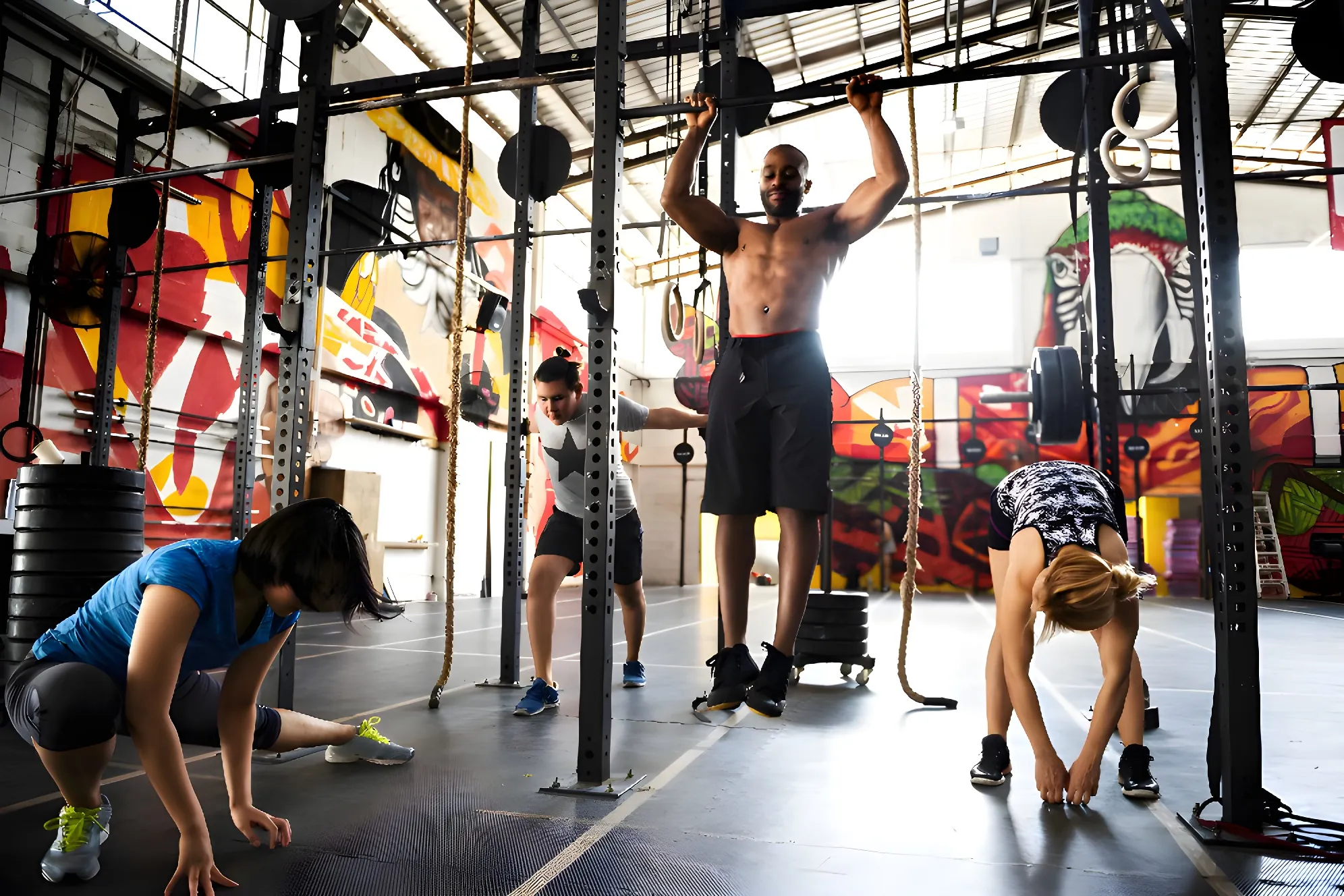
Gym culture is more than lifting weights, running on a treadmill, or following a workout plan. It is a lifestyle built around fitness, personal progress, discipline, and the shared experience of working toward physical goals. For some people, the gym is a place to build muscle or lose weight. For others, it provides structure, social interaction, stress relief, and a sense of belonging.
Over the past decade, gym culture has become increasingly visible in everyday life. Fitness is no longer limited to professional athletes or bodybuilding enthusiasts. Students, office workers, parents, beginners, and people of different ages are making exercise part of their routines. Social media has also helped transform the gym into a cultural space where training methods, personal achievements, fashion, music, and fitness trends come together.
But what exactly makes gym culture so popular? The answer involves more than physical appearance. It reflects changes in how people approach health, personal development, social relationships, and everyday habits.
The Meaning of Gym Culture
Gym culture refers to the habits, values, attitudes, and social behaviors associated with working out and spending time in fitness environments. It includes everything from respecting other people's space and sharing equipment to celebrating strength gains and encouraging training partners.
One of the defining features of gym culture is the emphasis on progress. Progress can mean lifting a heavier weight, completing an extra repetition, improving cardiovascular endurance, or simply showing up consistently after a difficult day.
For example, someone who starts training with a pair of light dumbbells may gradually develop the strength and confidence to perform more challenging exercises. That process creates a feeling of achievement that extends beyond the workout itself.
Gym culture also has its own language. Terms such as PR (personal record), progressive overload, bulking, cutting, and leg day are commonly used among fitness enthusiasts. Understanding these expressions can help newcomers feel more comfortable in the gym and communicate with other people who share similar interests.
However, gym culture does not look the same everywhere. Some gyms focus on bodybuilding and heavy lifting, while others emphasize functional training, group classes, general fitness, or a welcoming environment for beginners.
Why Has Gym Culture Become So Popular?
Several factors have contributed to the growing popularity of gym culture. Changes in lifestyle, increased access to fitness information, and the influence of online communities have all played a role.
1. People Are Becoming More Interested in Health and Fitness
Many people now view exercise as an important part of maintaining a healthy lifestyle rather than an activity reserved for athletes. Regular physical activity can support cardiovascular health, muscular strength, mobility, and overall physical function.
Strength training has also gained attention because it offers benefits beyond building visible muscle. Developing stronger muscles can make everyday activities, such as carrying groceries, climbing stairs, or lifting objects, easier to manage.
For people who spend most of the day sitting at a desk, joining a gym can provide a structured opportunity to move more regularly. Even a simple routine involving resistance exercises and moderate cardio can become a valuable part of a balanced lifestyle.
The growing interest in health has helped make gym membership a common choice for people with different fitness levels and personal goals.
2. Social Media Has Changed the Way People Experience the Gym
Social media has had a major influence on modern gym culture. Platforms such as Instagram, TikTok, and YouTube allow people to share workout routines, training progress, exercise demonstrations, and personal fitness stories with large audiences.
A beginner who has never used a squat rack can now watch demonstrations before visiting a gym. Someone struggling to organize a weekly workout schedule can find explanations of full-body training, push-pull-legs routines, and other popular approaches.
Online fitness communities can also provide encouragement. Seeing someone document their progress over several months may inspire others to become more consistent with their own training.
However, social media has a less positive side. Carefully edited transformation photos, unrealistic body standards, and misleading supplement claims can create unnecessary pressure. Some fitness content also presents advanced training methods without explaining the experience or preparation they require.
It is important to remember that the most impressive fitness content does not always represent the most effective or sustainable approach. A routine that suits one person's schedule, experience, and goals may not work equally well for someone else.
3. The Gym Offers a Sense of Personal Achievement
One reason people continue going to the gym is that progress can be measured in practical ways.
A person might begin by performing five controlled push-ups and eventually complete fifteen. Another might improve their squat technique, increase their walking endurance, or become more comfortable using unfamiliar equipment.
These improvements provide clear signs that effort is producing results.
Unlike some personal goals that depend heavily on external circumstances, gym training allows people to focus on actions they can control. They can plan their sessions, record their workouts, and gradually adjust their training as they become stronger.
This sense of achievement can help build confidence and encourage consistency. It also explains why many experienced gym-goers continue training even after reaching their initial physical goals.
For them, fitness becomes an ongoing process rather than a short-term project.
4. Gym Communities Create a Sense of Belonging
Although many people train alone, the gym can also be a social environment.
Regular visitors often recognize familiar faces, exchange training advice, or develop friendships with people who share similar interests. Training partners may help each other maintain proper technique, stay accountable, and remain motivated during difficult sessions.
Group fitness classes provide another way to connect with others. Activities such as indoor cycling, circuit training, and group strength sessions create shared experiences that can make exercise more enjoyable.
A supportive gym environment can be particularly helpful for beginners who feel nervous about starting. Seeing people of different ages, body types, and experience levels working toward their own goals can make the experience feel more approachable.
Of course, not every gym has the same atmosphere. Some people prefer quiet spaces where they can concentrate, while others enjoy busy environments with music and plenty of social interaction. The best setting is often the one that helps someone feel comfortable and return consistently.
5. Fitness Has Become Part of Personal Identity
For many enthusiasts, gym training eventually becomes more than something they do a few times each week. It becomes part of how they organize their time, make decisions, and think about themselves.
Someone who trains regularly may plan meals around their schedule, prioritize sleep before demanding workouts, or choose social activities that leave room for exercise.
This does not necessarily mean that fitness must become a person's entire identity. Rather, it shows how a repeated activity can gradually become an important personal habit.
Gym clothing, training equipment, workout playlists, and fitness-related conversations can also become expressions of personal style and interests.
The popularity of fitness apparel outside the gym illustrates how exercise culture has influenced fashion and everyday life. Comfortable athletic clothing is now common in settings that have little to do with working out.
How Social Media Created the Modern Gym Bro Culture
The term gym bro is widely used online to describe someone who is enthusiastic about lifting weights, building muscle, and discussing fitness. Depending on the context, it can be affectionate, humorous, or critical.
Gym bro culture often includes shared training rituals, workout playlists, discussions about protein intake, and debates over which exercises are most effective. Some communities also use humor and familiar gym stereotypes to create a sense of connection.
Internet trends have helped popularize expressions such as never skip leg day, we go jim, and trust the process. These phrases can turn ordinary training experiences into shared jokes that connect people across different countries.
Another feature of modern gym culture is the visibility of fitness influencers. Some creators provide useful educational content, demonstrate exercises, or share realistic accounts of their training journeys. Others focus more heavily on entertainment, appearance, or product promotion.
The key is to distinguish between content that is enjoyable and information that is reliable. An entertaining video is not automatically a sound training recommendation, and an impressive physique does not guarantee that someone has expertise in exercise science.
Gym Etiquette: The Unwritten Rules of Fitness Culture
A positive gym environment depends on how people treat one another. Although individual facilities may have specific rules, several basic expectations are common across most gyms.
Put equipment back after use. Dumbbells, weight plates, and other equipment should be returned to their designated locations. Leaving heavy plates on a machine can make it difficult for the next person to use.
Wipe down equipment when appropriate. Cleaning benches, machines, and other shared surfaces after use helps maintain a more hygienic environment.
Respect other people's space. Avoid standing directly in front of someone who is lifting or interrupting them during a demanding set. People need room to move safely and concentrate on their technique.
Share equipment fairly. During busy periods, it is considerate to allow others to work in between sets when practical and when the equipment can be adjusted safely.
Ask before giving unsolicited advice. Even experienced lifters can make mistakes, but correcting strangers without being asked may come across as intrusive. Advice should be respectful, and safety concerns should be handled appropriately.
Avoid unnecessary filming. Recording workouts has become common, but other gym members may not want to appear in videos. Be mindful of backgrounds, personal privacy, and the facility's recording policies.
These habits may seem simple, but they make a meaningful difference. Gym culture is not defined only by strength or appearance; it is also reflected in how people share a space.
Is Gym Culture Only About Building Muscle?
No. Muscle development is one of the most visible parts of gym culture, but it represents only one possible goal.
Some people train primarily to improve strength. Others focus on cardiovascular fitness, mobility, athletic performance, or maintaining physical function as they age. For someone recovering from a period of inactivity, simply establishing a regular exercise routine can be a significant achievement.
Consider three people who visit the same gym.
-
A university student wants to gain muscle and improve performance in the weight room.
-
An office worker wants to become stronger and spend less time sitting throughout the day.
-
An older adult wants to maintain strength, balance, and independence.
Their routines may look very different, yet all three can be part of the same gym community.
This variety is one of the reasons fitness culture appeals to such a broad audience. There is no single body type, training method, or level of strength that defines whether someone belongs in a gym.
A balanced approach focuses on personal goals, sustainable habits, and improvements that matter to the individual.
The Negative Side of Gym Culture
Despite its benefits, gym culture can sometimes create unrealistic expectations.
One common problem is comparing personal progress with other people's results. Social media often highlights dramatic transformations without showing the full timeline, training history, genetics, lifestyle, or other factors involved.
This can make normal progress feel disappointing, especially for beginners who expect visible changes within a few weeks.
Another concern is the pressure to maintain a particular appearance. When physical attractiveness becomes the only measure of success, exercise can shift from a positive habit into a source of anxiety or dissatisfaction.
Overtraining is another potential issue. Some people assume that more workouts always produce better results, leading them to ignore fatigue, inadequate recovery, or persistent pain. In reality, progress depends on balancing appropriate training with sufficient rest and nutrition.
There is also a risk of following unsuitable advice from unqualified online personalities. Extreme diets, questionable supplements, and aggressive training challenges may be promoted as shortcuts to rapid results.
A healthier gym culture encourages realistic expectations, respect for individual differences, and an understanding that recovery is part of training. Exercise should support a person's life rather than consistently undermine their physical or mental well-being.
How to Become Part of Gym Culture as a Beginner
Getting involved in gym culture does not require an impressive physique, expensive clothing, or years of experience. Most people begin by learning a few basic exercises and gradually becoming more comfortable in their surroundings.
Start with a manageable schedule. Two or three training sessions per week may be a reasonable starting point for many beginners, depending on their health, availability, and exercise experience.
Learn how to use the equipment before attempting challenging weights. Gym staff or a qualified trainer can demonstrate machine adjustments, explain basic exercise techniques, and help you understand facility rules.
Set goals that focus on progress rather than comparison. You might aim to attend consistently for a month, improve your technique, or gradually increase the number of repetitions you can perform with good form.
It can also help to keep a simple workout log. Recording exercises, weights, repetitions, and how each session felt makes it easier to recognize improvements over time.
Finally, remember that confidence usually develops through experience. You do not need to know every machine or understand every fitness term before you walk through the door. Most experienced gym-goers were beginners at some point, too.
The Future of Gym Culture
Gym culture will likely continue evolving as technology, social media, and changing lifestyles influence how people exercise.
Wearable devices and fitness applications make it easier to monitor activity, record workouts, and review personal performance. Online communities allow people to exchange ideas even when they train in different locations. Hybrid athletes, who combine strength training with endurance activities, have also helped broaden the public's understanding of fitness.
At the same time, there is growing room for conversations about sustainable exercise, realistic expectations, and the importance of mental well-being alongside physical performance.
The future of gym culture may involve a wider range of training styles and more individualized approaches to fitness. Rather than following one ideal physique or a single popular routine, people can increasingly choose methods that suit their needs and circumstances.
Technology may change the equipment people use and the information they access, but the fundamental appeal of training is likely to remain familiar: setting a goal, putting in consistent effort, and noticing gradual improvement.
What's Your Reaction?