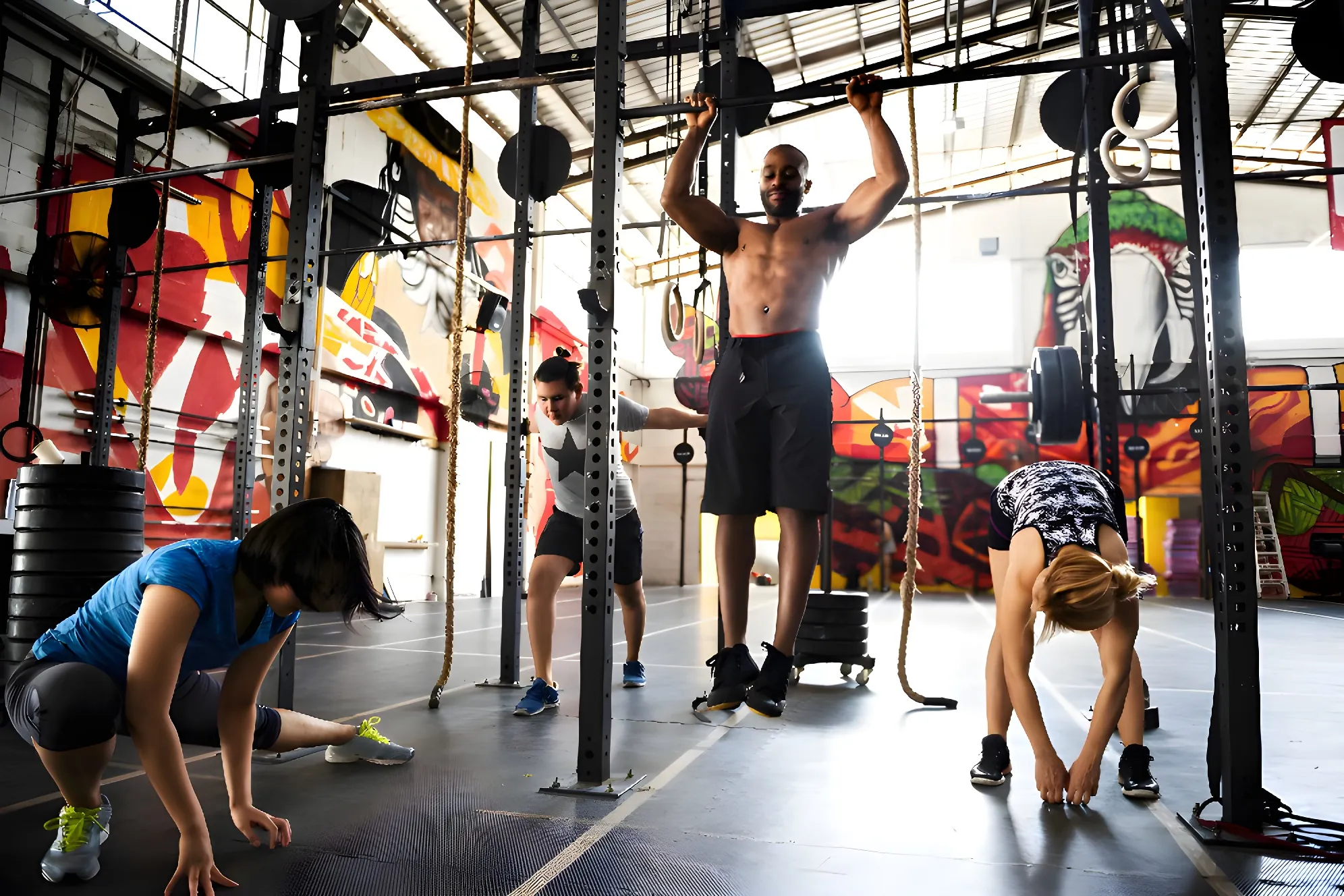
What Makes a Great Gym Environment?
Discover what makes a great gym environment, from clean facilities and quality equipment to friendly staff, supportive members, safety, and a motivating atmosphere.

A great gym is about much more than expensive equipment, modern interiors, or a large selection of workout machines. The environment can influence how comfortable people feel, how consistently they exercise, and whether they enjoy returning for their next session.
For some people, the perfect gym is a quiet space where they can concentrate on strength training without distractions. Others prefer an energetic atmosphere filled with music, group classes, and people encouraging one another. Although these preferences differ, the best gyms share several important qualities: cleanliness, safety, reliable equipment, knowledgeable staff, and a welcoming attitude toward members of all experience levels.
Think about someone visiting a gym for the first time. They may feel uncertain about using unfamiliar machines, worry that other members will judge them, or struggle to decide where to begin. A well-organized gym with approachable staff and a respectful atmosphere can make that first experience much easier.
So, what makes a great gym environment? It is the combination of physical comfort, practical facilities, positive social interactions, and an atmosphere that helps people work toward their goals.
1. Cleanliness and Hygiene
Cleanliness is one of the most important features of a great gym environment. Hundreds of people may use the same equipment, changing rooms, showers, and shared spaces throughout the day. Without regular cleaning, these areas can quickly become unpleasant and create avoidable hygiene concerns.
A well-maintained gym should have a clear cleaning routine that covers frequently touched surfaces, exercise machines, benches, free weights, locker rooms, and bathrooms.
Members also have a responsibility to keep the environment clean. Wiping down equipment after use, placing rubbish in the appropriate bins, and avoiding leaving sweaty towels on benches are simple habits that make a noticeable difference.
Consider the difference between two gyms. In the first, members regularly find dirty benches, overflowing bins, and damp changing rooms. In the second, equipment is maintained, cleaning supplies are available, and staff address problems promptly. Even if both gyms offer similar equipment, the second is likely to provide a more comfortable experience.
Ventilation matters as well. A gym can become warm and humid during busy periods, particularly in areas used for intense cardio or strength training. Good airflow and appropriate temperature control help make workouts more comfortable.
Cleanliness may not be the most exciting feature of a gym, but it is one of the foundations of a positive training environment.
2. Well-Maintained Equipment and Facilities
A great gym does not necessarily need every machine on the market. What matters more is whether its equipment meets members' needs, works properly, and is maintained regularly.
A balanced fitness facility might include:
-
Treadmills, stationary bikes, or other cardiovascular machines.
-
Dumbbells, barbells, weight plates, and suitable benches.
-
Resistance machines for different muscle groups.
-
Squat racks or other appropriate strength-training stations.
-
Mats and designated areas for stretching and mobility work.
-
Sufficient space for bodyweight exercises and functional training.
Equipment should also be appropriate for the gym's membership. A facility catering to beginners and general fitness users may prioritize accessible machines and straightforward layouts. A strength-focused gym may need several squat racks, heavier dumbbells, and sufficient free-weight space.
Maintenance is just as important as variety. Loose cables, damaged upholstery, unstable benches, or machines with unclear safety issues should be addressed promptly. Members should be able to report problems easily, and equipment that poses a safety risk should not remain in use until it has been checked.
Availability is another consideration. If a gym has only one squat rack and several members follow strength programs, waiting times can become frustrating during peak hours.
The best equipment setup is one that allows members to train safely and efficiently without unnecessary obstacles.
3. A Welcoming Atmosphere for Beginners
One of the biggest barriers to starting a gym routine is feeling out of place. Beginners may believe that everyone else knows exactly what they are doing or that their bodies, strength levels, and exercise techniques will be judged.
A great gym environment helps remove this pressure.
Staff should be willing to explain how equipment works, answer basic questions, and point new members toward suitable facilities. Clear signs, introductory sessions, and beginner-friendly classes can also make the space easier to navigate.
Experienced members contribute to the atmosphere through their behavior. Giving people enough room, avoiding unsolicited comments about their bodies, and allowing others to learn at their own pace can make the gym feel more inclusive.
For example, imagine a beginner who is unsure how to adjust a leg press machine. In a supportive environment, they can ask a trainer for assistance without feeling embarrassed. That small interaction may give them the confidence to try other exercises and return for another session.
A welcoming gym does not need to make every workout social. Some members prefer to train quietly with headphones. The goal is to create a space where people can interact when they want to while feeling comfortable exercising independently.
4. Knowledgeable and Approachable Staff
The quality of a gym's staff can significantly influence the member experience. Reception employees, cleaning teams, fitness instructors, and personal trainers all contribute to how the facility operates.
Approachable staff make it easier for members to ask questions, report equipment problems, understand membership policies, and resolve everyday issues.
Qualified trainers are particularly valuable because they can help members learn exercise technique, choose appropriate training options, and understand how to progress gradually. A good trainer listens to a person's goals, experience, limitations, and preferences instead of giving everyone the same routine.
For example, a beginner interested in general fitness may benefit from a simple full-body program that introduces basic movement patterns. Someone who has been lifting weights for several years may need a more individualized approach to address a specific performance goal.
Professional staff should also understand the limits of their role. They should not pressure members into unnecessary purchases or make unrealistic promises about results. When a question falls outside their expertise, they should direct the member toward an appropriate professional.
Ultimately, a great gym employs people who are helpful, respectful, and committed to creating a safe training environment.
5. Safety Comes Before Appearance
A gym can look impressive and still provide a poor training environment if safety is overlooked. Attractive interiors and modern equipment mean little if members cannot exercise confidently.
Safety begins with equipment that is properly maintained and used according to its instructions. Free-weight areas should have enough space for members to lift without obstructing walkways. Heavy equipment should be arranged sensibly, and emergency procedures should be clear.
Staff should be available to explain unfamiliar equipment and help members understand basic safety practices. Depending on the facility, useful measures may include accessible first-aid supplies, trained personnel, emergency contact procedures, and clearly marked exits.
Members also need to take responsibility for their own training. Attempting to lift weights that are far beyond their current ability, ignoring persistent pain, or using equipment incorrectly can increase the risk of injury.
A supportive gym encourages people to challenge themselves without treating every workout as a competition.
It is also important to recognize that not everyone has the same physical abilities. Accessible entrances, appropriate changing facilities, clear walkways, and equipment options for different needs can make a gym more usable for a wider range of people.
Safety should be part of the gym's everyday culture rather than something considered only after an incident occurs.
6. The Right Balance Between Music and Noise
Music can make a workout feel more energetic, particularly during cardio sessions or demanding strength exercises. For some members, a lively soundtrack helps them maintain their pace and enjoy the atmosphere.
However, music that is too loud can make it difficult to concentrate, communicate with trainers, or hear important announcements. A gym that plays music at an uncomfortable volume may also create an unpleasant experience for people who prefer a quieter environment.
The ideal sound level depends on the facility and its members. A group cycling studio may benefit from energetic music, while a strength-training area may work better with a more moderate volume.
Acoustics also matter. Dropping weights, crowded equipment areas, and multiple classes running simultaneously can create excessive noise if the gym layout is poorly planned.
A thoughtful gym considers how sound affects different activities. Separate studio spaces, sensible speaker placement, and reasonable volume levels can help create an atmosphere that is motivating without becoming overwhelming.
Members should also respect one another by avoiding unnecessarily loud conversations, keeping phone calls brief, and using headphones appropriately.
The best gym environment allows people to enjoy the energy of a shared space without making concentration difficult.
7. Enough Space and a Practical Layout
Even a well-equipped gym can become frustrating if the layout is confusing or the workout areas are overcrowded.
Members need enough space to move safely between machines, perform exercises without obstructing others, and access the equipment they need. Poorly placed benches, weights left in walkways, and narrow passages can make training uncomfortable.
A practical layout usually separates different activities where possible. Cardiovascular machines may occupy one area, free weights another, and stretching or functional exercises a designated space.
This organization helps members understand where to go and reduces unnecessary interruptions.
Crowding is another major issue. A gym might have excellent facilities but struggle during the evening rush when people finish work. If members regularly wait for basic equipment, they may find it difficult to complete their planned workouts.
Before joining a gym, consider visiting during the hours when you expect to train. A facility that feels spacious in the middle of the morning may be much busier at 6 p.m.
A good gym does not have to be enormous. It simply needs to use its available space intelligently and manage busy periods effectively.
8. A Respectful and Supportive Gym Community
The people who use a gym can influence the experience just as much as its equipment and facilities.
A positive gym community is built on respect rather than competition. Members can have different goals, training styles, and experience levels without making anyone feel inferior.
In a supportive environment, people return weights to their proper places, share equipment when appropriate, respect personal space, and avoid interrupting others unnecessarily.
These habits may seem basic, but they make a significant difference in a shared facility.
Consider a busy free-weight area. One member is completing several sets on a bench, while another wants to use the same equipment. A respectful conversation about sharing the bench during rest periods can solve the problem without creating tension.
The same principle applies to personal boundaries. Not everyone wants advice, conversation, or attention during a workout. A friendly community recognizes that encouragement should never become unwanted interference.
Some gyms also organize group challenges, social events, or team-based classes that help members connect. These activities can strengthen the sense of community, although participation should always remain optional.
A great gym brings people together through shared interests while allowing everyone to train in their own way.
9. A Positive Atmosphere Without Unnecessary Pressure
Motivation is an important part of fitness, but it should not depend on making people feel inadequate.
Some gyms create a competitive atmosphere that appeals to members who enjoy challenging themselves. Others emphasize general health, enjoyment, and long-term consistency. Neither style is automatically wrong, but the environment should match the needs of its members.
Problems arise when a gym promotes unrealistic body standards, pressures members to train beyond their limits, or treats beginners as less serious than experienced athletes.
A healthier environment recognizes different definitions of progress.
For one person, success might mean increasing their squat weight. For another, it might mean climbing a flight of stairs more comfortably, attending two workouts every week, or returning to exercise after a long break.
All of these goals can be meaningful.
Trainers and staff can contribute by celebrating effort, teaching proper technique, and encouraging realistic expectations. Members can support this atmosphere by avoiding comparisons and respecting different fitness journeys.
The best gym makes people feel motivated to improve without suggesting that their current abilities or appearance are something to be ashamed of.
10. Flexible Membership Options and Fair Pricing
The membership experience also plays a role in determining whether a gym feels welcoming and trustworthy.
A great facility should explain its prices, contract terms, cancellation rules, and additional fees clearly. Members should understand what they are paying for before signing an agreement.
Flexible options can make fitness more accessible. Depending on the facility, these might include monthly memberships, off-peak access, student discounts, pay-as-you-go sessions, or short introductory memberships.
Not every gym can offer every option, but transparent policies help members make informed decisions.
Value is not determined by price alone. A cheaper gym may be ideal if it has the equipment you need, convenient opening hours, and a comfortable atmosphere. A more expensive facility may justify its cost through specialist equipment, qualified trainers, swimming pools, or other services that you genuinely use.
For example, someone who only wants basic strength training may not benefit from paying extra for facilities they rarely visit. Meanwhile, a person who regularly attends group classes may consider those sessions an important part of the membership's value.
The right gym is one that fits both your fitness needs and your budget without creating unnecessary financial stress.
11. Convenient Opening Hours and Location
Consistency becomes easier when a gym fits naturally into your daily routine.
A facility near home may be convenient for morning workouts, while a gym close to the workplace could make lunchtime or after-work sessions more practical. Travel time matters because even a good gym can become difficult to visit if reaching it requires a long journey.
Opening hours are equally important. People who work shifts may need early-morning or late-night access, while parents may prefer to exercise during specific daytime periods.
Consider two members with similar goals. One lives five minutes from a gym and can attend three times a week without changing much about their schedule. The other needs to travel 40 minutes each way. Even if the second facility has more equipment, the first may be easier to use consistently.
Parking, public transportation, bicycle access, and the availability of lockers can also influence convenience.
A great gym makes regular exercise easier to organize rather than adding another complicated task to an already busy day.
12. Inclusive Facilities for Different Fitness Goals
People join gyms for many reasons. Some want to build muscle, others want to improve cardiovascular health, and many simply want to remain active.
A great gym recognizes that members do not all share the same definition of fitness.
Its facilities and programs should reflect the people it serves. A general fitness center might offer beginner classes, strength-training areas, cardio equipment, and mobility sessions. A specialist gym may focus on bodybuilding, powerlifting, martial arts, or athletic performance.
The important thing is to communicate clearly about what the facility offers and who it is designed to support.
Inclusivity also means treating members fairly regardless of age, body size, gender, disability, or training experience. Staff should be respectful, harassment should be taken seriously, and members should be able to raise concerns through clear procedures.
A gym cannot meet every person's needs perfectly, but it can create an environment in which people are treated with dignity and given reasonable opportunities to participate.
How to Choose a Gym With the Right Environment
Finding a gym that suits you requires more than comparing membership prices or looking at photographs online. If possible, visit the facility before joining and observe how it operates during the hours you plan to train.
Use the following checklist to evaluate the environment.
If you are new to fitness, pay particular attention to how staff interact with beginners. A friendly introduction and clear explanation of the facilities can tell you a great deal about the gym's culture.
You should also consider your own preferences. If you enjoy quiet workouts, a crowded gym with loud music may not be ideal. If you find motivation through group classes, a facility with a strong class schedule might be a better fit.
The right choice is not necessarily the gym with the most impressive equipment. It is the one that helps you exercise safely, comfortably, and consistently.
What's Your Reaction?