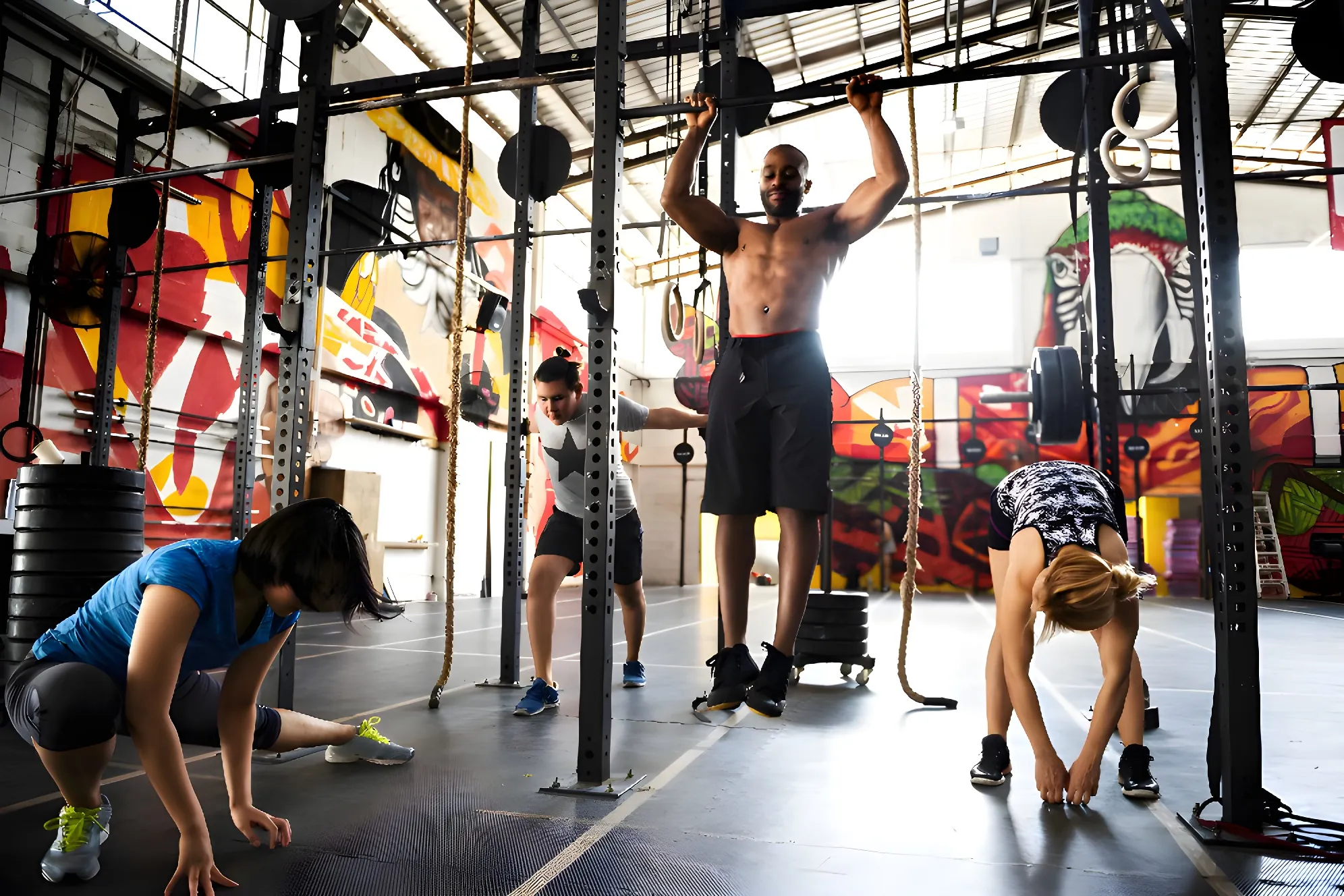
Why Gym Communities Help People Stay Motivated
Discover how gym communities help people stay motivated, build consistent workout habits, overcome fitness challenges, and achieve their goals through social support, accountability, and shared progress.

Staying motivated to exercise is not always easy. You might start a new workout routine feeling excited, plan to visit the gym four times a week, and prepare a list of fitness goals. Then work gets busy, energy levels drop, or progress becomes slower than expected. Suddenly, the routine that once felt exciting becomes another task to fit into an already crowded schedule.
This is where gym communities can make a real difference. Having people around you who understand your goals, celebrate your progress, and encourage you when training becomes difficult can change the way you experience fitness. Instead of feeling like you are working toward your goals alone, you become part of an environment where consistency and effort are shared values.
Gym communities are not limited to close friendships or organized fitness groups. They can include workout partners, familiar faces at your local gym, group class participants, running clubs, or online fitness communities. Each offers a different kind of support, but the underlying benefit is similar: exercise becomes a shared experience rather than an individual responsibility.
The Power of Feeling Part of a Community
People are naturally influenced by the environments in which they spend their time. When you regularly train alongside others who value fitness, exercise can gradually become a more natural part of your lifestyle.
Think about someone who joins a gym for the first time. Initially, they may feel uncertain about which machines to use, how to structure a workout, or whether they are making progress. Without support, these small concerns can become reasons to skip a session.
Now imagine that the same person begins attending a regular evening class. They recognize a few participants, exchange greetings with the instructor, and gradually become comfortable with the routine. After a few weeks, the class is no longer just an appointment on their calendar. It is a familiar environment where they feel welcome.
That sense of belonging can make it easier to return, even on days when motivation is low.
A strong gym community does not require everyone to have identical goals or fitness levels. It simply creates an atmosphere where people feel comfortable showing up, learning, and improving at their own pace.
Gym Communities Create Accountability
One of the biggest challenges in fitness is staying consistent when nobody else knows whether you follow your plan.
It is easy to postpone a workout when you are tired or busy. However, when you have arranged to meet a friend at the gym, skipping the session becomes a decision that affects someone else, too.
This is one reason workout partners and fitness groups can help people maintain their routines. They introduce a small amount of accountability without necessarily making exercise feel like an obligation.
For example, two friends might agree to train together every Monday, Wednesday, and Friday after work. If one person feels unmotivated, the other can offer encouragement or suggest a shorter session rather than abandoning the plan completely.
Accountability works best when it is supportive rather than controlling. A good workout partner understands that illness, family responsibilities, and demanding workdays sometimes make training impossible.
The objective is not to make someone feel guilty for missing a session. It is to create a reliable structure that makes regular exercise easier to maintain.
Shared Goals Make Difficult Workouts Easier
Training can be physically demanding, especially when someone is learning a new exercise, increasing their workload, or trying to improve endurance.
Working toward a goal alongside other people can make these challenges feel more manageable. When you see others dealing with similar difficulties, you realize that struggling with a workout is not unusual.
Consider a beginner who finds their first few strength-training sessions intimidating. They may assume that everyone else knows exactly what they are doing. Joining a beginner-friendly class can change that perspective. They see other people learning movements, adjusting weights, taking breaks, and gradually improving.
The experience creates a more realistic understanding of fitness. Progress does not require every workout to be perfect.
Shared goals can also make training more engaging. Friends preparing for a local 5K race, for example, can compare training experiences, discuss pacing strategies, and encourage each other through difficult runs.
The important factor is that everyone can work toward personal progress while benefiting from a common purpose.
Celebrating Small Wins Builds Long-Term Motivation
Fitness progress is not always obvious. Changes in strength, endurance, mobility, or body composition can take time, and daily measurements rarely tell the whole story.
A supportive gym community helps people recognize improvements that might otherwise go unnoticed.
Perhaps someone completes their first full set of push-ups, increases their squat weight by a small amount, runs for five minutes longer than before, or finally feels comfortable using a machine they previously avoided.
These achievements may seem ordinary to an experienced athlete, but they can represent meaningful progress for the person who earned them.
Friends and training partners can help acknowledge these moments. A simple "You have improved a lot since you started" can reinforce the idea that consistent effort is producing results.
Celebrating small wins also shifts attention away from unrealistic expectations. Instead of focusing exclusively on a target weight or a particular appearance, people can recognize improvements in performance, confidence, and everyday physical ability.
Over time, this broader definition of success can make fitness more rewarding.
Gym Friends Make Exercise More Enjoyable
Exercise does not have to feel like a solitary task. For many people, the social experience is an important reason they continue attending the gym.
A workout with a friend might include discussing the day between sets, encouraging each other during a challenging exercise, or sharing a laugh after a particularly difficult class. These moments can make the experience more enjoyable without taking away from the physical benefits of training.
Social connections can also help break the monotony of repeating the same routine. A friend might introduce you to a new group class, suggest trying a different training format, or invite you to join a weekend hike.
This variety can make exercise feel less repetitive.
However, enjoying the social side of the gym does not mean every workout needs to involve conversation. Some people prefer quiet training, while others enjoy a balance of focused exercise and friendly interaction. A good community respects both preferences.
The goal is to find a social environment that makes you more likely to look forward to exercising.
Positive Role Models Encourage Better Habits
Gym communities bring together people with different levels of experience. This creates opportunities to learn from others who have already faced challenges you are beginning to encounter.
A more experienced member might explain how they organize their weekly training schedule, manage rest days, or stay consistent during busy periods. A running partner might share how they gradually increased their distance without trying to improve too quickly.
These everyday examples can be more relatable than ambitious fitness stories shared online because they come from people you know and see regularly.
Positive role models can also demonstrate that long-term progress involves more than hard workouts. Experienced gym members who take rest days, prioritize proper technique, and adjust their training when necessary can help beginners develop healthier expectations.
It is important, however, to distinguish personal experience from professional advice. Another member's routine may not suit your goals, abilities, or circumstances. For exercise programming, injury concerns, or specialized training needs, a qualified professional is a better source of individualized guidance.
A healthy gym community encourages learning without turning every experienced member into an unofficial coach.
Group Classes Make Consistency Easier
Group fitness classes are among the simplest ways to experience the motivational benefits of a gym community.
Unlike an independent workout, a scheduled class provides a clear start time, a planned activity, and an instructor who guides the session. Participants also share the experience of completing the workout together.
This structure can reduce the number of decisions involved in exercising. Instead of wondering which exercises to perform or how long to train, you simply arrive and follow the session.
Regular attendance can also create a sense of familiarity. You begin recognizing other participants, learning the instructor's style, and feeling more comfortable with the movements.
Different classes provide different social experiences:
-
Indoor cycling: Participants share an energetic session with music, timed intervals, and a common training structure.
-
Strength classes: Members practice resistance exercises together and may develop confidence through repeated sessions.
-
Yoga and Pilates: Smaller classes can encourage familiarity while focusing on movement, balance, and controlled breathing.
-
Boxing and circuit training: Shared challenges can help participants feel connected through effort and achievement.
-
Dance fitness: Music and coordinated movement create a social environment where exercise can feel more like a group activity than a conventional workout.
You do not need to be highly fit before joining a class. Choosing a beginner-friendly session and adjusting the intensity to your ability can help you become comfortable without feeling pressured to match everyone else's performance.
Social Support Helps People Return After Setbacks
Almost everyone experiences interruptions to their fitness routine. Travel, work deadlines, illness, family responsibilities, and periods of low motivation can all disrupt regular training.
The difficulty is often not the missed workout itself but the challenge of starting again.
A supportive gym community can make that return less intimidating. A friend might invite you to an easy session, a class instructor might welcome you back, or another member might remind you that everyone has periods when training becomes difficult.
This support can help people avoid an all-or-nothing mindset.
For example, someone who misses two weeks of workouts may feel that their progress has been lost. A training partner can encourage them to restart with a manageable session rather than attempting to make up for every missed workout immediately.
That distinction matters. Long-term fitness is built through repeated effort over time, not through perfect attendance every week.
A healthy community makes room for setbacks while helping members reconnect with their routines.
How Gym Communities Influence Healthy Competition
A little friendly competition can add excitement to exercise. Training alongside someone with similar goals may encourage you to complete another repetition, improve your running pace, or become more consistent with your schedule.
For example, two friends might compare how many workouts they complete each month or work toward a shared goal of attending a weekly strength class. The competition gives them something concrete to work toward while keeping the experience social.
However, competition is most useful when it encourages personal improvement rather than constant comparison.
Comparing your current abilities with those of someone who has trained for years can be discouraging, especially if you are new to exercise. People differ in experience, genetics, recovery, available time, and training history.
A more constructive approach is to compare your current performance with your own previous results. Your friend might help you stay accountable, but your progress should still reflect your individual circumstances.
Healthy competition encourages effort, celebrates achievements, and respects limitations. When it becomes a source of pressure, embarrassment, or unsafe training decisions, it stops serving its purpose.
Online Fitness Communities Can Provide Extra Support
Not everyone has access to a local gym community or a workout partner with a compatible schedule. Online fitness communities can provide an additional source of encouragement.
These communities may exist in fitness forums, social media groups, training applications, or virtual workout programs. Members often share workout routines, discuss challenges, celebrate milestones, and exchange practical advice.
For someone who feels intimidated by a physical gym, an online community can offer a place to ask basic questions before trying new exercises. People can learn about common gym etiquette, compare training experiences, and discover different approaches to fitness.
Online groups can also help people maintain a sense of connection while traveling or following a home workout program.
Still, digital fitness communities have limitations. Advice that works for one person may not be appropriate for another, and dramatic transformation posts rarely show the full picture. Before following an exercise or nutrition recommendation, consider whether it comes from a reliable source and suits your needs.
The most useful online communities encourage realistic progress, safe practices, and respectful discussion rather than promoting extreme routines or unrealistic body standards.
How to Find a Gym Community That Fits Your Personality
Not every gym environment suits every person. Some members enjoy energetic group classes, while others prefer small training groups or quiet weight rooms.
Finding the right community starts with understanding what makes you comfortable.
If you enjoy social interaction, look for gyms with regular group classes, organized fitness events, or opportunities to train with others. If you prefer a quieter environment, you might connect with one reliable workout partner or become friendly with a few regular members without joining a large group.
You can also try a few simple steps:
Attend at consistent times. Seeing familiar faces regularly makes it easier to develop natural connections.
Start with small conversations. A greeting or a brief question about a class is often enough to begin.
Choose activities you enjoy. Shared interests create a natural foundation for friendship.
Be supportive without being intrusive. Offer encouragement when appropriate, but respect other people's space and training preferences.
Look for a welcoming atmosphere. A good community makes beginners feel comfortable and does not judge members by their appearance, strength, or experience.
You do not need to become friends with everyone at your gym. Even one supportive training partner or a few familiar faces can make exercise feel more connected and enjoyable.
When Gym Communities Become Unhealthy
Although gym communities can support motivation, not every group has a positive influence.
Some environments place too much emphasis on appearance, lifting heavier weights at any cost, or training without sufficient rest. Others encourage members to compare their bodies constantly or feel guilty when they miss a session.
These attitudes can turn exercise into a source of stress rather than a sustainable habit.
A healthy fitness community respects different goals and abilities. Members can encourage each other without mocking beginners, pressuring people to lift beyond their limits, or treating rest days as a sign of weakness.
It should also be possible to say no. You should feel comfortable declining an extra workout, changing an exercise, or choosing a lighter session when appropriate.
If a group consistently makes you feel inadequate, pushes you toward unsafe decisions, or ignores your boundaries, it may not be the right environment for you.
Motivation should help you build a healthier relationship with exercise, not make you feel that your worth depends on your performance.
Building a Stronger Gym Community Starts With You
You do not have to wait for someone else to create a welcoming environment. Small actions from individual members can make a gym more supportive for everyone.
If you see a beginner looking uncertain, you can offer a friendly greeting without overwhelming them with advice. If someone reaches a personal milestone, a simple congratulations can help them feel recognized. If you train with a partner, you can encourage them to work at their own pace instead of comparing their progress with yours.
Consistency matters in social relationships just as it does in exercise. Remembering someone's name, asking how their training is going, or showing up when you have agreed to meet can gradually build trust.
At the same time, respect the fact that some members prefer to train independently. A strong community does not require constant social interaction; it creates an environment where both connection and personal space are valued.
When members treat one another with respect, the gym becomes more than a place to complete sets and repetitions. It becomes a shared space where people can develop confidence, learn from experience, and encourage one another.
What's Your Reaction?