Why People Film Their Workouts at the Gym
Discover why people film their workouts at the gym, from tracking fitness progress and improving exercise technique to creating social media content and staying motivated.

Walk into almost any modern gym, and there is a good chance you will see someone setting up a phone beside a weight bench, adjusting a tripod near a squat rack, or recording a short clip between sets. Filming workouts has become a familiar part of gym culture, especially as social media platforms continue to influence how people approach fitness.
For some, recording a workout is a practical way to monitor progress and improve exercise technique. Others enjoy sharing their fitness journeys online, connecting with like-minded people, or creating content for their followers. What might look like a simple video can serve several different purposes depending on the person behind the camera.
However, the growing popularity of gym videos has also sparked conversations about privacy, gym etiquette, and the pressure to look good on camera. Understanding why people film their workouts can help explain how technology and social media have changed the modern fitness experience.
1. Tracking Fitness Progress Over Time
One of the most practical reasons people film their workouts is to track progress. While a training journal can record the amount of weight lifted or the number of repetitions completed, a video provides a visual record of how an exercise is performed.
Someone who regularly performs squats, deadlifts, or bench presses may record a set to compare their technique over several weeks or months. They can observe changes in movement, stability, control, and overall confidence.
Video recordings can also help people recognize improvements that might otherwise go unnoticed. Fitness progress is not always reflected in body weight or appearance. Lifting a heavier load with better control, completing more repetitions, or moving more comfortably can all represent meaningful achievements.
For beginners, these recordings can be particularly useful. A person learning a new movement may initially feel awkward or uncertain, but reviewing earlier footage can reveal how much their technique has improved.
The key is to use videos as a tool for learning rather than a reason to criticize every detail of a workout. Progress takes time, and a recording should provide useful feedback instead of creating unnecessary pressure.
2. Improving Exercise Technique
Another major reason people film their gym sessions is to check their exercise form. Certain movements are difficult to evaluate while performing them because attention is focused on balance, breathing, coordination, and lifting the weight.
Recording a set allows someone to review the movement afterward. They might notice that their range of motion changes as they become tired, that their body position shifts during a lift, or that they are moving too quickly through an exercise.
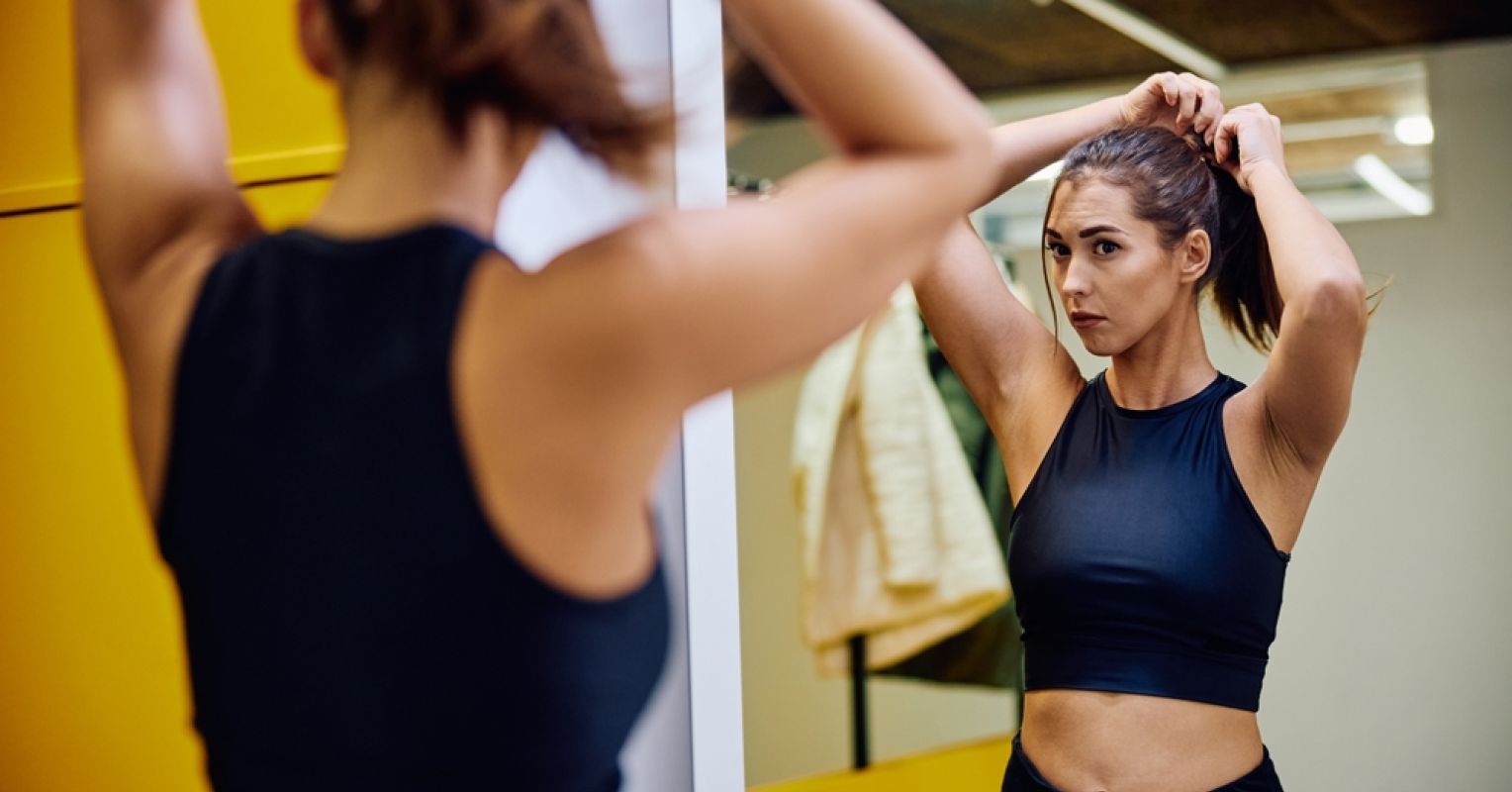
This can be especially helpful when learning unfamiliar movements. A video provides a different perspective from looking in a mirror, which may not show every relevant angle.
However, recording a workout does not automatically guarantee correct technique. Camera angles can distort how a movement looks, and a short clip may not capture everything needed to evaluate an exercise properly. Someone who is unsure about their form may benefit from feedback from a qualified fitness professional.
The most useful workout videos have a clear purpose. Instead of filming every set without reviewing anything, a person can record one or two important movements and focus on a specific aspect of their technique.
3. Creating Fitness Content for Social Media
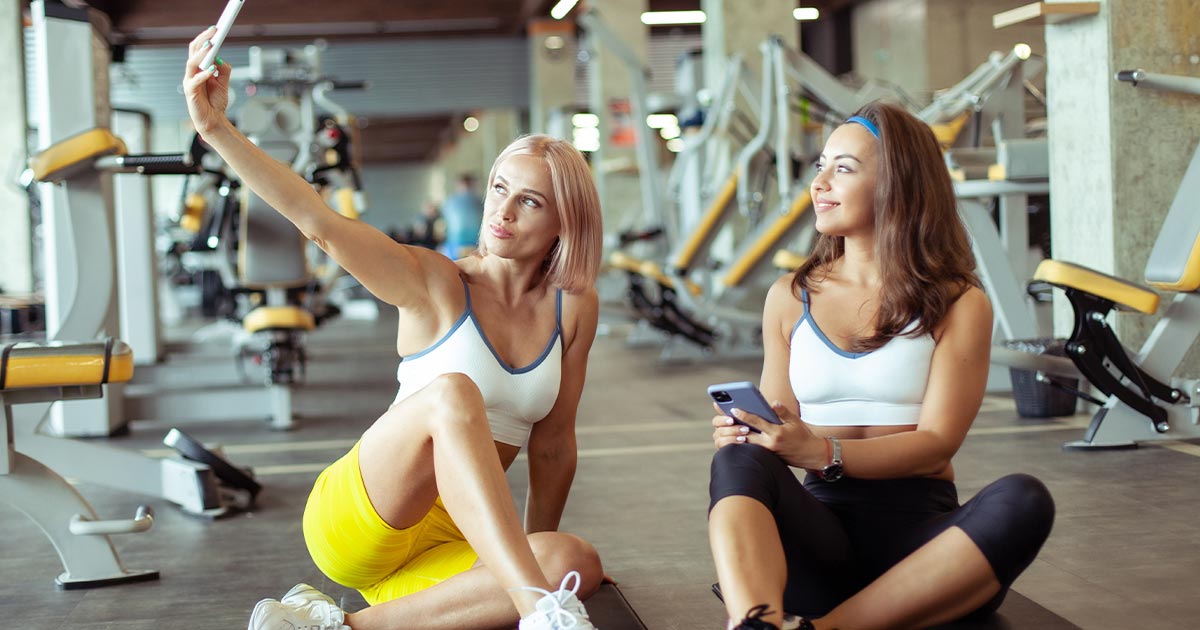
Social media has played a major role in making workout filming popular. Platforms such as Instagram, TikTok, and YouTube allow people to share training clips, exercise demonstrations, progress updates, and everyday gym experiences with a wide audience.
For fitness influencers, filming workouts may be part of their regular content strategy. They might create instructional videos, demonstrate training programs, document personal challenges, or show how they structure a typical gym session.
But not everyone who records a workout is an influencer. Many ordinary gym members enjoy sharing occasional clips with friends, celebrating a personal achievement, or documenting their fitness journey.
Short-form video has also made fitness content easier to produce. A brief recording of a successful lift or a new exercise can become part of a larger post without requiring professional equipment or advanced editing skills.
For some people, sharing these moments makes training more enjoyable. For others, it can create pressure to make every session look interesting or impressive.
There is nothing inherently wrong with documenting a workout, but the experience can become less rewarding when creating content takes priority over exercising itself.
4. Staying Motivated and Accountable
Motivation naturally fluctuates throughout a fitness journey. Some days, people feel excited to train, while on others, finding the energy to get to the gym can be difficult.
Filming workouts can help create a sense of accountability. When people document their training sessions, they build a record of their efforts and may feel more committed to maintaining a routine.
Some use videos as personal milestones. Recording a first pull-up, a new personal record, or a successful return to training after a break can make an achievement feel more memorable.
Sharing these moments with friends or an online community may provide additional encouragement. Positive comments and support can help people feel that their effort is recognized.
However, motivation should not depend entirely on receiving views, likes, or comments. Social media engagement is unpredictable, and a worthwhile workout does not become less valuable simply because nobody watches it.
A sustainable fitness routine should work even when there is no camera involved. Recording can support consistency, but it should not become the only reason someone exercises.
5. Building a Fitness Community
For many gym members, fitness is about more than physical improvement. It is also an opportunity to connect with people who share similar goals and interests.
Workout videos can help create these connections. People may exchange training tips, discuss exercise variations, celebrate achievements, and encourage one another through difficult periods.
Someone who is new to strength training might find reassurance in watching another beginner work through similar challenges. An experienced lifter may enjoy sharing knowledge with others who are interested in the same training style.
Online communities can also introduce people to different approaches to fitness. Through workout videos, viewers can discover powerlifting, bodybuilding, calisthenics, functional training, or other activities they might not have encountered otherwise.
Still, not every fitness community promotes healthy attitudes. Some place too much emphasis on appearance, competition, or extreme training habits. The most beneficial communities encourage learning, respect individual differences, and recognize that people have different abilities and goals.
6. Measuring Performance and Setting Goals
Filming workouts can be useful for people who approach training with specific performance goals. Athletes and experienced gym members may record selected sets to examine how they perform under different conditions.
For example, someone training for a strength competition might review a heavy lift to assess bar movement and consistency. A runner who incorporates strength training might record an exercise to monitor balance and coordination. A person working toward a pull-up might document gradual improvements in movement control.
Videos can also make goal setting more concrete. Instead of relying entirely on memory, a person can compare recordings from different stages of training and identify areas that still need attention.
This approach works best when videos are combined with other forms of tracking, such as training logs, repetition counts, rest periods, and workout notes. A recording alone cannot explain every factor affecting performance.
It is also important to recognize that daily performance changes. Fatigue, sleep, stress, and recovery can influence how a workout feels and looks. One difficult session does not necessarily indicate a lack of progress.
7. The Influence of Fitness Influencers and Gym Culture
The popularity of workout videos is closely connected to the rise of fitness influencers. As more creators share their training routines online, recording exercises has become a familiar part of modern gym culture.
People may see influencers filming their workouts and decide to do the same. They might want to learn how content is created, share their own progress, or become part of a community built around fitness.
This visibility can have positive effects. Exercise demonstrations can introduce useful training ideas, while personal stories may encourage people who are hesitant about starting a fitness routine.
At the same time, online content often presents a carefully selected version of gym life. Videos may focus on impressive lifts, aesthetic surroundings, and successful training sessions while leaving out ordinary moments, difficult days, and recovery periods.
As a result, some people begin to feel that their workouts should be visually impressive or suitable for social media. They may compare their own progress with experienced athletes or creators whose routines are very different from theirs.
A healthier perspective is to remember that a workout does not need to look impressive to be effective. Quiet, consistent training can be just as valuable as a video that attracts thousands of views.
8. Is Filming Workouts Becoming a Distraction?
Although recording workouts can be helpful, it can also interfere with training when it becomes excessive.
Setting up a camera, checking the framing, repeating a set for a better recording, and reviewing footage between every exercise can take time away from the actual workout. Some people may also become more focused on how they appear on screen than on how the exercise feels.
This can affect concentration, especially during demanding movements that require attention to technique and surroundings. Trying to create the perfect clip while lifting a challenging weight may introduce unnecessary distractions.
There is also a difference between recording a workout with a clear purpose and feeling compelled to document everything. When every session needs to produce content, exercise can start to feel like a performance rather than a personal activity.
A simple solution is to decide in advance what needs to be recorded. Someone who wants to check squat technique, for example, might film a single set and then put the phone away.
Setting these limits helps preserve the benefits of recording without allowing it to dominate the training experience.
9. Gym Etiquette and Privacy: What People Should Know
One of the biggest concerns surrounding workout filming is how it affects other gym members. A gym is a shared environment, and not everyone wants to appear in someone else's video.
Even when a person is filming themselves, other members may be visible in the background. They might not realize they are being recorded, and some may feel uncomfortable having their image shared online.
Respectful filming starts with understanding that access to a gym does not automatically mean permission to record everyone inside it.
Here are several practical rules to follow:
-
Check the gym's filming policy. Some facilities have specific rules about tripods, recording areas, or filming other members.
-
Keep the camera focused on yourself. Choose an angle that minimizes the number of people visible in the background.
-
Avoid blocking equipment. Do not occupy a bench, rack, or walkway longer than necessary just to capture a particular shot.
-
Ask for permission when needed. If another person will appear clearly in your video, obtain their consent before recording or sharing the footage.
-
Respect requests for privacy. If someone asks not to be filmed, adjust the camera or choose another location.
-
Stay aware of your surroundings. Recording should never interfere with other people's training or create a safety hazard.
These simple habits help everyone feel more comfortable. Filming workouts and respecting privacy are not mutually exclusive, provided people consider the needs of others.
10. Should Beginners Film Their Workouts?
Beginners do not need to record their workouts, but doing so can be useful in certain situations.
For someone learning a new movement, a short video may help reveal aspects of technique that are difficult to notice while exercising. It can also provide a record of early progress, which may be encouraging when improvements feel slow.
However, beginners should not feel that they need to copy experienced gym members who film every session. There is already plenty to concentrate on when starting a new routine, including learning equipment, understanding exercises, and becoming comfortable in the gym environment.
For some people, filming may actually increase self-consciousness. They might worry about how they look, whether others are watching, or what people online will think of their performance.
If recording creates more stress than value, there is no reason to do it. A workout notebook or a simple fitness app can track weights, repetitions, and personal goals without requiring a camera.
For those who want to try filming, the best approach is to start small. Record one exercise, review it with a clear objective, and decide whether the process genuinely helps.
The purpose of training is to make progress toward personal goals, not to meet the expectations of people watching from a screen.
11. How to Film a Workout Without Losing Focus
A little preparation can make workout recording more practical and less disruptive.
First, decide why you want to record. Are you checking technique, documenting a personal record, or creating a video for social media? Having a specific objective makes it easier to determine what needs to be filmed.
Second, choose a suitable location and camera angle. Keep equipment out of walkways and avoid placing your phone where it could be knocked over or interfere with another person's exercise.
Third, limit the amount of time spent recording. You generally do not need to film every set to learn from your training. A few selected clips may provide all the information you need.
Finally, review the footage when appropriate. If the goal is technique improvement, look for one or two areas to work on rather than criticizing every detail of the movement. For more complex exercises, seek qualified guidance rather than relying entirely on your own interpretation.
For social media creators, it can also be helpful to separate training from editing. Recording a few planned clips and reviewing them after the session may allow you to stay more focused while exercising.
The aim is to make filming serve your workout, rather than making your workout serve the camera.
What's Your Reaction?