Why Some People Prefer Lifting Weights Alone
Discover why some people prefer lifting weights alone, from better concentration and personal freedom to reduced distractions, flexible workouts, and greater confidence in the gym.

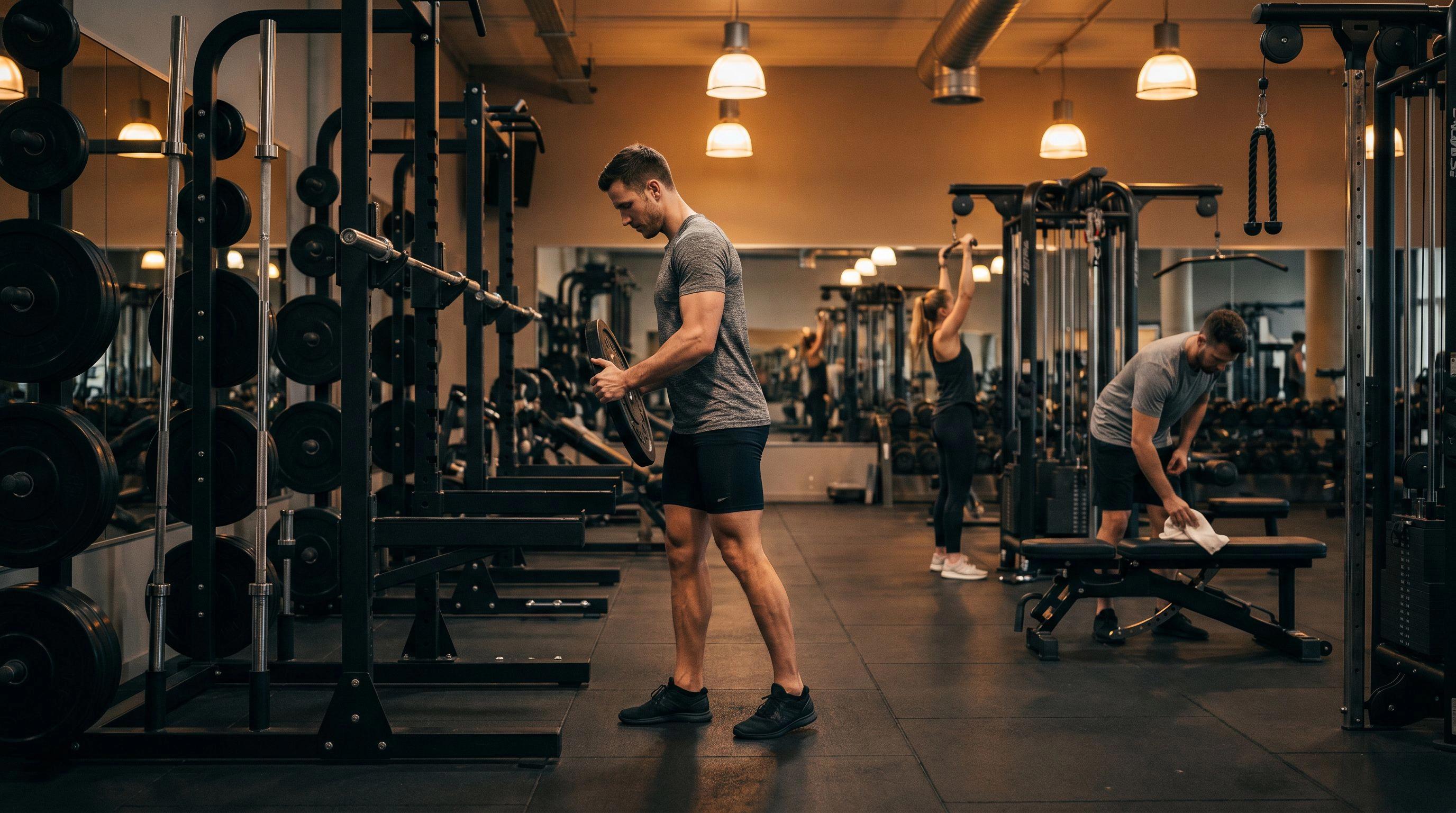
Walk into a gym, and you will see different approaches to strength training. Some people arrive with friends, share workout plans, and encourage each other between sets. Others put on their headphones, follow a carefully planned routine, and spend the entire session focused on their own progress.
For the second group, lifting weights alone is not necessarily a sign of being antisocial or lacking motivation. It can simply be the most comfortable and effective way to train.
Solo strength training offers a level of independence that some people find difficult to achieve in a group setting. They can choose their exercises, adjust their pace, concentrate on technique, and enjoy time away from everyday conversations and responsibilities. For others, training alone provides a sense of control over their fitness journey.
Although working out with a partner has clear advantages, lifting weights alone can also be rewarding when approached thoughtfully. Understanding why people prefer solo training reveals how personality, lifestyle, motivation, and individual fitness goals influence the gym experience.
1. Better Concentration During Workouts
One of the main reasons people prefer lifting weights alone is the ability to concentrate without unnecessary interruptions.
Strength training often requires attention to movement, posture, breathing, and equipment setup. During a squat, deadlift, or overhead press, losing focus can affect technique and make an exercise more difficult to perform safely.
When someone trains with a friend, conversations between sets can be enjoyable, but they can also interrupt the flow of a workout. A discussion that starts during a rest period may continue longer than expected, leaving less time for the exercises that follow.
Solo training makes it easier to establish a consistent rhythm. A person can complete a set, rest for an appropriate amount of time, review their technique, and prepare for the next movement without feeling obligated to maintain a conversation.
For example, someone following a strength program might need three minutes of rest between demanding sets. Training alone allows them to use that time to recover, check their workout notes, and prepare mentally for the next attempt.
This does not mean that training partners always create distractions. A focused partner can improve concentration by helping with timing and technique. However, people who prefer quiet environments may find that exercising alone gives them the mental space they need.
2. Freedom to Follow a Personal Workout Plan
Not everyone in a gym has the same goals. One person may want to increase maximum strength, another may be focused on muscle growth, and someone else may simply want to maintain general fitness.
When two people train together, they sometimes need to compromise on exercises, weights, repetitions, or training schedules. These compromises can work well when their goals are similar, but they may become inconvenient when their programs differ significantly.
Lifting weights alone allows people to organize workouts around their own priorities.
Someone following a lower-body strength session can spend more time practicing squats without worrying that their training partner is waiting to move on. A person working on upper-body development can choose the exercises and order that best suit their program.
Solo training also makes it easier to adjust a workout when circumstances change. If a particular machine is occupied, the lifter can select a suitable alternative. If they feel unusually tired, they can reduce the intensity rather than trying to match another person's pace.
This flexibility can make exercise more sustainable, especially for people who have specific goals or changing schedules.
3. Training at Your Own Pace
A major benefit of lifting weights alone is the freedom to determine how quickly a workout progresses.
Some people enjoy moving efficiently from one exercise to another. Others prefer longer rest periods, especially during demanding strength sessions. Training partners do not always share the same preferences.
For instance, one person might be ready for their next set after 90 seconds, while another needs three minutes to recover from a challenging set of squats. If they train together, one may feel rushed while the other spends more time waiting.
Solo training removes much of this scheduling conflict.
People can choose rest periods appropriate for the exercise, their training experience, and their goals. They can also spend extra time learning a movement or adjusting equipment without feeling that they are holding someone else back.
However, training at your own pace does not mean rushing through every exercise or resting for unnecessarily long periods. The aim is to make each session effective and comfortable.
For beginners, taking enough time to understand equipment and practice correct technique can be especially valuable. For experienced lifters, controlling the pace of a workout can help them follow a structured program more consistently.
4. Enjoying Personal Space and Quiet Time
Modern life can involve constant communication. Work messages, family responsibilities, social commitments, and notifications compete for attention throughout the day.
For some people, the gym offers a rare opportunity to spend time without having to respond to anyone else.
Lifting weights alone can provide a sense of personal space. Once the workout begins, attention shifts toward physical movement and the next exercise. The session becomes a period in which everyday concerns can temporarily take a back seat.
This can be particularly appealing to people who spend much of their working day talking to customers, attending meetings, or collaborating with colleagues.
Imagine someone who has spent eight hours answering questions and participating in conversations. After work, they may not want to continue socializing. They simply want to put on their headphones, complete their workout, and enjoy a quieter part of the day.
For these individuals, the gym is not only a place to improve physical fitness. It is also a personal routine that provides structure and a break from social demands.
Of course, not everyone experiences exercise this way. Some people feel more energized when they train with others. The important point is that both solitude and social interaction can make a workout enjoyable, depending on individual preferences.
5. Greater Independence and Self-Motivation
Training with a partner can provide encouragement, accountability, and helpful feedback. However, some people enjoy developing the ability to motivate themselves.
When someone consistently lifts weights alone, they learn to organize their sessions, monitor progress, and make decisions without relying on another person to keep them on track.
This process can strengthen independence.
For example, a lifter who records their exercises and weights may begin noticing gradual improvements. They might complete more repetitions with the same weight, improve their squat technique, or recover more comfortably between sets.
These small achievements create their own motivation. Instead of waiting for a friend to suggest a workout, the person begins to take responsibility for their routine.
Independent training can also teach people how to respond to difficult days. They may learn when to follow their plan, when to reduce the intensity, and when rest is the better choice.
Still, self-motivation does not mean refusing support. Asking a trainer for guidance, learning from experienced lifters, or occasionally exercising with a partner can be valuable. Independence is about being capable of managing your routine, not having to do everything without assistance.
6. Feeling Less Social Pressure at the Gym
Gyms can sometimes feel intimidating, particularly for beginners or people who are still developing confidence in their abilities.
Training with a partner may make the environment feel more comfortable, but it can also introduce pressure. Some people worry about lifting less weight than their friend, taking longer to learn an exercise, or failing to keep up with someone who has more experience.
Lifting alone can remove some of these comparisons.
A person can choose manageable weights, practice unfamiliar movements, and progress gradually without feeling that another person is evaluating every decision.
This can be especially helpful when returning to the gym after a long break. Someone who once trained regularly may feel frustrated if their previous strength levels have declined. Working independently allows them to rebuild their routine according to their current abilities rather than someone else's expectations.
However, the gym environment itself also matters. Respectful members, approachable staff, and accessible equipment can help people feel comfortable whether they train alone or with others.
Training alone should not mean avoiding all assistance. Beginners can still benefit from a qualified trainer who explains equipment use, checks technique, and helps them establish a suitable program.
The goal is to exercise with confidence, not to feel that every workout must be completed without help.
7. More Consistent Progress Tracking
People who enjoy tracking their fitness progress may find solo weightlifting particularly convenient.
When training alone, it is easier to maintain a personal workout log and follow a consistent program. There is no need to coordinate every exercise with another person's routine, and changes can be made according to individual progress.
A training log might include:
-
The exercises performed during each session.
-
The weight used for each set.
-
The number of repetitions completed.
-
Rest periods or changes in technique.
-
Notes about energy levels and recovery.
-
Personal observations about what felt easy or difficult.
Suppose someone performs three sets of eight repetitions on a dumbbell bench press. By recording the weights and repetitions, they can compare the session with previous workouts and decide whether the current program remains appropriate.
Progress does not always require adding more weight. Improving movement control, performing repetitions with better technique, or completing the same workout with less difficulty can also represent meaningful improvements.
Tracking should remain useful rather than obsessive. Daily performance naturally fluctuates because of sleep, stress, nutrition, and recovery. A single difficult workout does not necessarily indicate that progress has stopped.
For people who enjoy understanding their development over time, independent training can make this process straightforward and personal.
8. Flexible Scheduling and Greater Convenience
Finding a time to exercise can be challenging when two people have different working hours, family commitments, or daily routines.
One training partner may prefer early-morning workouts, while the other can only attend in the evening. Coordinating schedules may eventually become frustrating, even when both people are committed to fitness.
Lifting alone removes this dependency.
A person can visit the gym before work, during a lunch break, or after dinner without waiting for someone else's availability. They can also change the length of their session when necessary.
For example, a busy professional might normally complete a 60-minute workout but only have 35 minutes available on a particular day. Training independently makes it easier to follow a shorter, well-planned session without having to rearrange another person's schedule.
This flexibility can improve long-term consistency. A workout routine that fits naturally into daily life is often easier to maintain than one that requires frequent coordination.
For people with irregular working hours, solo training may be especially practical.
9. The Role of Music and Personal Training Rituals
For many solo lifters, music is an important part of the workout experience.
Headphones can create a familiar environment that helps someone focus on the task ahead. A person might prefer energetic music for heavy strength sessions, instrumental tracks for concentration, or podcasts during less demanding exercises.
Training alone also makes it easier to establish personal rituals. These might include warming up in a particular way, reviewing a workout plan, preparing equipment in a consistent order, or taking a few quiet moments before a challenging set.
Such habits can make a workout feel more organized and familiar.
For example, someone who follows the same warm-up routine before squats may feel more prepared because they know exactly what to do before beginning their working sets.
However, headphones should not prevent someone from hearing important safety announcements or communicating when necessary. Members should also remain aware of their surroundings and avoid blocking walkways or equipment areas.
Personal rituals can support concentration, but they should never replace sound training practices.
10. Is Lifting Weights Alone Safer?
Lifting weights alone can be convenient, but it is not automatically safer than training with a partner. The level of risk depends on the exercise, the load, the lifter's experience, and the precautions taken.
For many exercises using moderate weights and appropriate technique, training independently can be entirely reasonable. However, some heavy lifts require additional care.
A training partner can help with spotting during certain bench presses or other exercises where a failed repetition may leave the lifter trapped under a load. Experienced partners may also offer useful feedback on technique.
When training alone, people should take precautions such as:
-
Using safety bars or rack safeties when performing suitable exercises.
-
Avoiding maximum-effort attempts without appropriate support.
-
Choosing weights they can control with proper technique.
-
Learning how to adjust equipment correctly.
-
Stopping when pain, dizziness, or unusual symptoms occur.
-
Asking qualified staff for help when unsure about an exercise.
For example, someone performing a barbell squat inside a rack should set the safety bars at an appropriate height and understand how to use them before attempting challenging sets. A person bench-pressing alone should consider safer alternatives or suitable safety equipment rather than relying on the assumption that they will always complete the repetition.
There is also no need to test personal limits during every workout. Consistent training with manageable progression can be more productive than repeatedly attempting lifts that exceed current ability.
Solo training works best when independence is combined with good judgment.
11. Can You Build Muscle Effectively by Training Alone?
Yes. It is possible to build muscle effectively without having a regular training partner.
Muscle growth depends on several factors, including an appropriate resistance-training program, sufficient training effort, progressive challenge, nutrition, and recovery. Having a partner may help with motivation or spotting, but it is not a requirement for developing strength or muscle.
A person training alone can follow a structured program that targets the major muscle groups and adjusts the workload over time.
For example, a beginner might use a combination of chest presses, rows, squats, hip-hinge movements, and other exercises selected according to their ability and goals. As their experience improves, they can adjust the program to provide a suitable challenge.
Progressive overload is an important principle. It involves gradually increasing the demands placed on the body as the person becomes capable of handling more work. This might mean increasing resistance, performing additional repetitions, or improving control while maintaining good technique.
Nutrition and recovery also matter. Eating enough to support training, consuming adequate protein, and getting sufficient sleep can help the body adapt to exercise.
A partner may provide encouragement, but the foundation of progress remains the quality and consistency of the training itself.
12. Who Benefits Most From Lifting Weights Alone?
Solo weightlifting can suit a wide range of people, although individual preferences and training needs differ.
People with busy schedules: Those who cannot reliably coordinate workout times with friends may appreciate the freedom to train whenever it suits them.
Experienced lifters: People who understand their programs and equipment may enjoy the independence of following a detailed routine.
People who prefer quiet environments: Those who find constant conversation distracting may concentrate better when training alone.
Goal-oriented individuals: Anyone who enjoys recording progress and working toward specific targets may appreciate the ability to structure every session around personal objectives.
Beginners who want to build confidence: Some newcomers prefer to learn at their own pace without comparing themselves with a friend. They can benefit from independent workouts while still seeking instruction when necessary.
Solo training may be less suitable for someone who relies heavily on social accountability, is unfamiliar with basic equipment, or regularly performs challenging lifts that require a spotter. In these situations, a partner, qualified trainer, or appropriate safety equipment can make training more manageable.
There is no single training style that works best for everyone. The ideal approach depends on the person's goals, experience, preferences, and ability to exercise safely.
What's Your Reaction?