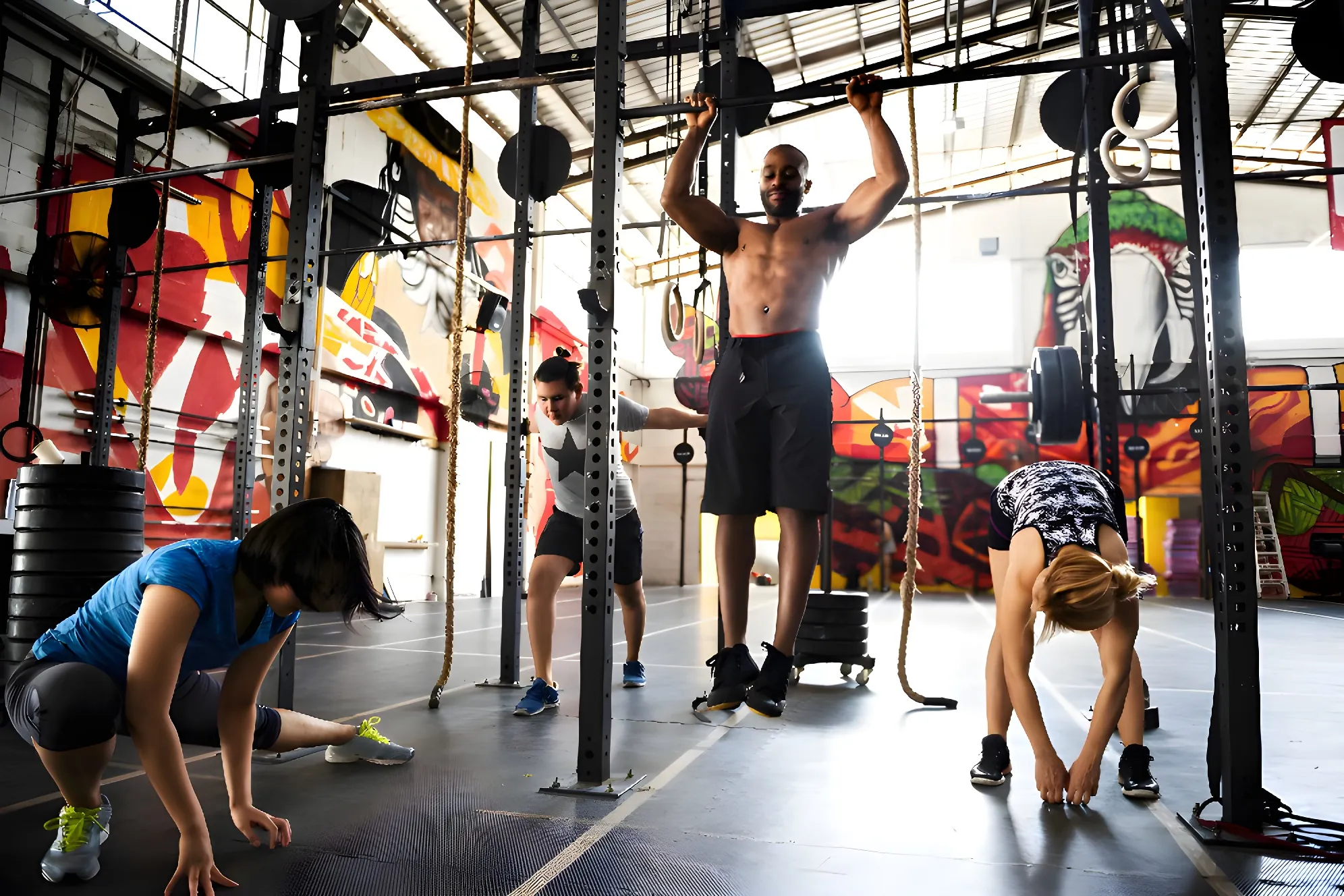
Why the Gym Has Become a Lifestyle Rather Than a Hobby
Discover why going to the gym has become a lifestyle rather than a hobby, from daily routines and mental health to social connections, fitness goals, and personal identity.
For many people, going to the gym is no longer something they do occasionally when they have free time. It has become part of their daily routine, influencing how they eat, sleep, manage stress, spend their money, and organize their schedules. What once felt like a simple hobby has developed into a lifestyle built around health, personal progress, and long-term goals.
Walk into a modern gym, and you will see people following structured workout plans, tracking their progress on their phones, preparing meals around their training schedules, and meeting friends they have made through fitness. For some, the gym is a place to build muscle. For others, it is where they clear their minds after a stressful day or find the motivation to maintain healthier habits.
This change is not happening for just one reason. Social media, growing awareness of physical and mental well-being, the popularity of strength training, and the desire for personal improvement have all contributed to the evolution of gym culture.
So, why has the gym become a lifestyle rather than a hobby? The answer lies in how exercise has started to influence almost every part of modern life.
The Shift From Occasional Exercise to a Daily Routine
A hobby is often something people do when they have spare time. They might play a sport on the weekend, go swimming during the summer, or visit the gym whenever their schedule allows. A fitness lifestyle works differently because exercise becomes a planned part of the week rather than an occasional activity.
Someone who treats the gym as a lifestyle might train before work three mornings a week, prepare meals in advance, and set aside time for recovery. Their routine does not necessarily revolve around exercise all day, but fitness becomes one of the factors that shape their decisions.
Consider someone who finishes work at 6 p.m. Before developing a consistent workout habit, they might spend the evening watching television or scrolling through social media. After deciding to take fitness seriously, they begin visiting the gym on Monday, Wednesday, and Friday. Over time, those sessions become as familiar as eating dinner or getting ready for work.
The important change is consistency. Instead of asking whether they feel like exercising every day, they begin treating their scheduled workouts as commitments.
This does not mean that every person needs to train five or six days a week. A sustainable fitness lifestyle can include two or three well-planned sessions, regular walks, adequate sleep, and occasional rest days. What matters is creating habits that can be maintained over the long term.
Fitness Has Become Part of Personal Identity
One reason the gym has become more than a hobby is that people increasingly connect fitness with how they see themselves.
Someone might initially start lifting weights to lose weight, improve their appearance, or prepare for a holiday. After several months, however, their motivation may change. They begin to see themselves as someone who values discipline, strength, and personal development.
This shift in identity can influence behavior. A person who identifies as active may be more likely to choose a walk instead of spending the entire evening sitting down. Someone who enjoys strength training may begin learning about proper technique, recovery, and nutrition because these subjects have become relevant to their interests.
Fitness can also provide a sense of achievement. Progress is not always dramatic, but small improvements can be meaningful. Completing a workout after a difficult day, learning to perform an exercise correctly, or gradually increasing the weight on a barbell can reinforce the feeling that personal effort produces results.
However, a fitness identity should remain flexible. Missing a workout does not make someone lazy, and taking a break does not erase previous progress. The healthiest approach is to view exercise as a valuable part of life rather than the only measure of personal worth.
The Connection Between Physical and Mental Well-Being
For many gym members, physical appearance is only one part of the experience. Exercise can also become a practical way to manage everyday stress and support mental well-being.
Work deadlines, financial responsibilities, family commitments, and constant digital notifications can make modern life mentally demanding. A workout provides a dedicated period in which people can focus on something concrete. Instead of thinking about unfinished tasks, they concentrate on their breathing, movements, repetitions, and training goals.
Regular physical activity is associated with several mental health benefits, including reduced feelings of stress and improvements in mood for many people. Exercise can also support sleep quality and general well-being, although individual experiences vary.
Imagine someone who spends eight hours a day working at a computer. By the end of the afternoon, they may feel mentally exhausted and physically inactive. A 45-minute gym session gives them an opportunity to move, change their environment, and direct their attention toward something outside work.
Over time, this routine can become an important part of their emotional balance.
The gym is not a replacement for professional mental health care when it is needed, but it can be a useful component of a broader self-care routine. For many people, the mental benefits are one of the main reasons they continue exercising long after their original physical goal has changed.
Social Media Has Changed the Way People View Fitness
Social media has played a major role in turning gym culture into a lifestyle. Fitness content is now widely available through platforms such as Instagram, TikTok, and YouTube, where creators share workout routines, meal preparation, transformation stories, exercise demonstrations, and daily gym habits.
In the past, someone interested in weight training might have relied on a personal trainer, a fitness magazine, or advice from an experienced friend. Today, they can watch a demonstration of a squat, learn about progressive overload, or follow a complete beginner workout without leaving home.
This accessibility has helped introduce more people to fitness. Online communities can also provide motivation, especially for beginners who feel uncertain about entering a gym for the first time.
At the same time, social media can create unrealistic expectations. Transformation photographs often show the most dramatic results rather than the ordinary weeks and months of gradual progress. Influencers may also present highly structured routines that are difficult to maintain alongside a full-time job, family responsibilities, or a limited budget.
Another issue is the pressure to make fitness look impressive. A workout can be valuable even when it is not filmed, posted, or shared with anyone.
The best way to use social media is to treat it as a source of ideas rather than a standard against which to judge yourself. A routine should be evaluated by how well it supports your goals, not by how popular it looks online.
Nutrition Has Become Part of the Fitness Lifestyle
When people begin training consistently, they often become more interested in what they eat. This is a natural development because nutrition can influence energy levels, workout performance, recovery, and overall health.
For someone who initially visits the gym twice a week, learning about nutrition might begin with a simple question: What should I eat before exercising? Later, they may start planning meals, paying more attention to protein intake, or choosing foods that help them feel energized throughout the day.
For example, a person who trains after work might bring a balanced lunch and a snack to avoid arriving at the gym feeling exhausted. Someone who exercises in the morning may prefer a light breakfast before training or a more substantial meal afterward, depending on their comfort and schedule.
These decisions do not need to become complicated. A balanced diet that includes vegetables, fruit, whole grains, suitable protein sources, healthy fats, and adequate fluids can support an active lifestyle.
Problems arise when healthy eating turns into unnecessary restriction. Fitness content sometimes promotes rigid meal plans, extreme calorie targets, or the idea that certain foods must always be avoided. Such approaches are not necessary for most people and can make everyday life more stressful.
A sustainable fitness lifestyle leaves room for flexibility. Eating with friends, enjoying a favorite dessert, or changing a meal plan occasionally does not cancel the benefits of regular exercise.
Gym Culture Has Created New Social Communities
Although many people train alone, the gym can also become an important social environment.
Regular attendance means seeing familiar faces, recognizing the same trainers, and sometimes developing friendships with people who share similar goals. A brief conversation between sets can gradually turn into a supportive relationship.
Group classes offer another way to build connections. People attending a cycling session, strength class, or functional training workout often share the experience of learning something challenging together. This sense of participation can make exercise more enjoyable.
Training partners can also help people remain consistent. If two friends agree to meet at the gym after work, each has a reason to show up even on days when motivation is low. They can exchange advice, celebrate progress, and encourage each other when a workout feels difficult.
These connections help explain why some people continue going to the gym even after reaching their original fitness goals. The gym becomes a familiar place where they feel comfortable and connected to a community.
Nevertheless, social interaction is not essential for everyone. Some people prefer headphones, quiet training sessions, and minimal conversation. Gym culture can accommodate both approaches, provided members respect each other's space and follow basic etiquette.
Personal Progress Makes Fitness More Rewarding
Another reason the gym becomes a lifestyle is that progress can be measured in many different ways.
At the beginning, a person might focus entirely on appearance or body weight. As they gain experience, they may discover other meaningful indicators of improvement.
These include:
-
Strength: Lifting a weight that previously felt too difficult or performing more repetitions with good technique.
-
Endurance: Completing a longer cardio session without becoming as tired as before.
-
Mobility: Finding it easier to perform everyday movements or exercise with a more comfortable range of motion.
-
Consistency: Following a realistic training schedule for several weeks or months.
-
Recovery: Learning to balance challenging workouts with rest, sleep, and adequate nutrition.
-
Daily energy: Noticing that regular movement helps make everyday activities feel more manageable.
For example, a beginner might struggle to complete three sets of an exercise using light dumbbells. After several weeks of appropriate training, they may perform the same movement with better control and less difficulty. That improvement can be motivating even if their physical appearance has not changed significantly.
Fitness is rarely a perfectly straight line. Progress can slow down, schedules can become unpredictable, and periods of illness or stress may interrupt training. A lifestyle approach helps people understand that temporary setbacks are normal rather than reasons to give up.
The Influence of Wearable Technology and Fitness Apps
Technology has made it easier for people to integrate exercise into their everyday lives. Smartwatches, fitness trackers, workout apps, and online training platforms allow users to monitor activity and organize their routines.
A smartwatch might remind someone to stand after a long period of sitting. A training app can record exercises, sets, repetitions, and weights. A running application can track distance and pace, while a sleep tracker may help users recognize patterns in their nightly rest.
These tools can make progress more visible. Instead of relying entirely on memory, a gym member can look back at previous workouts and identify improvements.
Technology can also help people train independently. Beginners can use instructional videos to understand exercise movements, while more experienced users may prefer detailed training logs to manage their programs.
However, data should remain a tool rather than a source of pressure. Daily activity levels naturally fluctuate, and wearable devices cannot capture every aspect of health or recovery accurately. A low step count on a busy day does not mean the day was unsuccessful.
The purpose of technology is to make healthy habits easier to manage, not to turn every movement into a competition.
Fitness Is Becoming More Accessible and Diverse
The modern fitness lifestyle is not limited to bodybuilders, athletes, or people who can afford expensive memberships.
Gyms now serve people with different ages, abilities, budgets, and objectives. Some members want to improve strength, while others focus on cardiovascular fitness, maintaining mobility, managing weight, or staying active as they get older.
There are also more ways to exercise outside traditional gyms. Bodyweight workouts at home, outdoor calisthenics parks, walking groups, community sports, and online classes can provide alternatives for people who do not have access to a fitness center.
This diversity challenges the idea that fitness must involve expensive equipment or a particular body type.
A person who walks regularly, performs resistance exercises at home, and participates in recreational sports may have a very active lifestyle without visiting a commercial gym. Likewise, someone who attends a gym twice a week can develop valuable habits without following an intensive bodybuilding program.
The broader movement toward fitness as a lifestyle is most useful when it encourages people to find realistic ways to move more, rather than making them feel that there is only one correct way to exercise.
The Financial Side of Making the Gym a Lifestyle
When fitness becomes a regular part of life, it can influence how people spend their money. Gym memberships, training clothes, shoes, supplements, fitness technology, and personal training sessions may become part of a monthly budget.
For some people, these expenses are worthwhile because they make exercise more convenient or enjoyable. Others may find that the costs become difficult to manage, particularly when they feel pressured to purchase every product promoted by fitness creators.
A sustainable routine does not require buying everything associated with gym culture.
A basic membership, comfortable clothing, suitable footwear, and a well-planned workout can be enough for many beginners. Personal training may be useful for learning technique or addressing specific goals, but not everyone needs ongoing one-to-one coaching.
Before paying for a membership, consider how often you are realistically likely to attend, whether the location is convenient, and which facilities you will actually use. A less expensive gym near home may be more valuable than a premium club that takes an hour to reach.
The same principle applies to equipment and supplements. Products should solve a genuine need rather than create the impression that spending more automatically produces better results.
Fitness should improve quality of life without placing unnecessary financial pressure on it.
Can Turning the Gym Into a Lifestyle Go Too Far?
Although a consistent fitness routine can be beneficial, treating the gym as the center of every decision can create problems.
Some people become anxious when they miss a workout, feel guilty after eating certain foods, or continue training despite pain and exhaustion. Others sacrifice sleep, relationships, or important responsibilities because they believe that every session must be completed regardless of circumstances.
These behaviors are different from healthy commitment.
Rest days are an important part of a training program because the body needs time to recover from physical stress. Taking a break when ill, adjusting a workout during a demanding week, or changing a plan because of an injury can be responsible decisions rather than signs of weakness.
It is also important to maintain balance outside the gym. Work, friendships, family, hobbies, and relaxation remain valuable parts of a fulfilling life.
A useful question to ask is whether fitness is making everyday life better. If exercise helps you feel stronger, more confident, and more energetic, it is probably serving a positive purpose. If it consistently creates fear, guilt, or conflict, it may be time to reconsider your routine and seek professional support when necessary.
The goal is not to build a life in which every activity revolves around exercise. It is to make physical activity a reliable habit that supports the rest of your life.
How to Build a Sustainable Fitness Lifestyle
You do not need to change your entire routine overnight to make the gym a regular part of your life. Small, repeatable decisions are often easier to maintain than dramatic changes.
1. Start With a Realistic Schedule
Choose training days that fit your existing responsibilities. If you work long hours, three short sessions each week may be more practical than planning to train every day.
A routine you can follow consistently is more useful than an ambitious schedule that quickly becomes overwhelming.
2. Set Goals Beyond Appearance
Consider what you want exercise to help you achieve. You might want to become stronger, improve stamina, feel less sedentary, or complete a recreational sporting event.
Specific goals give your workouts direction and help you recognize progress that cannot be measured on a scale.
3. Make Preparation Easier
Pack your gym bag the night before, choose a convenient training location, and decide which exercises you will perform before arriving.
Reducing small obstacles can make it easier to exercise when motivation is limited.
4. Learn the Basics of Recovery
Make time for sleep, rest days, and appropriate nutrition. More training is not automatically better, especially when your body is not recovering adequately.
If you experience persistent pain or unusual symptoms during exercise, stop the activity and seek appropriate medical advice.
5. Avoid Comparing Your Routine With Everyone Else's
Your schedule, experience, finances, and physical abilities may be completely different from those of someone you follow online.
Use other people's experiences for inspiration, but choose a program that fits your own circumstances.
6. Allow Your Routine to Change
Your fitness needs may change as your job, family responsibilities, interests, or physical abilities change. A flexible routine can adapt to those circumstances without abandoning exercise altogether.
Building a fitness lifestyle is not about following the same schedule perfectly forever. It is about finding ways to remain active through different stages of life.
What's Your Reaction?